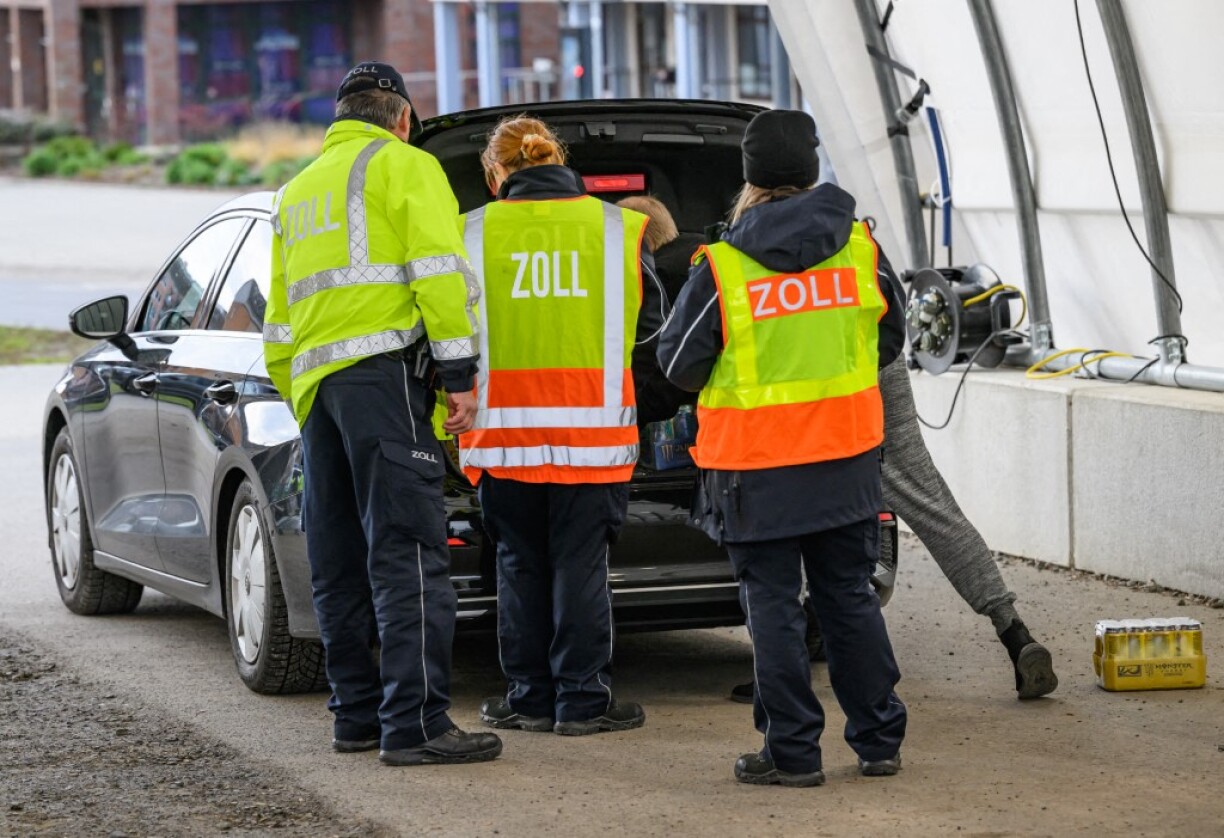
German customs officers conducted a checkpoint on the border between Remich and Nennig on Tuesday evening to monitor what motorists are transporting across from Luxembourg. With fuel prices in the Grand Duchy remaining significantly lower than in neighbouring countries, the checks focused on the legal limits for goods commonly bought in bulk.
The operation targeted the maximum allowed quantities of alcohol, cigarettes, and cash, as well as additional fuel carried in canisters. Under current rules, motorists may transport up to 20 litres of fuel in a reserve canister without facing additional taxes. However, authorities stress that the fuel must correspond to the vehicle’s engine. Drivers of petrol cars are thus prohibited from carrying diesel, and vice versa.
The incentive for cross-border fuel purchases is clear. A litre of 95-octane petrol currently costs €1.567 in Luxembourg, compared to €1.94 in the German town of Merzig. This price gap means filling a typical 50-litre tank in Luxembourg costs €78.35, representing a saving of nearly €20 compared to the €97 it would cost in Merzig. For many German residents living near the border, the short journey to Luxembourg remains a worthwhile trip to cut costs.
Motorists who exceed the 20-litre limit for additional fuel are required to pay an energy tax, usually on the spot. If the excess is substantial, they may also face a penalty tax.
According to the Saarbrücken customs authority, Tuesday evening’s check did not result in any recorded infractions. Two individuals were found to be carrying an extra 20-litre canister alongside the permitted amount, but they voluntarily disclosed the fuel during the inspection and paid the required taxes immediately. As a result, the incidents were not classified as offences.
The customs authority’s press service did not disclose the total number of motorists stopped during the operation but confirmed that such mobile checks are carried out regularly to monitor the cross-border exchange of goods.





