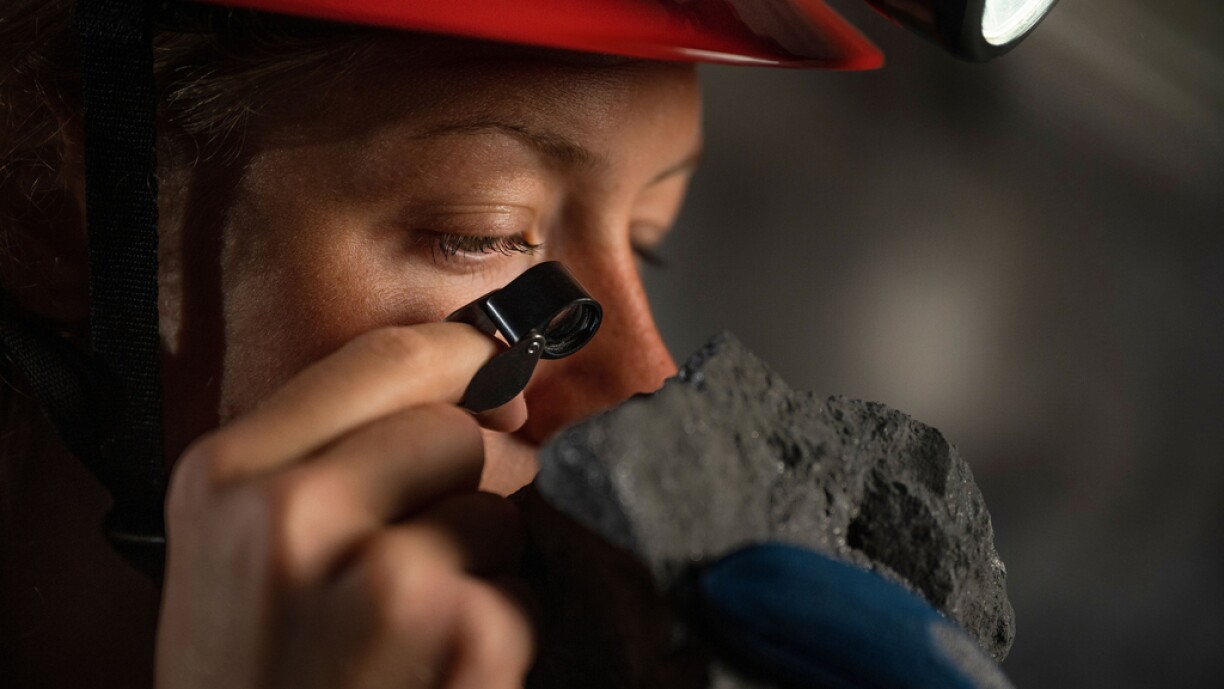
Government-owned Swedish mining company LKAB recently discovered Europe's largest known deposit of rare earth elements in an iron mine in Kiruna. More than one million tonnes of metals were discovered. Current estimations are that excavation work can begin by 2038.
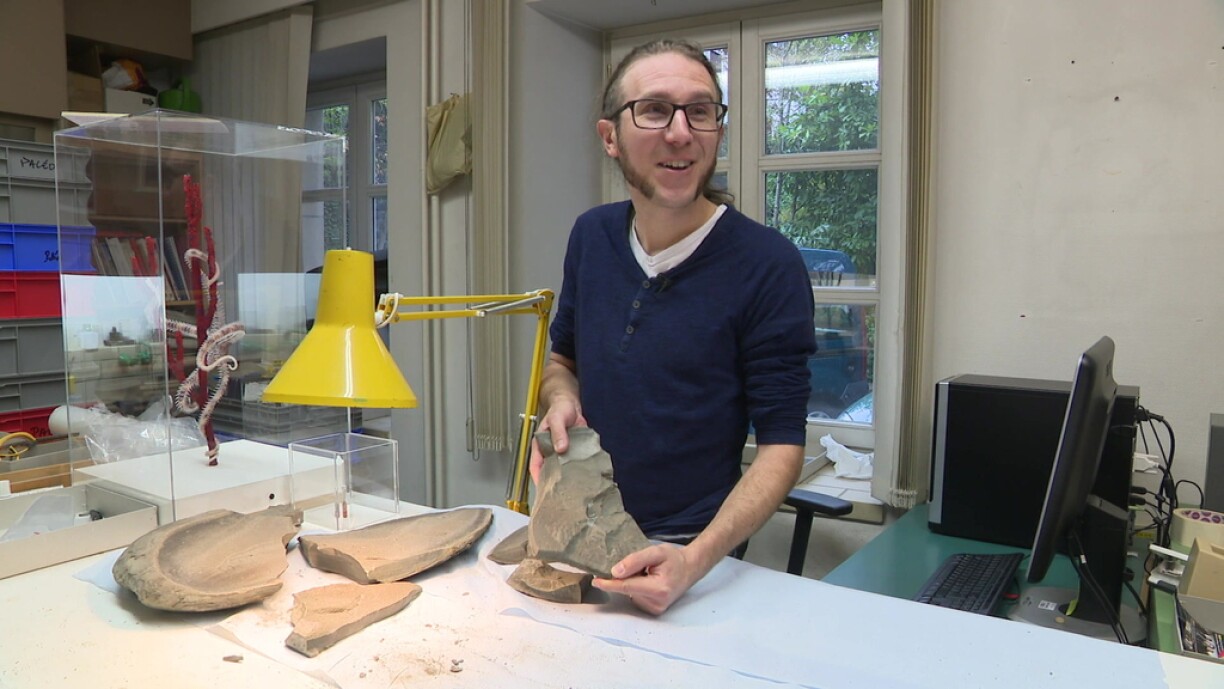
Our colleagues from RTL discussed the news with two Luxembourgish experts. Ben Thuy and Romain Meyer, two geologists, believe that the discovery bodes well for the western world as China has a quasi-monopoly on rare elements, which might now change.
Meyer said: "This is mostly due to the immense value of the rare earth that they found. Whether it be for mobile communication, electric mobility, or electronics in general." Thuy further explained that supply chains will become shorter and that the excavation will be more sustainable thanks to higher social and environmental standards.
According to Thuy, new discoveries are still regularly made in the field of geology: "Technology is constantly evolving and researchers specifically target uncovered areas in our knowledge. Such a discovery is therefore not unlikely in today's day and age, particularly in such great depths."
Thuy elaborated that Scandinavian researchers use very advanced methods. Meyer knows the area well as he taught at the University of Bergen for five years earlier in his career.
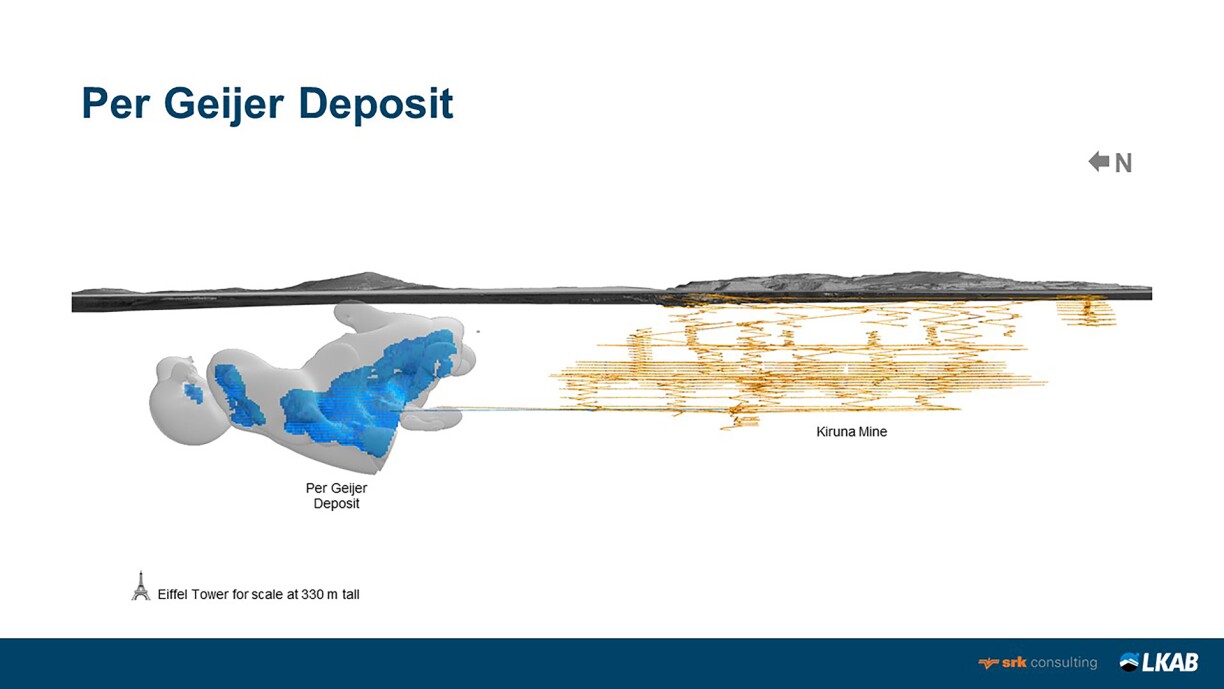
The search for mineable ore has a longstanding tradition in Sweden. According to Meyer, rumours of a major discovery in the country already circulated among local geologists 15 years ago. In the current geopolitical climate, Sweden can now position itself as an important actor and boost its bid for NATO membership.
Thuy, who currently works as a palaeontologist for the Nature Museum, thinks that a major deposit of rare elements in the Grand Duchy is close to impossible. Meyer shares this belief, but still drew attention to one area with potential: "There are other elements that are currently traded at high value. It might be a good moment to revaluate which resources we have here in the country and how they can be used."
Meyer elaborated that the 'Mining Basin' is the largest deposit of iron to have formed on the planet in the last 500 million years, which is not to be underestimated in terms of geological value.
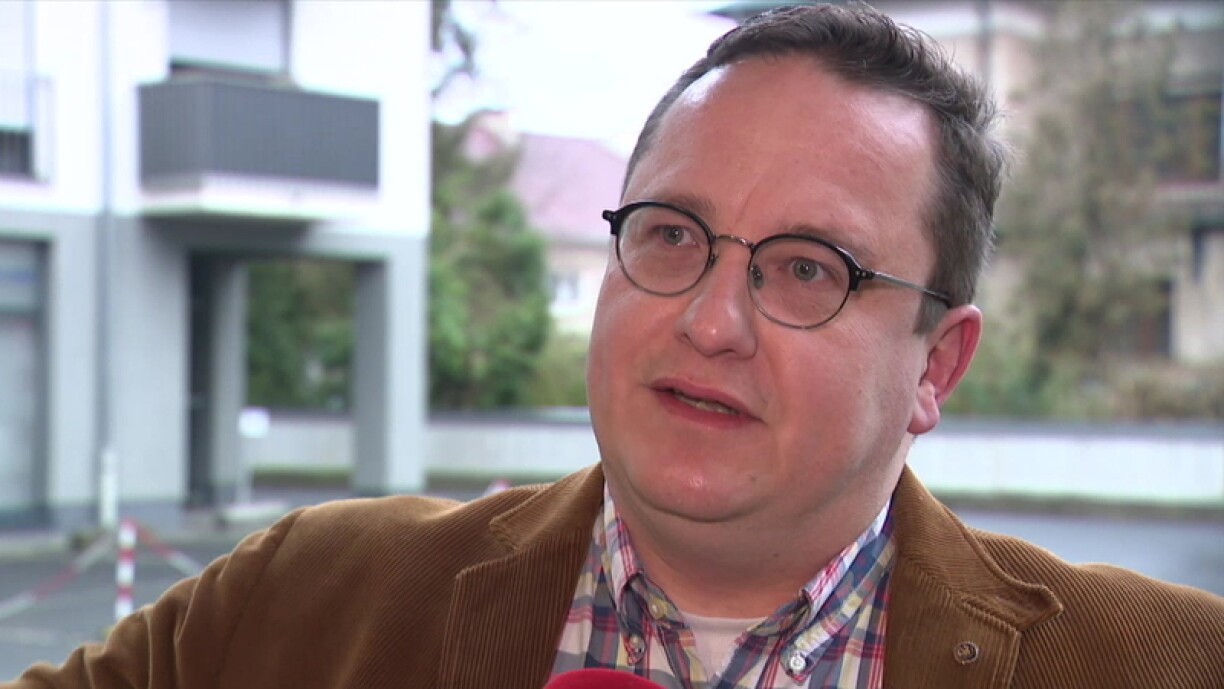
Meyer wrote his thesis on rare metals in oceans, wich are thought to have the largest deposit of rare elements on Earth. During his spell at the University of Bergen, he helped locate such deposits and says that Norwegian researchers are still actively looking to this day.