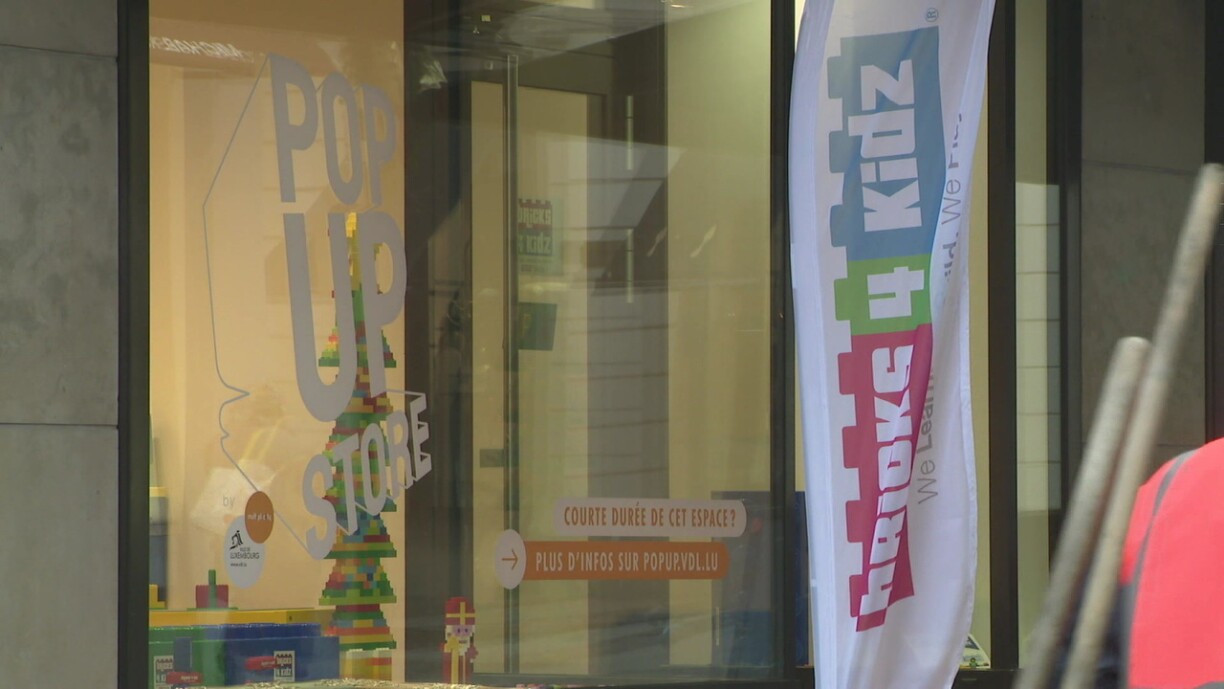
Over the last week, three pop-up shops have officially been inaugurated in the capital of Luxembourg. One of those is a clothing the store, the second is a play space for children, and the third is a gallery. But what moves an entrepreneur to open a shop for just a few months and what are the benefits of this type of retail?
RTL Tele's Vidosava Kuzmic met with the three pop-up store owners to present their concepts and their motivations.
Dan Gantrel's career path could be described as a transformation from skater to an entrepreneur. Not unknown in the skating world, the then-24 year old took over the management of a skate shop in 2010. After presiding over the growth of the shop, he opened a second store in 2014, this time focusing on sneakers and streetwear. Gantrel's motto is always to offer customers something new, remaining close to his core purpose of constantly developing.
The entrepreneur describes his MO as innovation, adding that a shop remaining the same for ten year risks customers becoming bored and losing the buying experience. Gantrel's pop-up shop opened on Black Friday and will close its doors on 18 January. He says he has long had the idea to open a pop-up store as a way to offer 'extra unique' products. After all, Gantrel adds, what is the point of making the pop-up store identical to other shops?
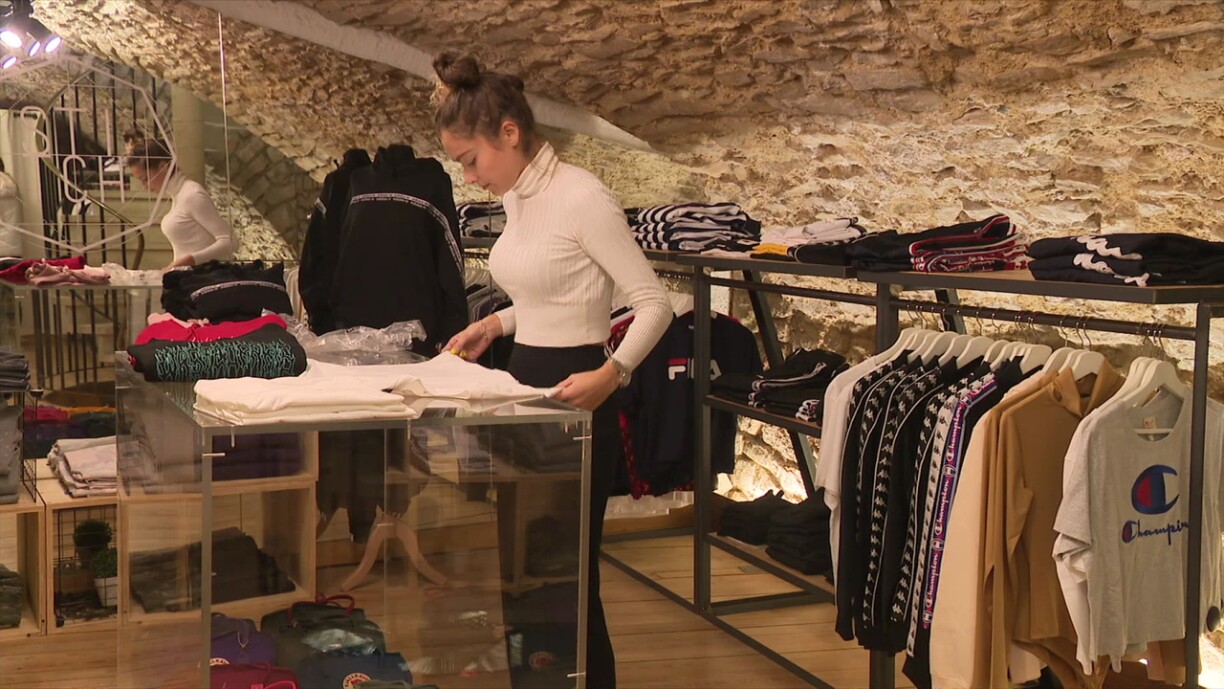
In that sense, Gantrel's vision for the pop-up includes a small skate ramp, to let customers skate and test boards. But pop-ups are not only designed for clothing shops, as a similar pop-up on Grand-Rue shows.
As of mid-November, the artisan association "De Mains de Maîtres", which promotes Luxembourgish craftsmanship, has had a pop-up gallery. Ordinarily, the association only holds its exhibition every two years, which makes the pop-up gallery an excellent space and opportunity to present work outside of the Biennale.
Jean-Marc Dimanche adds that, as the association is a non-profit, their purpose is not to turn a financial profit, which makes affording a permanent gallery space impossible. This is where a pop-up gallery comes in, as the association was able to use the premises for free. Previously, the retail unit had been standing empty on one of the city centre's most important retail streets.
As with many other issues, timing is everything when it comes to opening up a temporary shop. From a marketing perspective, the best time to launch a new retail unit is during the pre-Christmas period. In Dimanche's experience of the gallery, the entire concept is a pilot project to examine how artists and customers react to such a gallery. This leaves room to explore whether the association could open a permanent gallery, which nevertheless depends on special conditions. Dimanche adds that normal rent costs make this unobtainable.
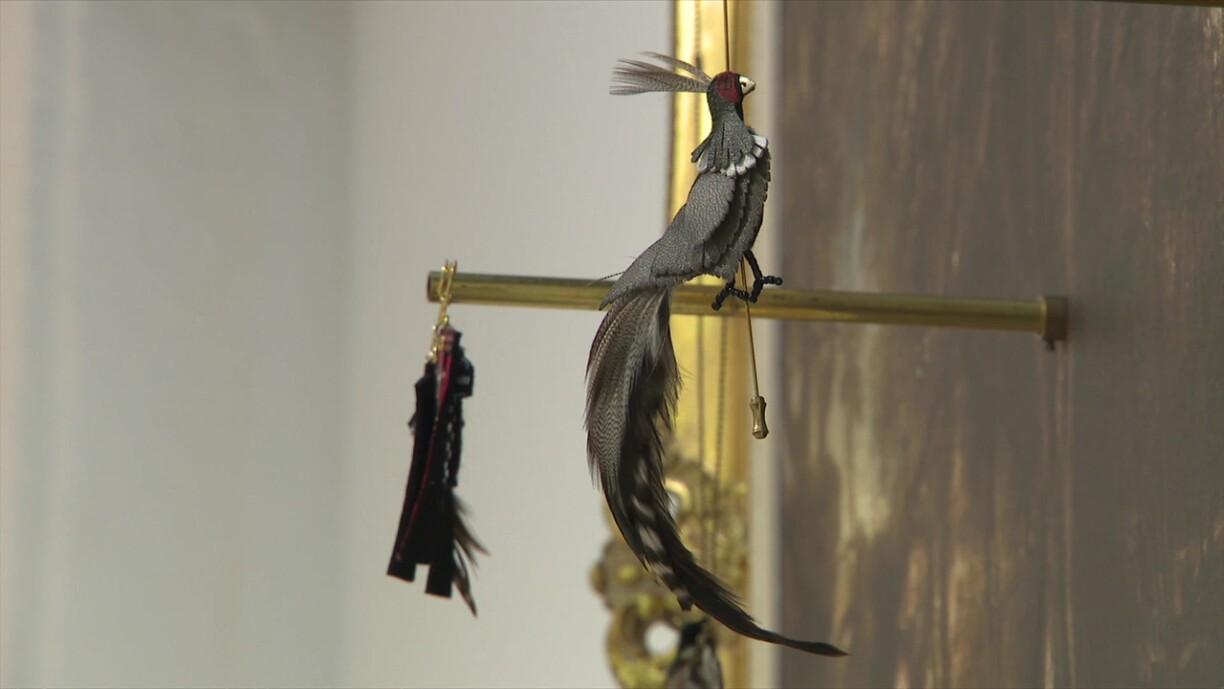
This is where the City of Luxembourg gets involved. The authorities are renting out the premises on Rue Philippe II for pop-up stores, placing a special emphasis on young entrepreneurs who have yet to breach the city centre's market. The city authorities adapt the rent to the entrepreneur's situation, making rent vary from €650 to €2,250 a month. As the alderman in charge of retail, Serge Wilmes, explains, the purpose is to revive commerce, support young entrepreneurs, and ensure the retail offer in the capital remains diverse.
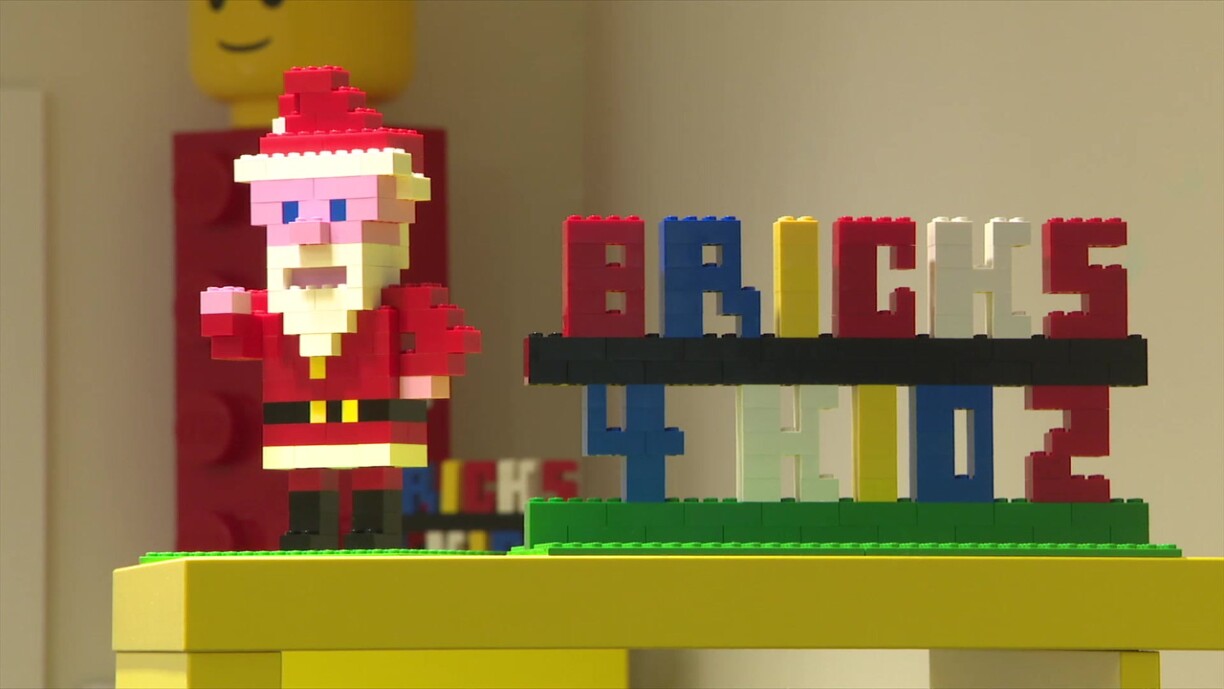
For the two pop-ups, the VdL has selected the Japanese clothing store 'Botari' and the 'Bricks4Kidz' project. The latter is a project founded in 2017 by Antonio and Monica Carvalho and revolves around paedagogical activities using Lego bricks. The goal is to allow learning via playing.
Up until recently, the duo have had to run their project as a mobile initiative, travelling to childcare centres or schools. But the pop-up allows them to fulfil their wish of creating a creative centre. Like 'Botari', the Carvalhos will remain onsite until the end of April 2020.
A week after opening, the two are very satisfied with the experience. Antonio explains that the key location in the pedestrian zone means there is a large amount of footfall, and many curious people have popped their heads in. For Antonio and Monica, the long-term goal is to remain in the city centre, even once they leave the pop-up premises. The duo hope that the city authorities will provide support in offering affordable rent. On the side of the municipal council, there is already much thought into making this possible.
Wilmes highlights that the purpose is to allow new entrepreneurs to use the pop-up space, but if one business is especially successful, this leads to the question of how to continue. After a time, the city authorities will examine the results of the initiative and move to considering how to continue in other neighbourhoods. In that sense, the City of Luxembourg wants to be an example to others and the authorities are thrilled at initiatives created on the private market, like Gantrel's shop.
As for the future of Gantrel's premises, the entrepreneur already has a plan, namely that Olliewood will move into the premises permanently. After offering something new, a pop-up space can also then become a permanent home to a new business.





