
Here are five things you should know at the end of this week:


The STATEC has confirmed that the upcoming wage indexation will be implemented on 1 September 2023, leading to a 2.5% increase in salaries and pensions the following month.
Date confirmed - The National Institute of Statistics and Economic Studies (STATEC) recently resolved the uncertainty surrounding the timing of the next wage indexation. Initially, there had been speculation about whether this adjustment would take place in September or be postponed to October.
However, STATEC's announcement on Wednesday confirmed that the indexation will occur on 1 September 2023. As a result of this implementation, both salaries and pensions will experience a 2.5% increase starting from the subsequent month. This decision should bring a level of clarity and relief to employees and pensioners who had been awaiting this news.
2024 forecast - Looking beyond the immediate term, the STATEC has also indicated that the next wage indexation is projected for the third quarter of 2024.
While the specifics have not been detailed, the forecasted timing gives businesses, employees, and pensioners an idea of when to expect the next adjustment. This advanced notice can aid in financial planning and budgetary considerations for all parties involved.
Overall inflation - The STATEC's economic outlook for inflation remains consistent with its previous forecasts. The institution anticipates that inflation will average out at 3.9% for the current year of 2023.
However, they expect this rate to decrease to 2.5% for the year 2024. This prediction can be crucial for policymakers and financial institutions as they make decisions based on inflationary expectations. The anticipated decrease in the inflation rate could signify a stabilization of the economy, which could in turn affect interest rates and other economic measures.
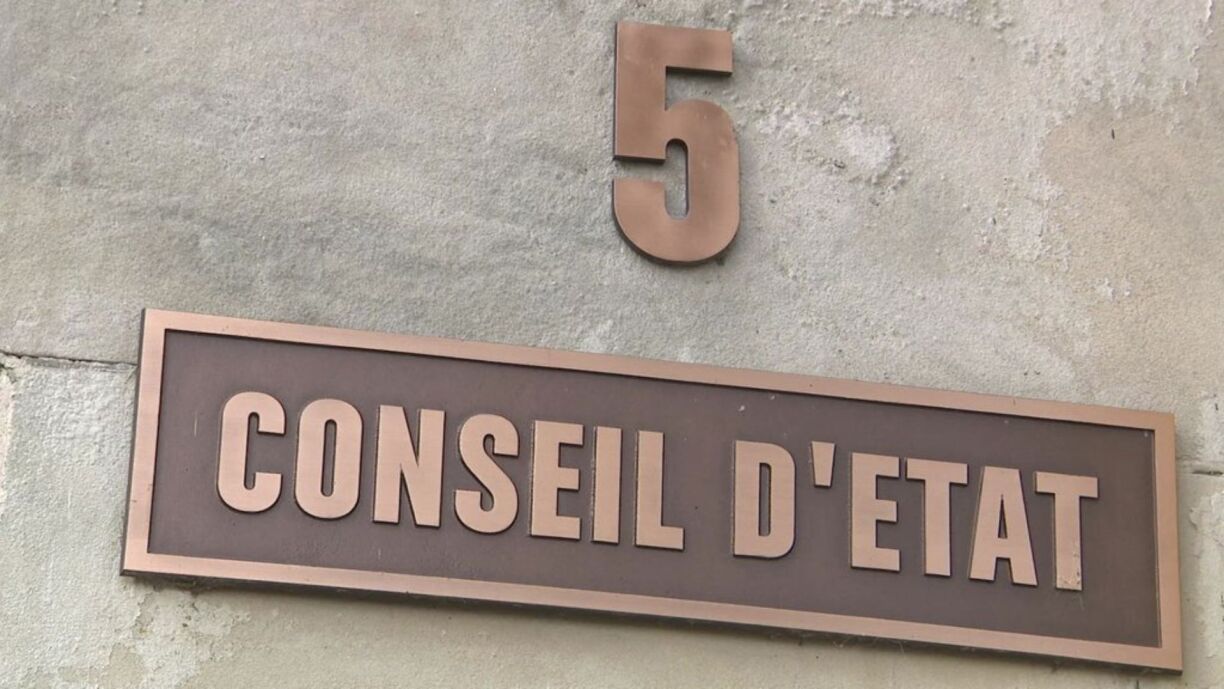
The Ethics Committee is investigating Lucien Lux, a member of the State Council, for allegedly sharing confidential legislative project information with businessman Flavio Becca prior to an official vote.
Lucien Lux, a former minister from the Luxembourg Socialist Workers' Party (LSAP), has admitted to the mistake, claiming it was due to confusion over a virtual vote conducted via email.
The Left Party (déi Lénk) has criticized the incident as an example of "cronyism" and conflicts of interest, calling for the abolition of the Council of State in its current form.
Investigation launched - The Ethics Committee is actively investigating an incident involving State Council member Lucien Lux, who reportedly shared sensitive details about a legislative project with businessman Flavio Becca before an official vote took place.
The committee, composed of external experts like former judge Marie Paule Engel, is tasked with making a decision that could range from issuing a caution to recommending Lux's removal from the Council.
Supposed confusion - Lucien Lux, a former LSAP minister, has openly admitted to making the mistake of sharing confidential information. He attributed the incident to confusion arising from a virtual vote conducted via email, assuming the vote was scheduled for the following day.
Lux also mentioned that he had informed the Council about his advisory relationship with Becca ten years ago and had committed to abstaining from opinions on construction or housing matters.
Denounced by The Left - In response to the scandal, the Left Party (déi Lénk) held a press conference denouncing what they see as inherent conflicts of interest and "cronyism" within the Council of State. They argue that this incident is indicative of larger, systemic issues, and as such, are calling for the abolition of the Council of State in its existing form.
Their position adds a layer of political complexity to the ongoing ethical investigation, possibly fueling debates about the Council's overall structure and governance.
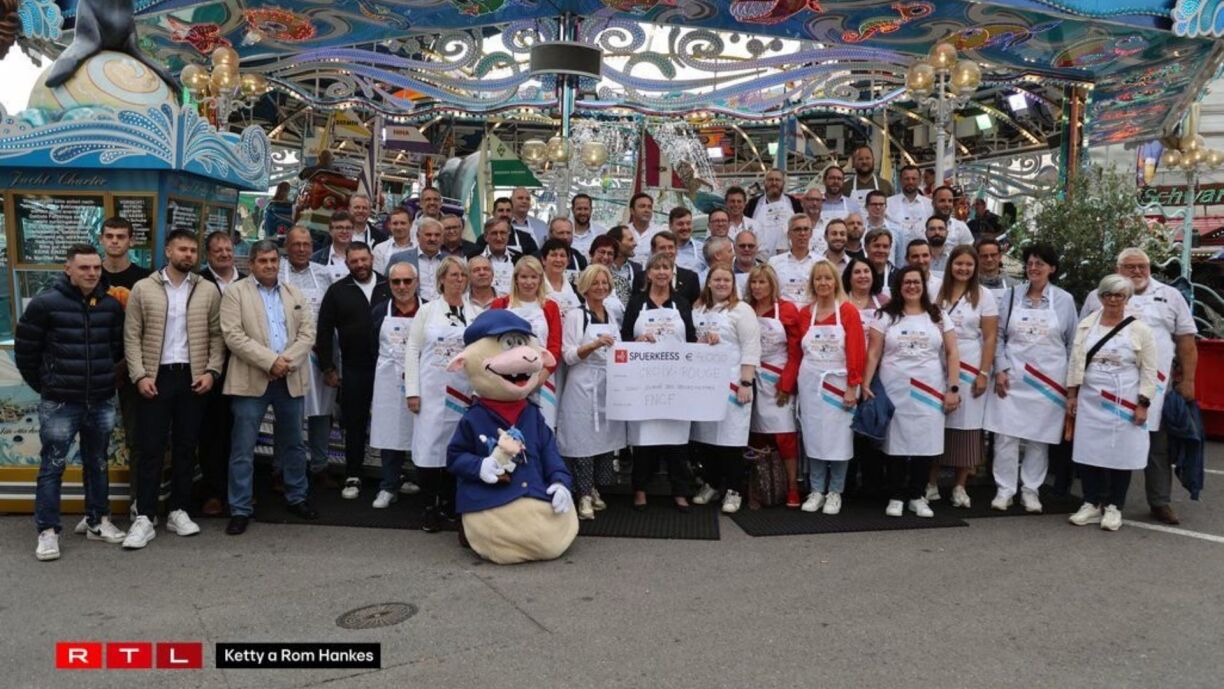
On Mayors' Day at the Schueberfouer fair, 55 mayors served customers at restaurants from 7pm to 10pm to raise funds for the Luxembourg Red Cross.
The salaries that the mayors would have earned during the event will be fully donated to the charitable organization.
Iconic German singer Oli P. performed at the Fouer that day, adding to the overall excitement and drawing a large crowd.
Annual tradition - The Schueberfouer celebrated the traditional Mayors' Day with 55 mayors donning aprons instead of suits to serve customers at various restaurants. Convening at the fair's entry at 5pm for a site tour, the mayors then took up roles as service staff from 7pm to 10pm.
This unconventional but heartwarming engagement served as a fundraising event for the Luxembourg Red Cross, turning a festive occasion into an opportunity for social good.
Charitable event - The mayors committed to donating what would have been their salaries for the three hours spent serving the public at the restaurants. This amount will go directly to the Luxembourg Red Cross, aiding them in their various humanitarian efforts.
Live entertainment - The night was not just about charity and governance coming together, there was also ample entertainment to ensure a lively atmosphere. German singer Oli P. took the stage at the infamous 'Stall,' attracting a large and enthusiastic crowd. His performance added a layer of excitement and entertainment to the event, making it an unforgettable evening for all in attendance.
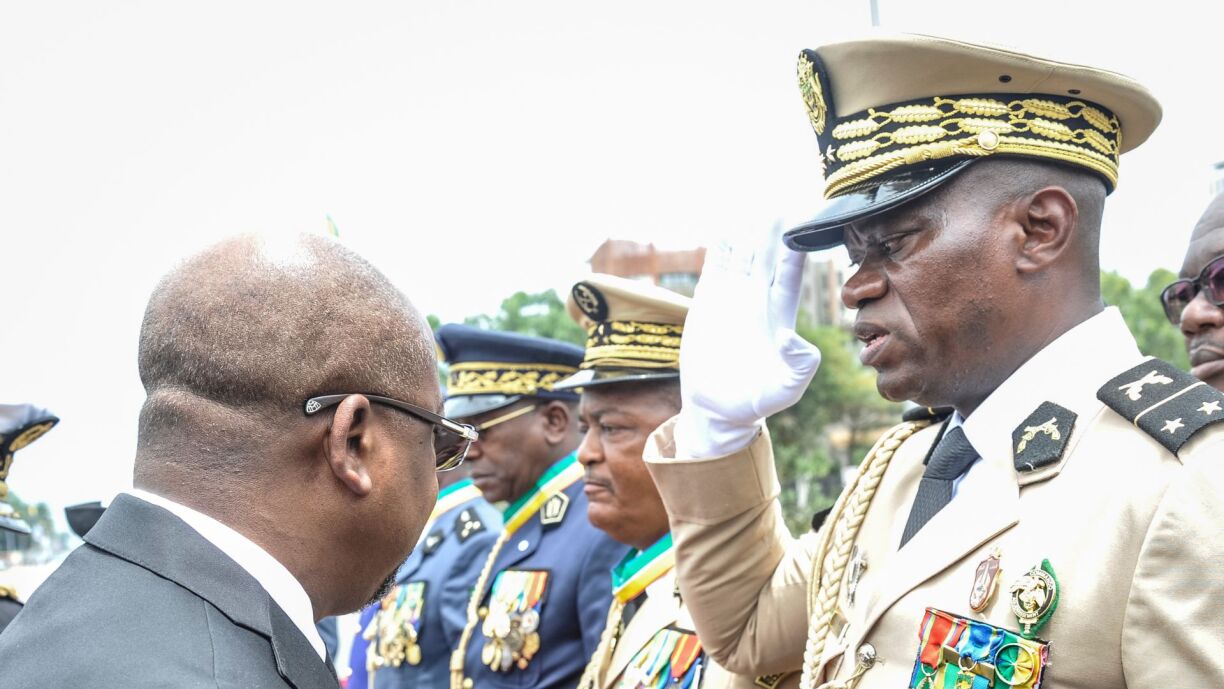
General Brice Oligui Nguema, who overthrew Gabon's long-standing Bongo dynasty, is set to be sworn in as transitional president amid opposition calls for election results to be honoured.
The African Union has suspended Gabon and condemned the military coup, while opposition leader Albert Ondo Ossa claims the Bongo family still controls power through General Nguema, a cousin of the ousted president Ali Bongo.
International reactions are mixed, with some condemning the military takeover while others, including the European Union and the US, express concerns over election irregularities and lack of transparency.
Contented transition - The overthrow of Gabon's Bongo dynasty, which had been in power for 55 years, marks a seismic shift in the country's political landscape. General Brice Oligui Nguema, the head of the elite Republican Guard, is set to take over as transitional president.
However, his rise to power has not been without controversy. Gabon's opposition Alternance 2023 alliance has called on the military regime to acknowledge its victory in the recent elections, suggesting that the transition is far from universally accepted.
African Union reacts - The African Union's response to the coup has been swift and decisive, immediately suspending Gabon and calling for the restoration of constitutional order.
Opposition leader Albert Ondo Ossa further complicates the narrative by claiming that the Bongo family still wields influence behind the scenes, since General Nguema is a cousin of the deposed president, Ali Bongo. Ondo Ossa termed the events not as a coup but as a "palace revolution", arguing that real power remains in the hands of the Bongo family.
EU and US on the fence - Internationally, the coup has received a mixed response. While the African Union and some nations have condemned the military takeover outright, others like the European Union and the United States have nuanced stances.
They express concerns about the electoral process in Gabon, suggesting that it was fraught with irregularities and lacked transparency. EU foreign policy chief Josep Borrell even introduced the term "institutional coup" to describe the flawed civilian election.
Such diverging international views could play a significant role in how the situation in Gabon unfolds, particularly in terms of diplomatic and possibly economic sanctions.
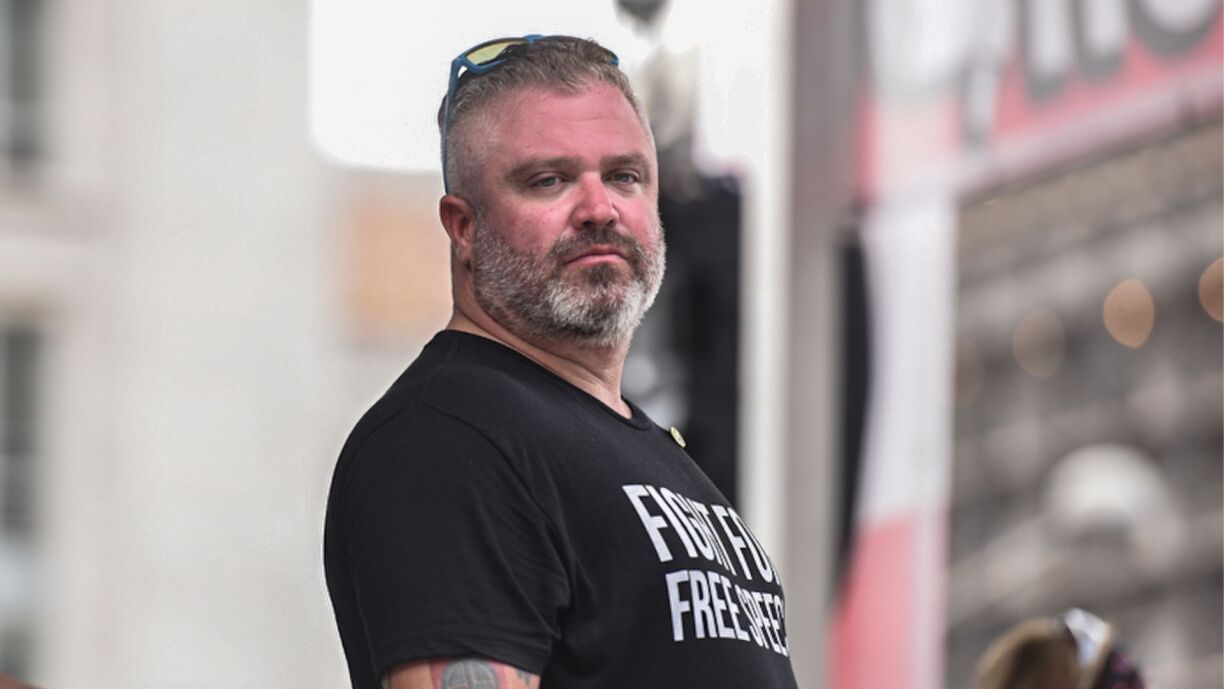
Joe Biggs, a leader of the Proud Boys militia, was sentenced to 17 years in prison for his role in the January 6 attack on the US Capitol, where he was found guilty of "seditious conspiracy" among other charges.
The sentence is one of the longest for the Capitol attack, second only to an 18-year sentence given to Stewart Rhodes, the founder of the far-right militia Oath Keepers.
Over 1,100 people have been charged in connection to the Capitol attack, and Donald Trump faces separate conspiracy charges for his role in events leading up to the incident.
Proud Boy sentenced - Joe Biggs, a leader in the Proud Boys militia group, was sentenced to 17 years in prison following his involvement in the January 6, 2021, attack on the United States Capitol.
Prosecutors described Biggs as a key figure in a "seditious conspiracy" aimed at overturning the election results that favored Joe Biden. The court found him guilty on multiple charges including obstruction of a congressional proceeding, impeding law enforcement, and destruction of government property.
Prior to sentencing, Biggs expressed regret and vowed to dissociate himself from the Proud Boys.
17 instead of 33 years - The 17-year sentence handed to Biggs is one of the most severe sentences related to the Capitol attack. It falls just short of the 18-year sentence given to Stewart Rhodes, who is the founder of another far-right militia group central to the events of January 6, the Oath Keepers.
Judge Timothy Kelly cited the need for deterrence in his sentencing, stressing that the attack had severely undermined the American tradition of a peaceful transfer of power.
However, the sentence was shorter than the 33 years urged by prosecutors, as Judge Kelly noted that it was not a mass-casualty event and Biggs had not intended to kill anyone.
Thousands charged - The legal fallout from the January 6 Capitol attack is extensive, with more than 1,100 individuals having been charged by the Justice Department. Among those facing legal consequences is former President Donald Trump, who has been charged with separate conspiracy offences relating to his role in the buildup to the attack.
Trump had repeatedly advanced false claims that the election had been stolen from him, which critics argue fomented the conditions for the assault on the Capitol. The attorney for Joe Biggs questioned why Trump had not been charged with sedition, the same crime for which Biggs was convicted, given that Trump arguably encouraged the actions that led to the Capitol breach.
Business & Tech - OpenAI on Monday said it was launching a business version of ChatGPT as its artificial intelligence sensation grapples with declining usership nine months after its historic debut.
Science & Environment - India's Moon rover has confirmed the presence of sulphur on the lunar south pole, the country's space agency said.https://today.rtl.lu/news/world/a/2066108.html
Entertainment - Rap star Eminem has formally asked Republican presidential hopeful Vivek Ramaswamy to stop using his music on the campaign trail, according to a letter made public on Monday.
Travel - Luxair has announced plans to launch a new route to Manchester starting in April 2024, aiming to strengthen connectivity and cater to both business travellers and leisure seekers from the Grand Duchy.
Nutrition - As part of a new Grand Ducal regulation, Luxembourg extends the voluntary use of the 'Nutri-Score' labelling system to bulk food items and canteen menus, providing a more comprehensive guide to food nutrition for consumers.https://today.rtl.lu/news/world/a/2066108.html
Pétrusse valley - The multi-phase ecological restoration of Luxembourg City's Pétrusse valley is nearing the completion of its first two stages, with officials confirming the project's resilience in withstanding the 2021 floods and anticipating full completion by 2026.

Your Weekly Recap is published every Friday at noon. Read earlier versions.





