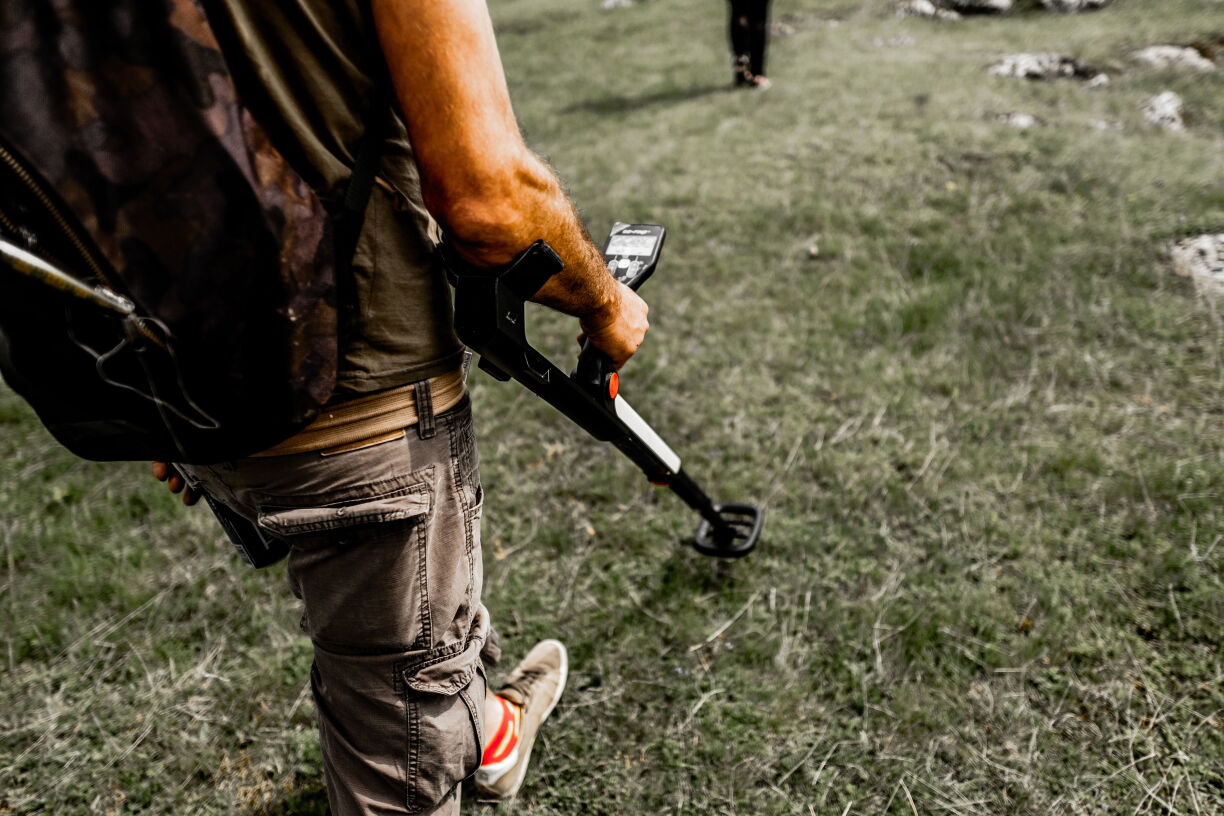
Operating a metal detector or so-called "metal fishing" in Luxembourg is only permitted if you have completed a dedicated training course and obtained an official authorisation from the Ministry of Culture.
This reminder comes from the National Institute for Archaeological Research (INRA), which warns that anyone caught breaking these rules risks facing substantial fines. While lakes, rivers, and soil across Luxembourg may hide a range of items worth discovering, the practice of metal detecting, known here since the 1970s, is carefully regulated.
INRA director David Weis explains that there has been a notable increase in treasure hunting, with many people searching specifically for items to keep or add to their personal collections. However, this kind of activity is not as simple as it might seem. Regulation exists to prevent dangers such as unearthing unexploded war munitions, but also to protect cultural heritage from theft and to avoid negative impacts on heritage documentation.
Some detector users are not even aware that they are breaking the law, many of whom are tourists. Weis points out that metal detecting is especially popular among tourists from the Netherlands, where it is a common beachside hobby.
The legal framework for metal detecting was established in 2022 through a law inspired by a Council of Europe convention. Luxembourg’s rules are less strict than in some neighbouring countries; for example, in France, the activity is almost entirely banned. Nevertheless, private individuals in Luxembourg must obtain authorisation before using a metal detector in any context or location, and this permission can only be requested after completing the mandatory training.
Weis explains that the training, offered yearly in November over two Friday afternoons, is free of charge. Participants are informed about the legal situation, the dangers of unexploded ordnance, especially in certain regions of the country, and receive an introduction to archaeology: what to do when you find an object, the main archaeological periods, and how to report discoveries to INRA.
Each year, around 30 to 40 people take part in this training; however, only about a third go on to request permission to use a metal detector. Weis observes that some people decide not to use a detector after completing the course, realising it’s not for them, while others go ahead and use one illegally. He adds that despite being aware that illegal use still occurs, statistics show it has decreased in recent years.
Using a metal detector without proper authorisation can result in severe penalties, with fines ranging from €500 up to €1,000,000, depending on the offence.
When INRA is notified of a suspected illegal case, the file is referred directly to the police for investigation. Finally, Weis is concerned about the sale of metal detectors specifically marketed for children. Minors are not eligible for the training, cannot apply for authorisation, and are therefore not permitted to use metal detectors at all.





