The main takeaways from the preparatory talks for the tripartite meeting were the risk of a recession this year, and the potential for three wage indexation adjustments before September 2027, if the Strait of Hormuz remains closed for another three months. Although there is the chance things could become even darker, this is the current worst-case scenario.
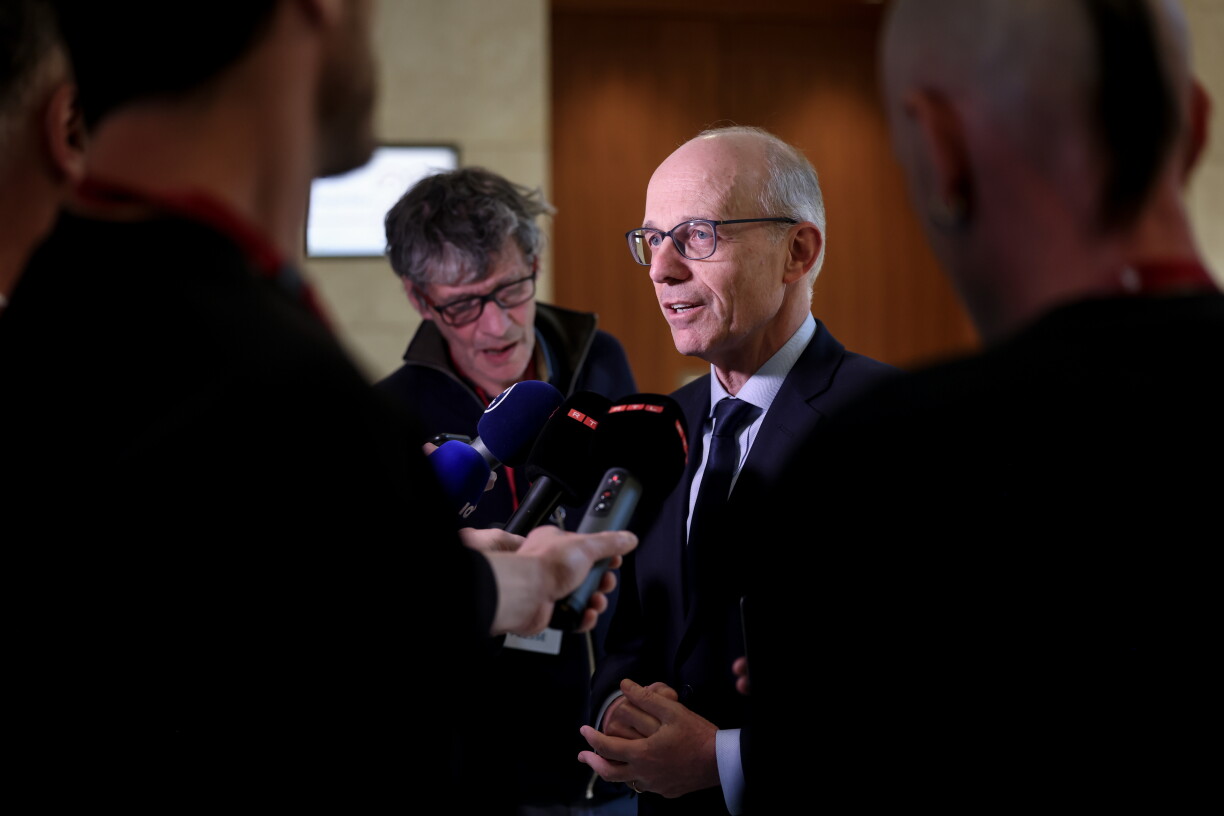
The National Institute for Statistics and Economic Studies (STATEC) and Energy Commissioner Simeon Hagspiel have since supplied further data. After the meeting, PM Luc Frieden said they would take some time to examine the new numbers, in order to come up with solutions in terms of the energy crisis by 2 June.
The current crisis primarily affects diesel and kerosene. There are currently no shortages, but if the crisis continues, the risk increases, Hagspiel warned. Diesel can be expected to cost over 2 euros a litre at petrol stations.
Although gas and electricity are less affected, the crisis in the Middle East is generally pushing up inflation. The Union of Luxembourg Enterprises (UEL) insists that the rising cost of living must be slowed down in order to limit the number of wage indexation adjustments.
However, Frieden was clear that the goal is not to slow down inflation: "The object of the tripartite meeting is to examine the consequences on people and on businesses." In Luxembourg, petrol prices are already cheaper than in neighbouring countries. More consumption and fuel tourism would only amplify the risk of shortages.
The next tripartite meetings will deal with financial support for people reliant on the energy sources affected by the crisis.
In order to reduce the shock of two or three wage indexation adjustments for businesses, the government has few options other than compensating for one or more adjustments. Frieden said that wage indexation is set in stone, but that the government has not ruled out bearing the cost itself for some time.
Surprisingly, Tuesday revealed no further information on the development of purchasing power, other than STATEC's most recent update. This showed that disposable income per person had increased since 2022, but that it is forecast to drop this year.
The three trade unions, namely the Independent Luxembourg Trade Union Confederation (OGBL), the Luxembourg Confederation of Christian Trade Unions (LCGB), and the General Confederation of the Civil Service (CGFP) also wish to discuss the topic of the minimum wage in the tripartite meetings.
No new update was provided on public finances either, although it is known that they have deteriorated. Nevertheless, the planned tax reform, which would cost €900 million a year, is not being called into question. Nor is it being questioned after the International Monetary Fund, roughly summarised, recommended less generosity.
Finance minister Gilles Roth said on Tuesday: "The costs are relief for the public and we must keep that in mind in these times. People need more purchasing power." The CGFP is also calling for relief for people.
If the automatic mechanisms remain in place, higher salaries will continue to rise the most in absolute terms. Lower wages may sometimes increase more in percentage terms, but low-income earners can still barely afford housing in Luxembourg.





