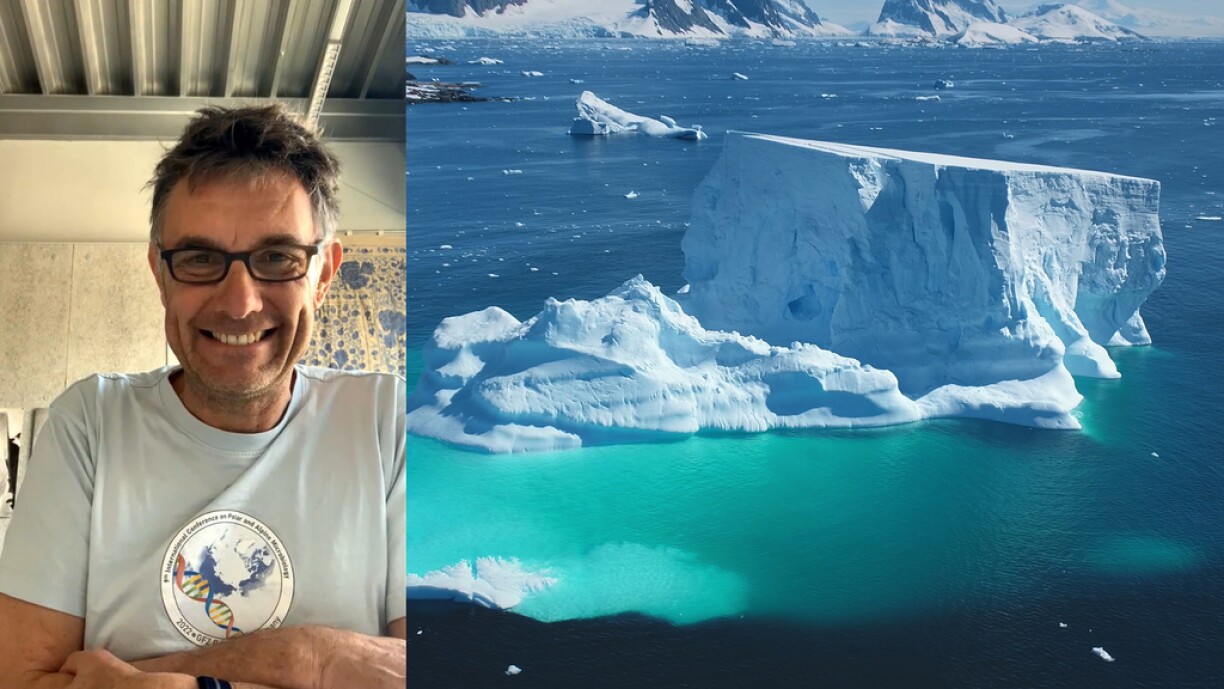
Tom Battin, a native of Esch-sur-Alzette, is professor of environmental sciences at the École Polytechnique Fédérale de Lausanne (EPFL) in Switzerland. Together with 50 other scientists, the Luxembourger has set up a global program to combat the melting of glaciers. In an interview with our colleagues at RTL.lu, Battin explains why preserving glaciers is crucial and what his program aims to achieve.
"Glaciers are more than just frozen water", Battin says. The Switzerland-based scientist explains that while glaciers may be dangerous, they are essential for human survival, and are home to unique microorganisms that could offer promising opportunities for humanity.
However, this eternal ice is quickly melting as glaciers are losing more water than they are gaining through snowfall. Since the year 2000, experts estimate an average of 273 billion tons of ice has melted each year.
To put that in perspective, the amount is equivalent to the global population’s water consumption over 30 years. If temperatures continue to rise at their current rate, more than half of the world’s glaciers could disappear by the end of the century.
Glaciers respond directly to the effects of global warming, as Battin explains: "When the ice melts, it's simply the consequence of climate change. We often say glaciers are the best ambassadors of climate change. They do not lie, it's very simple. And we cannot negotiate with the melting point of ice. It's physics, pure and simple.”
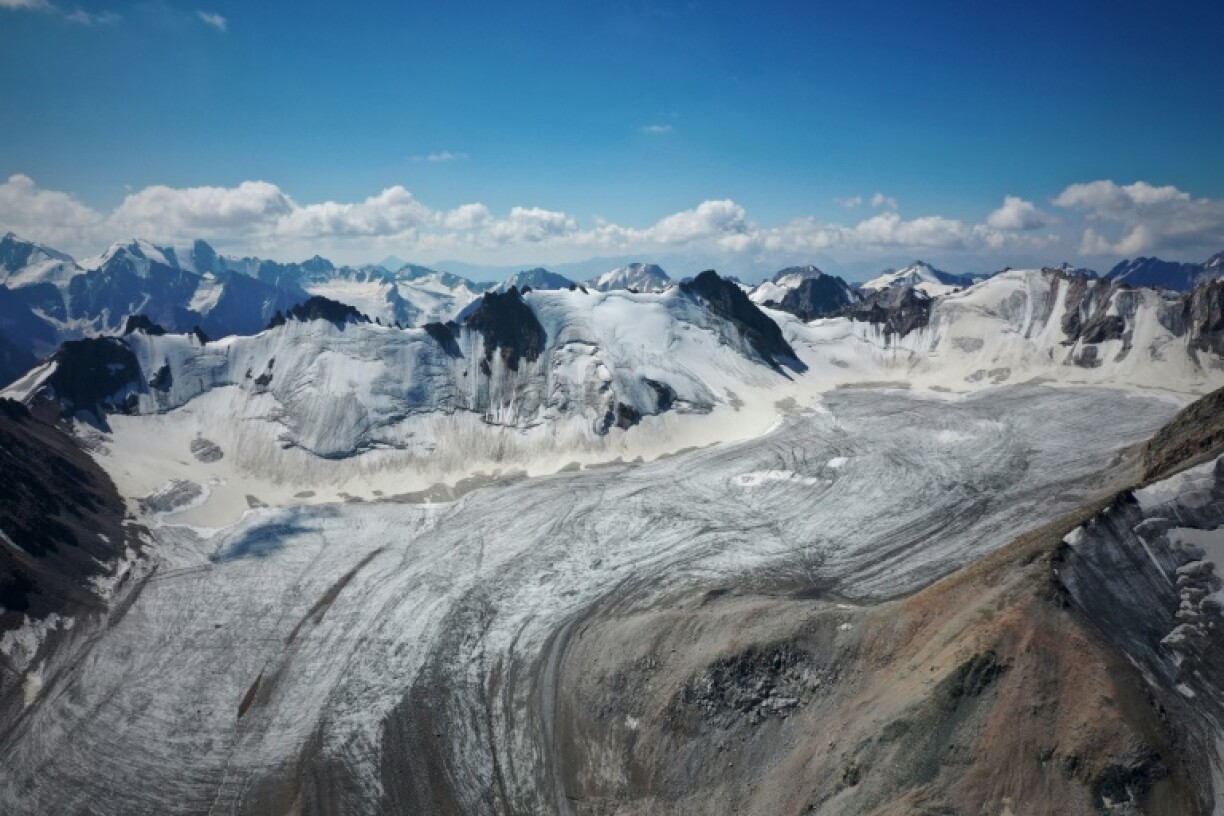
The consequences of glacier melt are far-reaching, even for countries like Luxembourg. Glaciers are the primary source of drinking water globally, and as more ice melts into the sea, less drinking water becomes available.
Moreover, glaciers are currently the main contributors to rising sea levels, where a single millimetre increase can lead to coastal erosion – which in turn affects agriculture, food security, and the economy.
A significant consequence of the above is climate induced migration, says Battin. As land is lost to rising sea levels, people are forced to migrate. In addition, seawater seeps further inland, salinising soils and rivers, making them infertile and incapable of supporting local fisheries that many communities rely on for protein.
When the mass of glaciers decreases, river levels also drop, which could have a severe impact on economic activity, as major waterways such as the Rhine become unnavigable during summer months, explains Battin.
According to Battin, investments in climate mitigation and adaptation are currently insufficient. Greater focus is needed on raising awareness, decarbonisation, mitigation, and adaptation. Without immediate action, the costs of addressing climate-related damage will increase significantly in the future. Therefore, politicians would be well advised to pay more attention to climate change, especially in times when other crises shift the focus.
Battin elaborates this saying that "there’s too little focus on climate in today’s narratives". Watching hundreds of billions of euros flow into defence while climate mitigation and adaptation remain overlooked, Battin argues that in 10 to 15 years, people will realise tanks are useless against climate change.
Battin is the lead initiator of the 'Glacier Stewardship Programme,' a global initiative aimed at preserving glaciers. Along with 50 other scientists, the program forms a multidisciplinary and international alliance focused on developing technical interventions to protect glaciers, building monitoring systems to safeguard populations, and preserving the unique microorganisms found in glaciers for future generations.
The global political community is also becoming more aware of the issue. On 21 March of this year, the United Nations held its first-ever World Glacier Day, and UNESCO has declared 2025 to 2034 the decade of glaciers.





