The evaluation, conducted between early 2022 and 2023, concludes that the research centres in the fields of science and technology, health, and socio-economic research demonstrate commendable scientific performance. However, there is still room for improvement, according to the study.
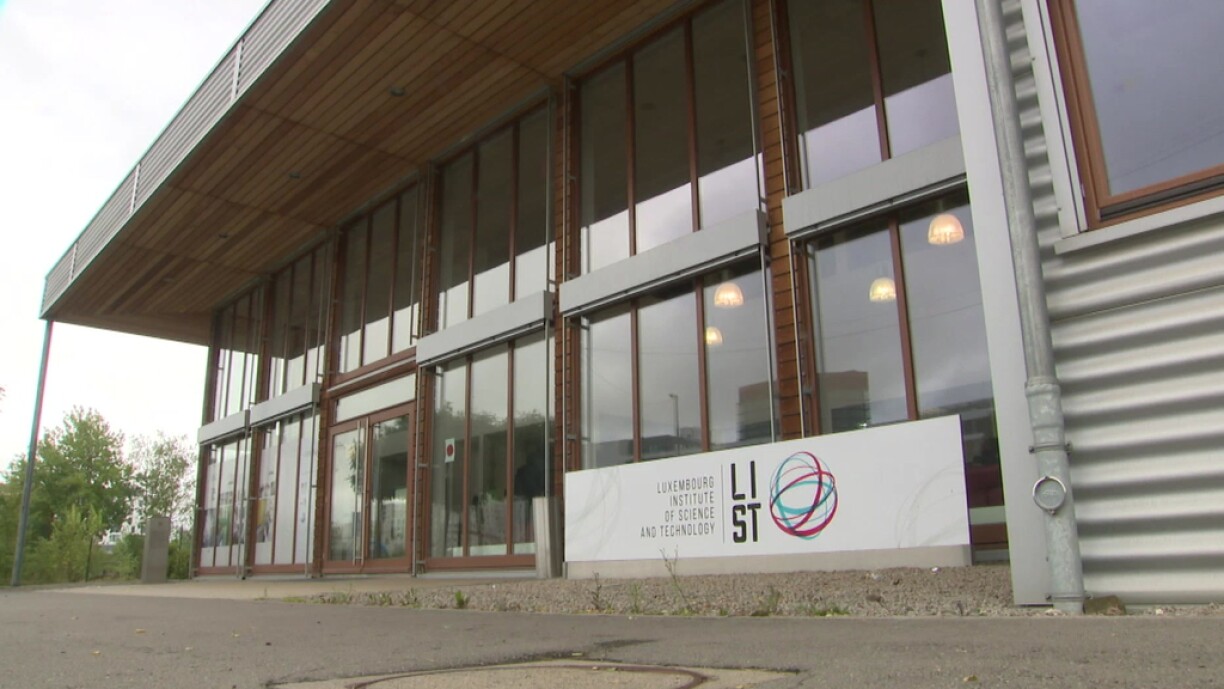
The assessment, carried out by the Swiss company Interface, meticulously examined the research departments, central administration, and governance of the three institutions: the Luxembourg Institute of Science and Technology (LIST), the Luxembourg Institute of Socio-Economic Research (LISER), and the Luxembourg Institute of Health (LIH).
Interface highlighted potential areas for optimisation, particularly in terms of staff promotion. The report stressed the need to strengthen career prospects for highly qualified researchers, many of whom are temporary employees and move to Luxembourg from abroad.
Stefan Rieder from Interface stated, "the individuals we interviewed are highly skilled and motivated. However, promoting young talent remains a weak point in terms of personnel management. These are individuals pursuing doctorate or post-doctorate degrees who aspire to continue their academic careers. We believe that career planning and support should be reinforced for this group."
Minister for Higher Education and Research Claude Meisch acknowledged ongoing efforts to offer long-term prospects to researchers after their tenure. At the same time, however, Meisch stressed the importance of ensuring rotation within research positions to maintain a certain level of mobility.
Financial aspects also garnered criticism. Interface suggested that research institutes should receive a minimum of 40% of their funding from external sources, such as the European Union. Presently, only LISER meets this criterion.
Rieder stressed the significance of securing such funding for positioning Luxembourg within the European Union, stating, "while competition may be limited given that Luxembourg's public research centres are the only institutions of their kind in the country, these funds play a vital role in establishing a strong European Union presence."
Infrastructure was another area of discussion. The rapid growth of the institutes in recent years has amplified the need for equipment and research facilities. Meisch acknowledged this aspect, noting the importance of considering future requirements.