The schedule of the economic delegation around PM Bettel and Minister for Small and Medium-Sized Enterprises Lex Delles in Vietnam was packed. The main points of focus were economic cooperation and the fight against environmental pollution during the three-day visit.
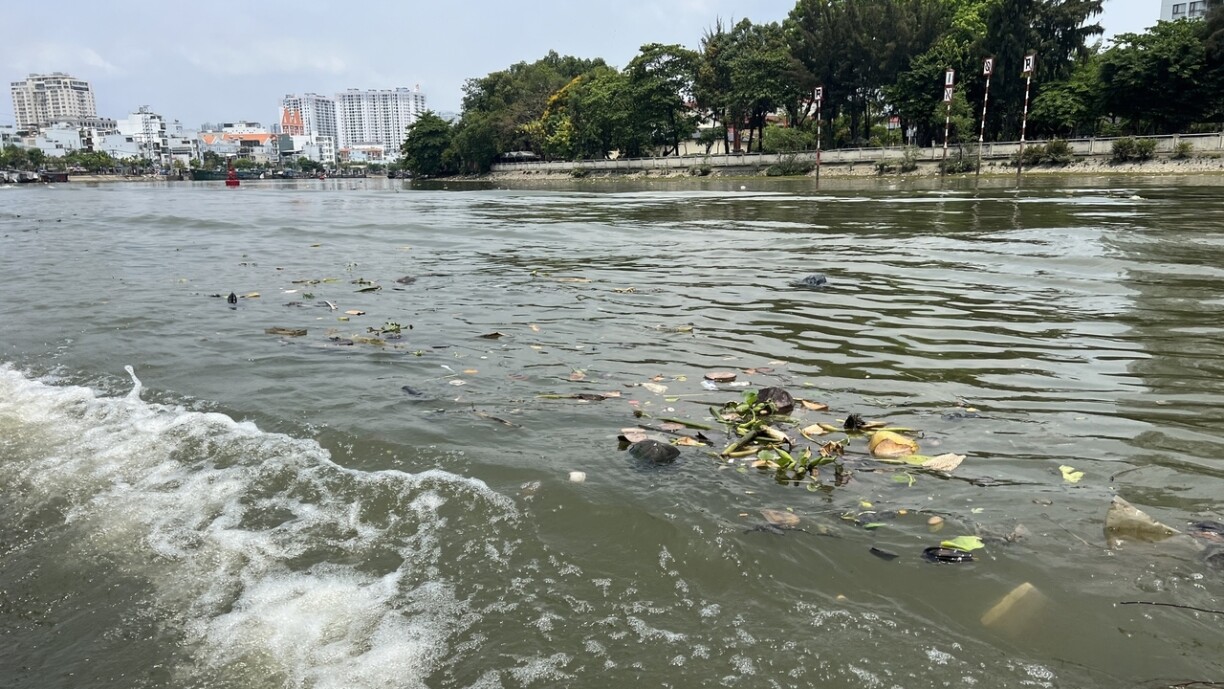
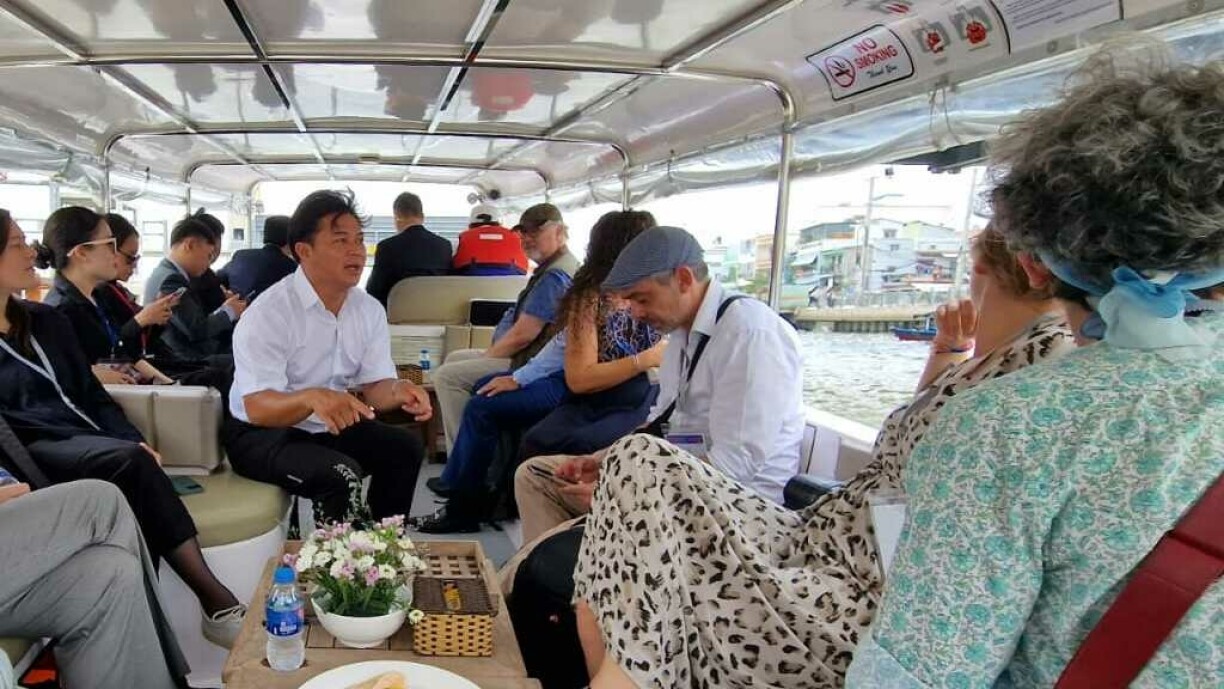
On Friday morning, part of the delegation took a boat ride on the Saigon River. Tourist guide Kha Nguyen explained that smaller factories are responsible for most of the pollution affecting the river since the major companies have invested into becoming more neutral.
Parts of the problem are visible to the naked eye: plastic bottles, bags, and many unidentifiable objects fill the river.


Nguyen also blamed the pandemic for parts of the pollution problem, noting that three to four years prior to the Covid-19 outbreak, Vietnam was doing better in terms of reducing plastic consumption. However, with pandemic-related hygiene protocols, single-use products became the norm once again. "I still hope that we can return to better ways in a year's time", said the guide.
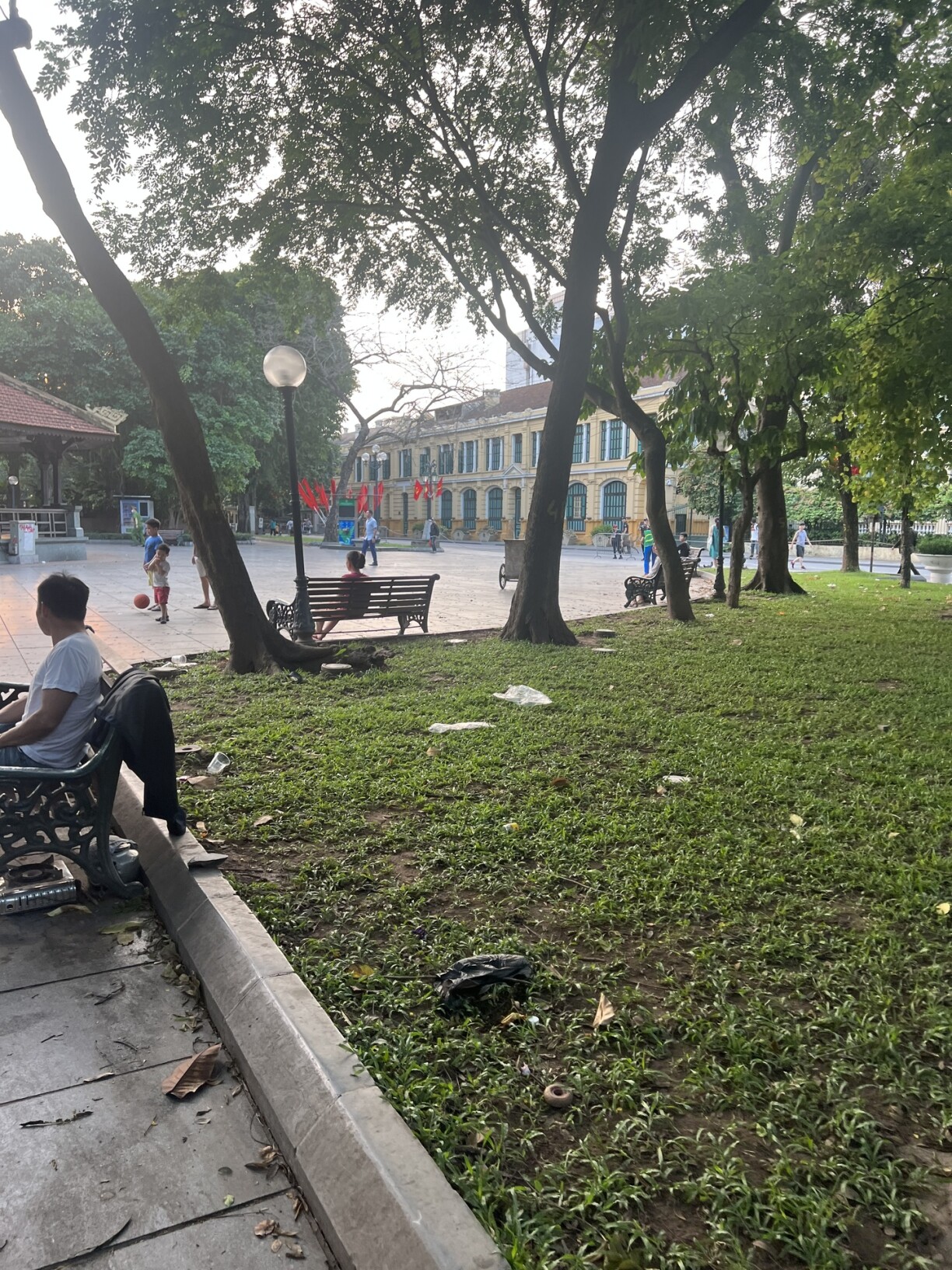
Doubt arises after a walk through the streets of Hanoi or Ho Chi Minh City, however. Plastic is everywhere, even food and drinks are served in plastic bags. Some of the Vietnamese accompanying the delegation also showed little care as they openly littered and encouraged others to do the same.
In their defence, rubbish bins were in fact a rare sight during the entire trip.
Luxembourgers love complaining about traffic and rush hour congestion. But, people in Vietnam might laugh at what we consider busy roads.
Nevertheless, the Luxembourgish delegation made it through the sea of scooters rather smoothly thanks to their police escort. PM Bettel commented with a smile: "I have yet to see this traffic that has everyone talking."
Reality hits when walking the city outside of the delegation. Courage is needed when crossing the street as traffic lights seem to be more of a suggestion than a rule.
"There is actually only one rule: don't stop! Scooters and cars will adapt to you. Walk straight through, they will go around you. They expect that you continue walking. Chances for a collision are much higher if you stop or hesitate", a native told RTL reporters on their first day.
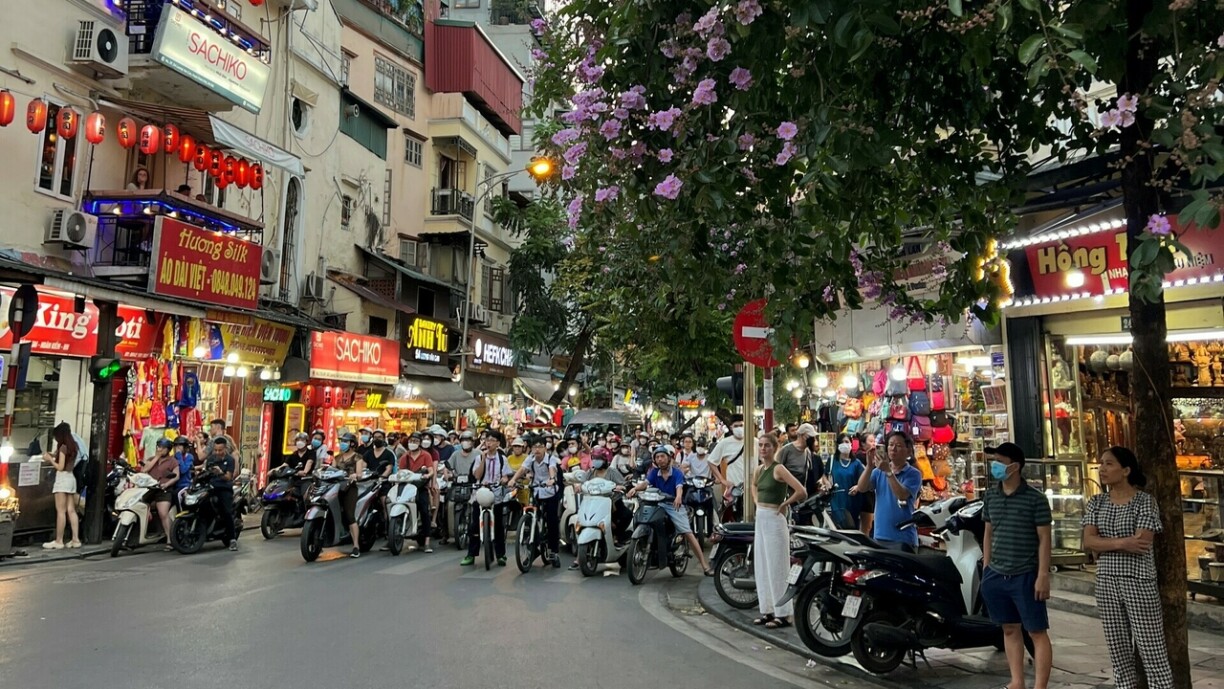
Busses are a rare sight with the exception of the city sightseeing ones for tourists. People commute by car or scooter. Shared driving is also a thing, most of the scooters carry up to three people at a time.
9 million people live in Ho Chi Minh City and more than 8 million scooters are estimated to be in use. Hanoi City has 8 million residents and an estimated 5 million scooters. Reason for their popularity is the convenience and cheapness compared to cars.
According to Vietnamese car manufacturer VinFast, public transport is not popular due to dirty and badly maintained trains and busses. Nevertheless, the company has still decided to develop its own electrical bus. "We will maintain those busses and keep them clean. We see that this is already increasing the number of people taking the bus", noted a VinFast spokesperson.
Read also: Government delegation visits electric vehicle manufacturing plant in VietnamThe company's most affordable electric scooter costs $1,000 and VinFast has managed to become the most successful seller of electric scooters in Vietnam.
According to tourist guide Nguyen, people in Vietnam are not being educated about environmental protection: "We have to start talking about it in schools and that is why we need people who can educate." He went on to stress the importance of state visits from more advanced nations so that Vietnam can learn ways to improve.
Luxembourg plans on doing just that. During their visit, PM Bettel pledged to award €5 million from the City Climate Finance Gap to Ho Chi Minh City in an effort to promote environmental protection.





