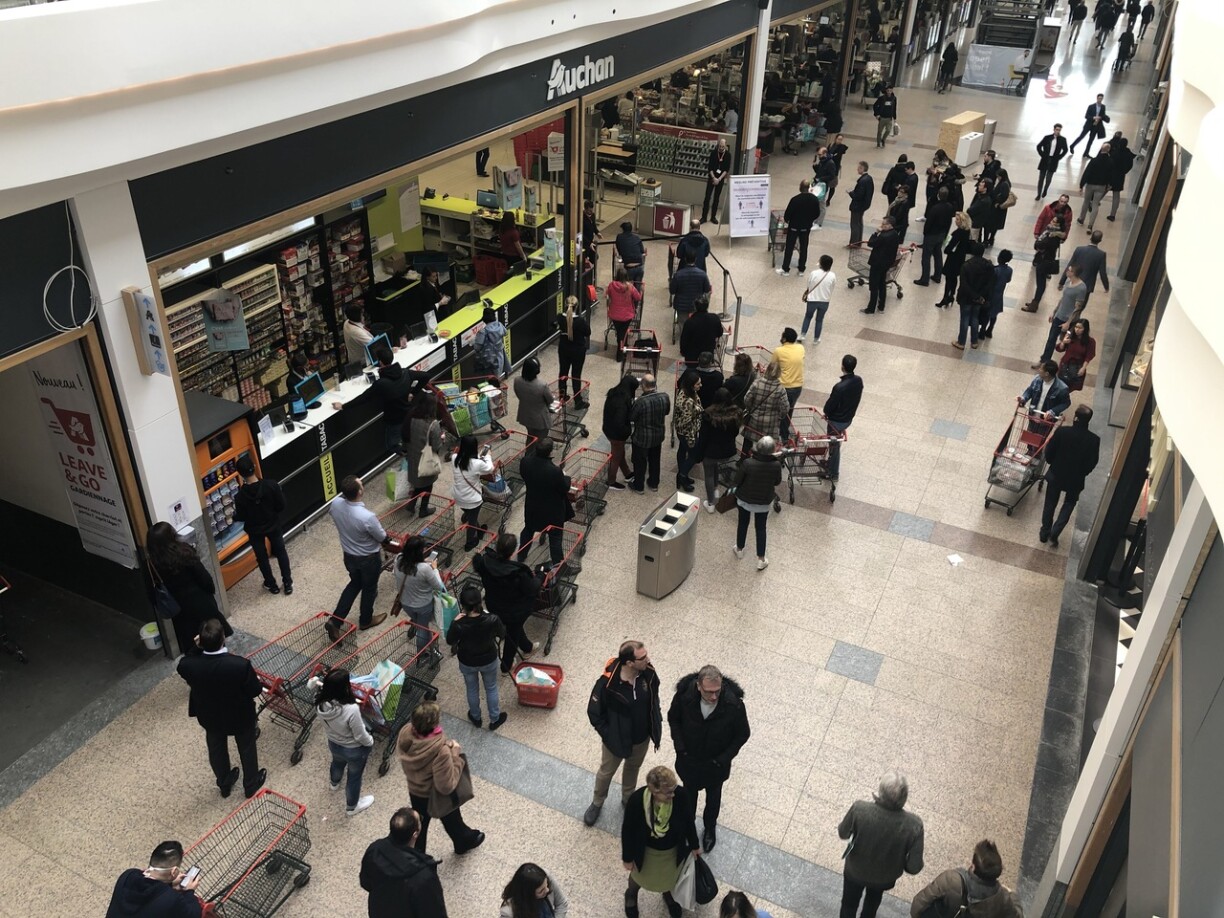
According to Marc Herber, the manager of a fashion boutique, the final two to three months of the year continue to generate the largest share of turnover, an unusually concentrated pattern that leaves little time to reflect on Christmas performance before the sales begin.
He explained that revenues have been roughly in line with last year and that he is satisfied with the result. Customers still come to browse, and many leave with items they had not initially planned to buy, something that, he noted, is far less common in online shopping.
Personal service, such as tailored advice and small adjustments or repairs, continues to distinguish local shops from their digital competitors.
Janssen Liu of the employers' association Luxembourg Confederation also spoke of a very strong 2025 Christmas season, based on feedback collected from retailers across different sectors. He noted that consumer habits have remained broadly similar to last year.
Before 2024, however, the situation had been more challenging: households were unsettled by the energy crisis and inflation, both of which reduced disposable income, he said. For that reason, the Confederation welcomes the government's recent tax relief measures and hopes they will further boost commercial activity.
Liu added that the food sector benefitted the most from the Christmas period, with families gathering at home or going out to eat, making it by far the strongest performer. The fashion and electronics sectors also enjoyed a solid festive season, boosted not only by Christmas shopping but already by Black Friday promotions, Liu explained.
Back in the fashion boutique in Beggen, concerns about high prices or tighter household budgets did not appear to affect demand. Herber said he had seen no real difference in the proportion of customers choosing full-price or reduced items, adding that many of his clients prefer to buy fewer but higher-quality pieces rather than multiple cheap ones.
There is little time now for retailers to dwell on accounting, as the post-Christmas sales have already begun. Herber described it as a rare and intense stretch: Black Friday, followed by St Nicholas Day celebrations, the Christmas rush, and then immediately the winter sales.
A significant share of annual revenue is generated during these final weeks, income that the fashion industry then reinvests in purchasing the upcoming spring collections.






