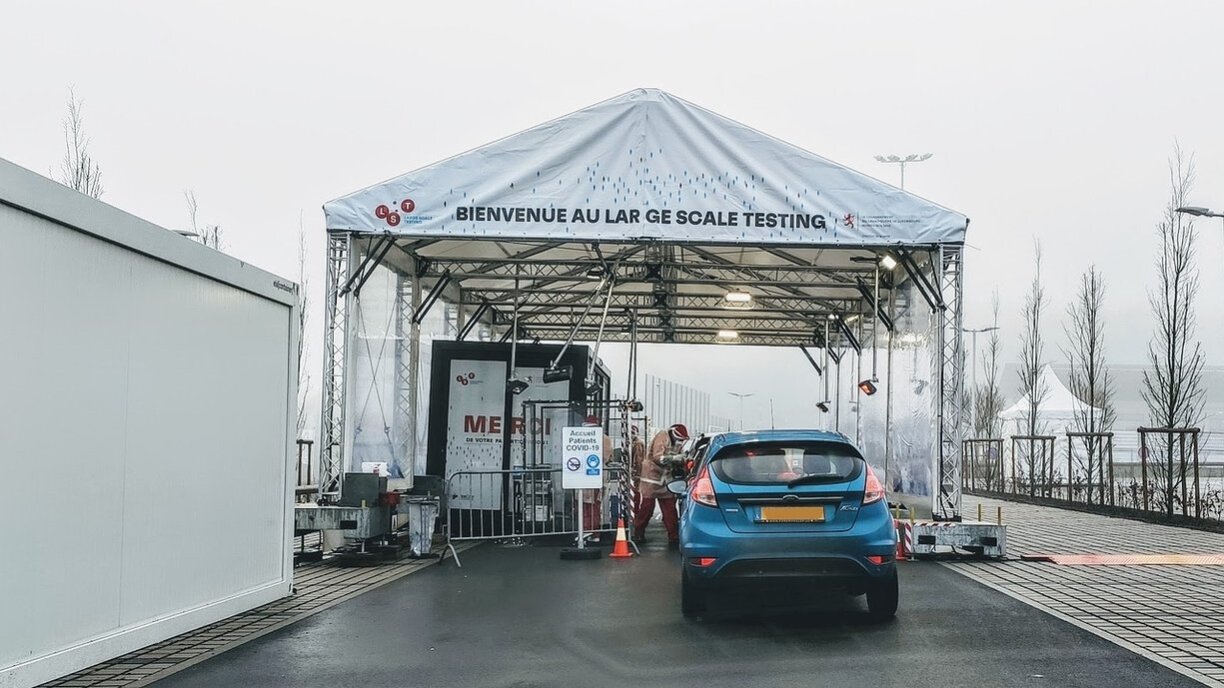
On Monday, the Parliamentary Budget Oversight Committee continued its review of the Court of Auditors' special report on Luxembourg's Large-Scale Testing initiative during the Covid-19 pandemic. The session highlighted systemic issues in public procurement and called for structural reforms to prevent similar challenges in the future.
MPs Sam Tanson of the Green Party (Déi Gréng) and Stéphanie Weydert of the Christian Social People's Party (CSV) were appointed as co-rapporteurs to lead the committee's analysis. Their examination revealed a widespread lack of expertise in drafting calls for tender across multiple ministries – a problem not limited to the Ministry of Health or the large-scale testing initiative. In response, Pirate Party MP Sven Clement proposed the creation of a centralised unit to manage public procurement, aiming to streamline processes and improve oversight.
MP Stéphanie Weydert expressed shock over the absence of written procedures for invoice validation in many ministries. Similarly, MP Sam Tanson emphasised that expert support could have prevented numerous errors. "For example, various procedural mistakes occurred, or the tendering process itself was flawed, with changes made to public procurement mid-way", Tanson noted, adding, "Perhaps everything would have been different with proper support."
Tanson called for a plenary session debate on the findings to draw lessons for the future, particularly in light of planned increases in defence spending.
MP Fred Keup of the Alternative Democratic Reform Party (ADR) acknowledged the need for significant improvements. "Clearly, there is much to address, and I hope we can do that effectively", Keup stated. He added that any further irregularities uncovered should lead to appropriate consequences.
MP Franz Fayot of the Luxembourg Socialist Workers' Party (LSAP) acknowledged that while some procedures were rushed, the Court of Auditors found no financial irregularities. "In the urgency of the pandemic, solutions had to be found quickly with the limited resources available", Fayot explained. He also recognised that laboratories benefited from the situation, noting, "In such contracts, there is always a windfall effect, and it was likely no different here."
The committee will reconvene to discuss how to proceed with its findings and recommendations.





