Effective 1 January, car scrapping in Luxembourg is under the management of Ecorauto, a new structure represented by several federations from the automotive sector, including Fedamo (garages and concessionaires), the federation of leasing companies, the association of constructors, and the ASBL Ecobatterien. The overarching goal is to maximise vehicle recycling in the coming years.
In Europe, approximately 6 million cars are decommissioned each year, containing substantial amounts of plastic and other toxic substances. To minimise the environmental impact and value loss during material sorting, the European Parliament has proposed stricter recycling rules.
Luxembourg is proactively addressing this issue, according to Andy Maxant, Director of Ecorauto. He explains that there is an ongoing EU project aiming to enhance regulations for "véhicule hors usage" significantly, especially in terms of recycling various materials present in cars.
Ecorauto oversees the recycling process, gathering data from designated centers and submits an annual report to the Ministry of the Environment. The report details the number of cars recycled, the recycling methods employed, and the recycling rates for different materials within a car.
Optimal recycling is legally mandated in Luxembourg, and it comes with a cost, albeit a small one. On new cars with a B driver's license and weighing up to 3.5 tons, an environmental contribution of 5 euros is charged without VAT.
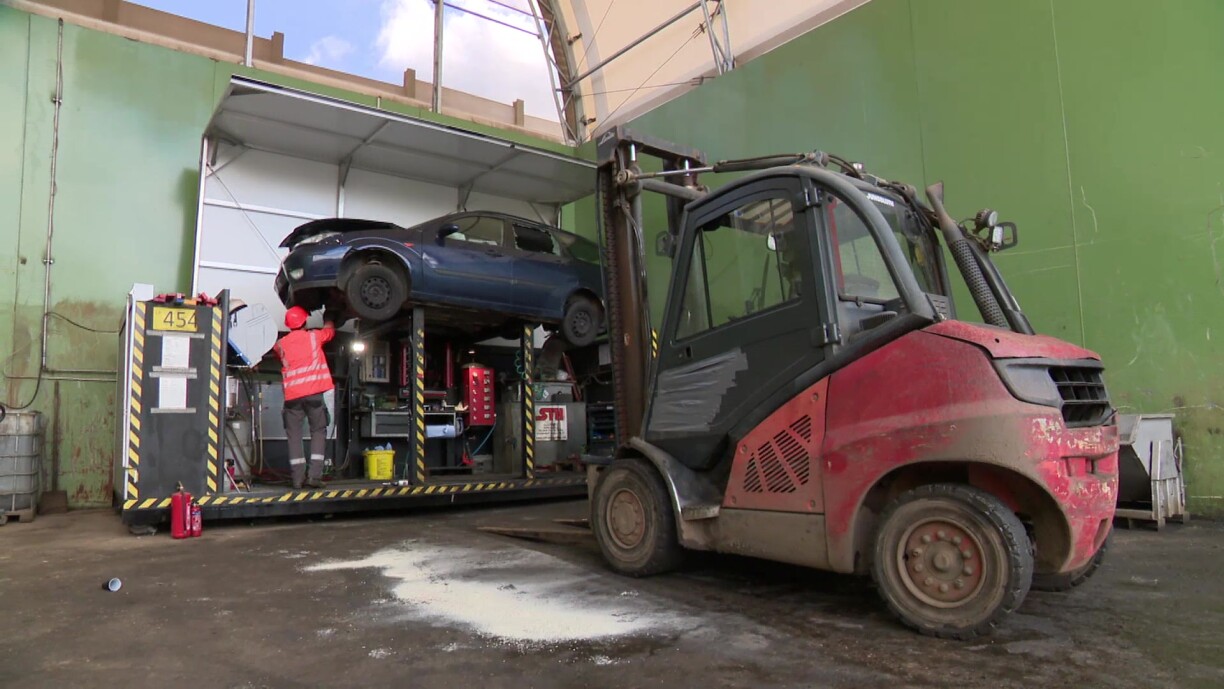
Cars collected at the site in Senningerberg are transported across the border to Germany for recycling. Karin Liébaert, specialising in steel and metals recycling, explains the meticulous process at the shredding plant in Germany. The cars are dried, shredded, and then sorted into normal steel, iron, aluminum, copper, and plastic. Despite the efficiency of the process, certain materials still end up in incinerators.
Currently, 1,200 cars per year are sent abroad from Luxembourg for recycling, a slight decrease from the usual 1,500-2,000 due to the tense economic situation. Liébaert provides insight into the meticulous steps involved in preparing the cars for shredding.
"The car is placed on a mobile drying plant. A person dries the car manually. All liquids are taken out, the tires are removed, the airbag is deployed. The whole process takes between 15 and 25 minutes."
While 83-87% of vehicles are currently recycled in Germany, an EU proposal envisions recycling up to 95% in the future. However, this regulation is yet to be approved. The challenge lies not only in setting ambitious goals but also in ensuring proper consideration of recycling during the car manufacturing process.
As electric vehicles become more prevalent, new challenges emerge, particularly concerning battery recycling.
The transition to stricter recycling standards is seen as a gradual process, with the ultimate aim of creating a more sustainable and environmentally friendly vehicle lifecycle.
See video report in Luxembourgish:





