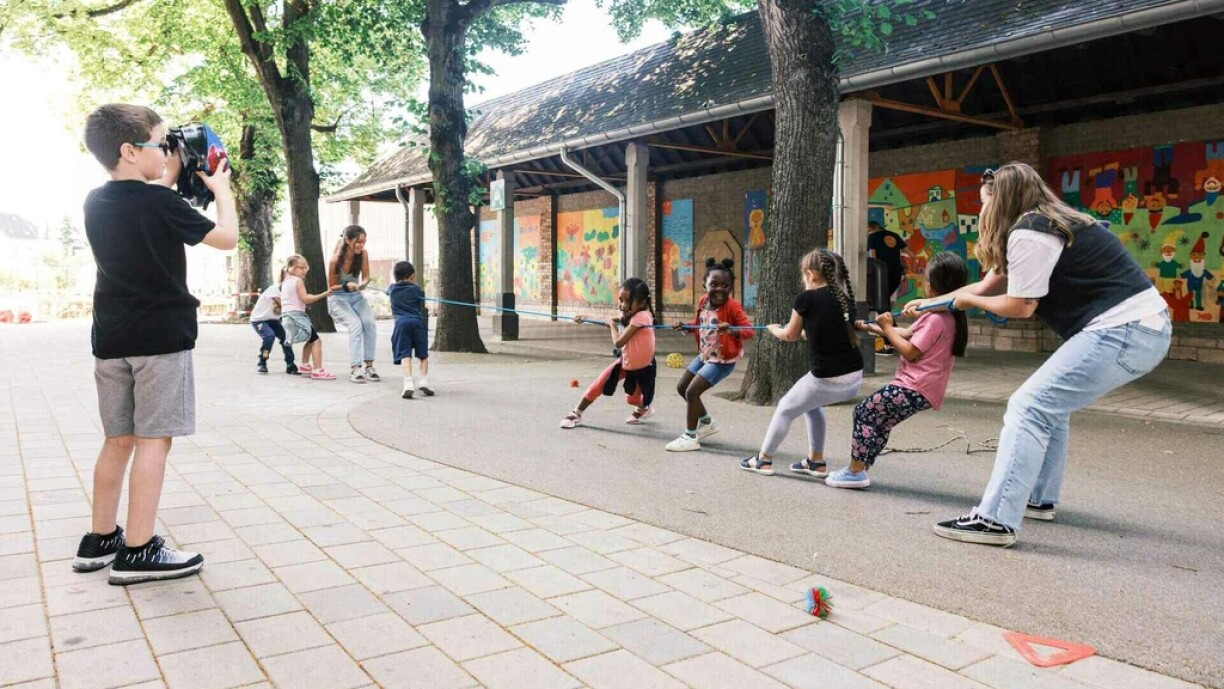
The programme, called WibS, which is short for Wibbelen & intelligent beweegen an der Schoul – roughly "fidgeting & moving intelligently in school" – is part of the Ministry's broader 'Screen-Life Balance' campaign. Smiling, moving, and learning through play are the core aims of WibS, a project developed by the Ministry in collaboration with the Department for the Coordination of Educational and Technological Research and Innovation (SCRIPT).
The goal is to encourage regular physical activity – not only during PE lessons, but integrated into the entire school day. The initiative is primarily aimed at children from early years education up through to Cycle 4 in primary school.
Speaking to RTL, Education Minister Claude Meisch explained that helping children find balance and release energy is essential. He noted that teachers often report pupils struggling to sit still in class, which is hardly surprising, he said, when young children naturally thrive through movement. Physical activity, he further stressed, is key to a child's well-being, and in a world where smartphones present a constant distraction, it is more important than ever to instil a joy of movement early on, he noted.
The WibS programme is structured around four key components. The 'WibS-Boost' element involves a mobile activity cart containing more than 80 playful exercises designed to get children moving throughout the day. 'WibS-Check' is about motor skills assessments that help identify children's physical development levels.
'WibS-Bike' focuses on helping children learn how to ride a bicycle. Finally, 'WibS-Class' integrates movement directly into regular lessons, allowing pupils to be physically active even while learning traditional subjects.
In the first phase, schools can invite a SCRIPT team to lead sessions with pupils, which teachers are later encouraged to adopt and continue independently. Karel Achten, SCRIPT's movement coordinator for primary schools, explained that the team's role is to inspire and support schools as they get started.
He explained further that SCRIPT remains available to support teachers throughout the process, whether it is answering questions, sharing best practices, or helping them develop the confidence to implement activities independently. The aim, he said, is for schools to eventually invest in their own resources, such as balance bikes, so they no longer rely on outside support.
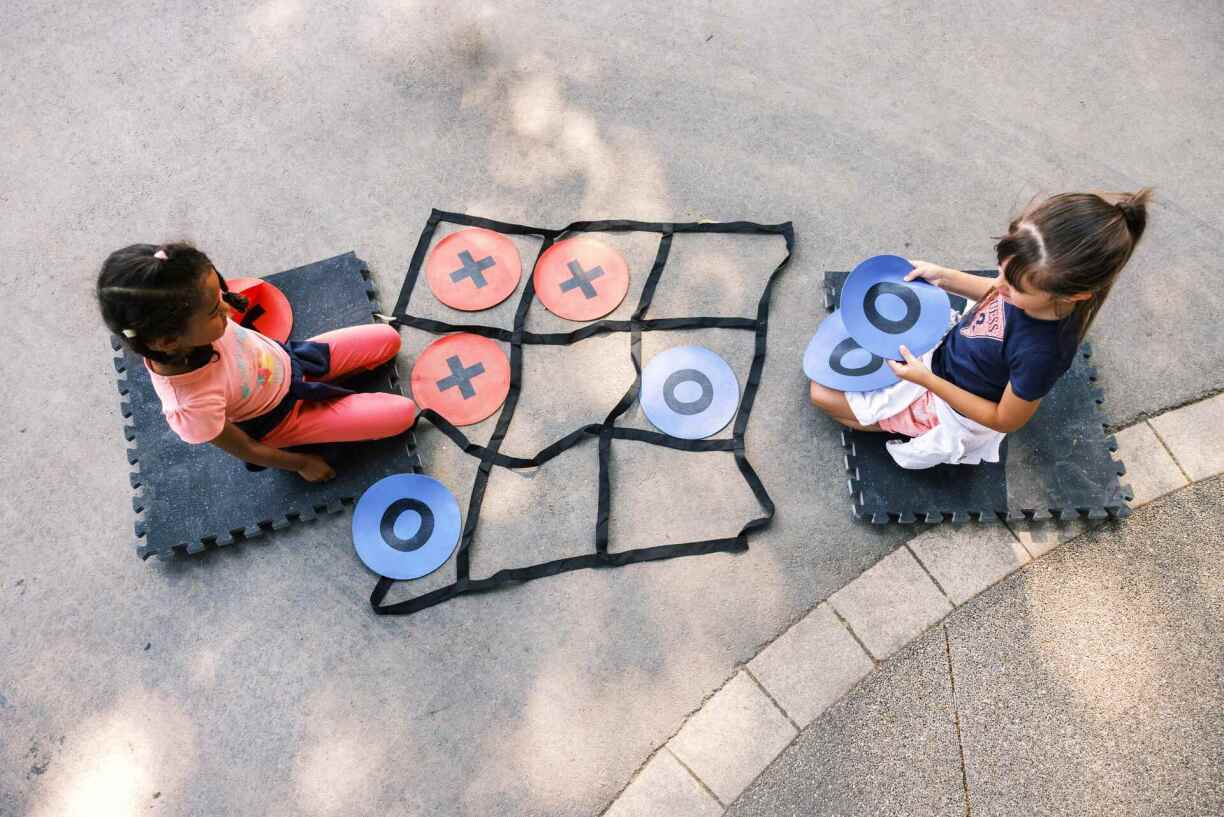
At the Strutzbierg primary school in Dudelange, pupils responded enthusiastically to the initiative. Teacher Thierry Raguet said that allowing more movement could also help address behavioural issues.
He explained that the new approach gives pupils a completely different environment – they are no longer "tied to their chairs", as he put it. Instead, they can move freely, engage in activities while learning, collaborate with classmates, and even be a bit more physically expressive, he noted.
According to Raguet, it is a method that reaches children in a way traditional seated learning sometimes fails to do, and it may even help reduce classroom conflicts. The idea is for movement to become part of everyday school life – anytime, anywhere, and above all, with enjoyment.
The plan is to roll out the WibS initiative across all schools in the Grand Duchy from the next academic year.





