
Here are five things you should know at the end of this week:


The new rent and lease law in Luxembourg, effective 1 August, mandates that agency fees be split equally between tenants and landlords, reduces the maximum security deposit to two months' rent, and requires written rental agreements.
Tenant-friendly changes – The new rent and lease law in Luxembourg, which takes effect on 1 August, introduces several tenant-friendly changes. One significant update is that agency fees, previously the sole responsibility of tenants, will now be equally split between tenants and landlords.
Additionally, the maximum security deposit that tenants are required to provide has been reduced from three to two months' rent. The law also stipulates that all rental agreements must be documented in writing, making verbal contracts legally invalid, thereby providing greater legal clarity and protection for tenants.
Deposit returns – The law includes specific provisions for the return of security deposits, ensuring fair treatment of tenants when they move out. Landlords are now required to refund half of the deposit within a month if no significant damage to the property is reported. This change aims to provide tenants with quicker access to their funds and reduce disputes over deposit returns.
Furthermore, the law establishes a legal framework for co-rentals or shared apartments, acknowledging the growing trend of shared housing and offering legal protections for those living in such arrangements.
Further changes on the horizon – Although the initial proposal by former Minister of Housing Henri Kox included a new rent cap, this provision was not included in the updated law. However, current Housing Minister Claude Meisch has indicated that this omission may be addressed in future legislation. He has announced plans to introduce a new draft bill by the end of June next year, signalling continued efforts to modernise the housing market and enhance tenant protections.
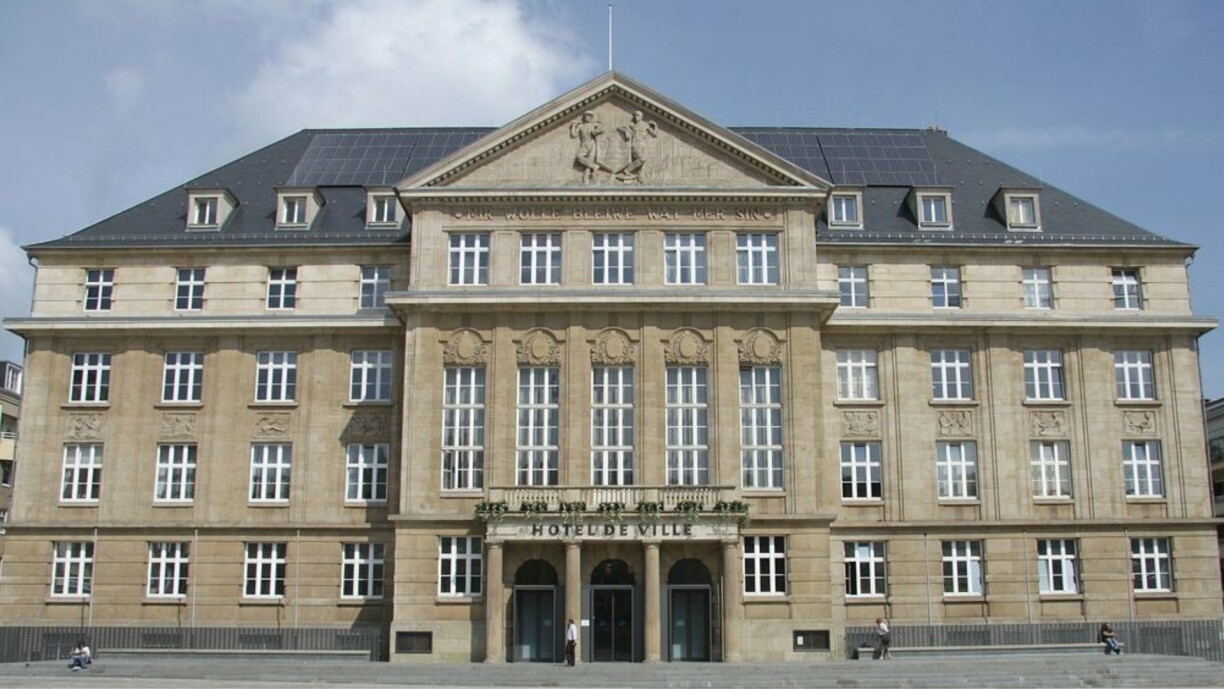
FrEsch, a non-profit managing cultural events in Esch-sur-Alzette, has refuted recent budget mismanagement claims, clarifying specific financial details and asserting all decisions require municipal council approval.
The municipal opposition, critical of FrEsch's handling of subsidies, demanded greater transparency and recently received documents detailing the non-profit's finances.
With FrEsch receiving €4.5 million in subsidies, opposition parties are scrutinising the necessity and efficiency of this funding compared to other cultural institutions, advocating for more council involvement in governance.
Criticism refuted – FrEsch, a non-profit organisation responsible for hosting cultural events in Esch-sur-Alzette, has faced criticism over its budget management. In response, FrEsch issued a statement refuting the claims made in an investigation by Reporter.lu, emphasising that the information was not thoroughly researched.
They clarified specific instances, such as a €1,400 invoice for food at two exhibition openings and corrected the erroneous revenue figure of €5.7 million reported. Additionally, they stressed that all financial decisions are made with the municipal council's approval, and their accounts are published and verified according to regulations.
Transparency push – Opposition parties on the Esch-sur-Alzette municipal council have long been critical of FrEsch's budget management and have been pushing for greater transparency. Since January, they have been requesting detailed financial documents from FrEsch, as well as other cultural non-profits like Escher Kulturnuecht and Francofolies. This pressure resulted in the municipal councillors finally receiving the requested documents, a move hailed by opposition members as a significant step towards transparency and accountability in the use of public funds.
Financial scrutiny – FrEsch receives a substantial €4.5 million in subsidies from the municipality, a figure that far exceeds the funding allocated to other cultural institutions in the southern city. Opposition members, such as the Left's Marc Baum and the LSAP's Steve Faltz, argue that this high level of funding necessitates a thorough review to determine if it is justified, especially since other institutions manage to run extensive programming with significantly less money. They are scrutinising the newly obtained documents to assess the efficiency and effectiveness of FrEsch's use of public funds and are considering whether the municipal council should have more involvement in the non-profit's governance to ensure proper oversight.
Caritas Luxembourg established a crisis committee led by Christian Billon, with support from PwC, following a €60 million embezzlement scandal that has halted government funding and led to criminal investigations.
FM Xavier Bettel condemned the embezzlement as "a disgraceful theft from the world's poorest", highlighting its impact on both local and international aid projects funded by Luxembourg, private donors, and the EU.
Luxembourg City alderwoman Corinne Cahen confirmed ongoing service provision and expressed confidence in the crisis committee, while acknowledging the possibility of other organisations taking over some services temporarily or permanently.
Ongoing investigation – Caritas Luxembourg has responded to a significant €60 million embezzlement scandal by forming a crisis committee chaired by Christian Billon, a figure known for his financial and social sector expertise. The committee, supported by PwC, aims to manage the fallout and restore trust. This development follows internal alerts and a criminal complaint by Caritas' director general, Marc Crochet, with an individual already turning themselves in to the police amid ongoing investigations.
Bettel appalled – Foreign Affairs Minister Xavier Bettel has voiced strong condemnation of the embezzlement scandal, labelling it as "a disgraceful theft from the world's poorest". Bettel emphasised the far-reaching consequences, noting that the stolen funds were earmarked for vital projects benefiting both local communities and international development efforts funded by Luxembourg, private donors, and the EU. He stressed that reallocating funds from other NGOs to Caritas is not an option, and alternatives, including potential postponement of projects, are being considered.
Cahen optimistic – Luxembourg City alderwoman Corinne Cahen has assured the public that essential services funded by the city are still being provided, despite the scandal. Cahen expressed confidence in the leadership of the newly formed crisis committee, particularly in Billon.
However, she did not rule out the possibility of other organisations stepping in to temporarily or permanently take over some services to ensure continuity. Cahen highlighted the city's commitment to maintaining care for those in need, even as the situation with Caritas unfolds.
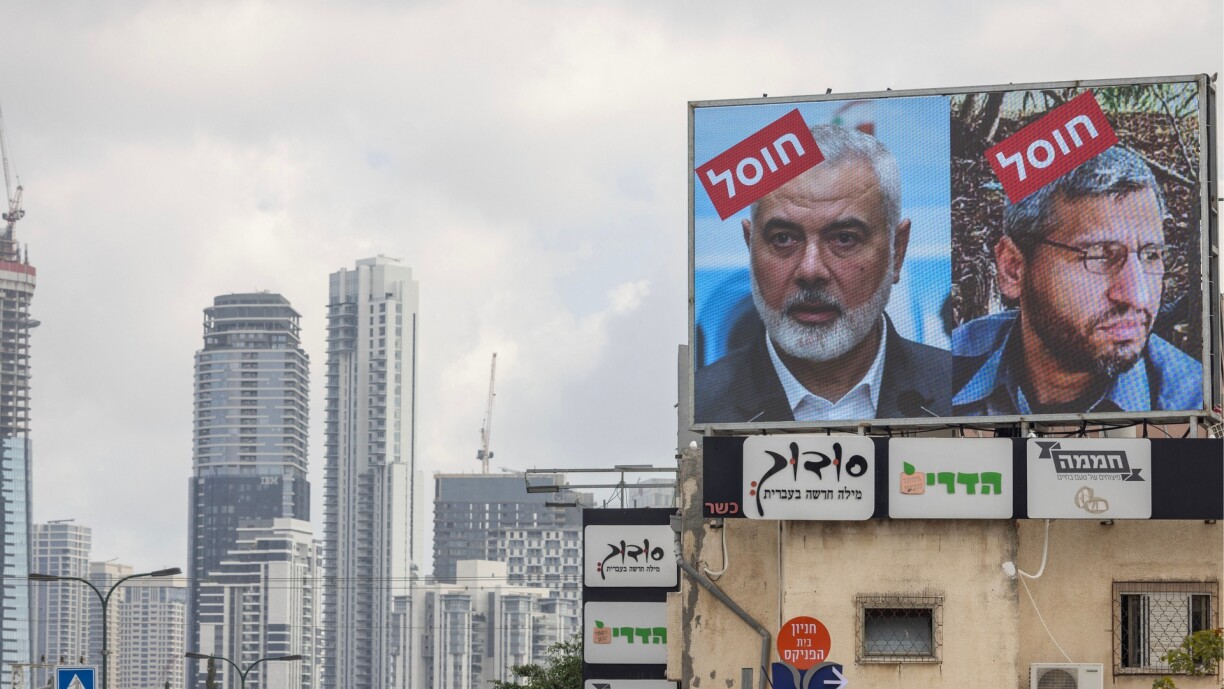
Hezbollah mourned its senior commander Fuad Shukr, killed in an Israeli strike in southern Beirut, leading to concerns of increased regional conflict, while Israel also struck Tehran, killing Hamas political leader Ismail Haniyeh.
The UN and international community condemned these strikes as dangerous escalations, with regional leaders, including Iran and Turkey, threatening retaliation against Israel.
Qatar's mediation efforts for a Gaza ceasefire are jeopardised by the killings, as Iran and its allies plan a coordinated but limited response to deter Israel without sparking a broader war.
Retaliation – Hezbollah is mourning the death of its senior commander Fuad Shukr, who was killed in an Israeli airstrike on a building in southern Beirut. This attack also resulted in the deaths of five civilians. The strike has heightened fears of a broader conflict, with Hezbollah's leader Hassan Nasrallah expected to address the group's position at Shukr's funeral. Israeli Prime Minister Benjamin Netanyahu praised the operation, attributing Shukr's death to a retaliation for a rocket attack on the Golan Heights, which Israel claims was orchestrated by Hezbollah.
International condemnation – The international community, including UN Secretary-General Antonio Guterres, condemned the strikes on Beirut and Tehran as dangerous escalations that risk worsening the ongoing conflict. Iranian and Turkish leaders have called for strong international condemnation, with Iran's supreme leader Ayatollah Ali Khamenei and President Masoud Pezeshkian promising retaliation. The United States and other countries have expressed concern over rising tensions, emphasising the need for de-escalation and a ceasefire in Gaza.
Strategic strikes – Mediation efforts for a Gaza ceasefire, led by Qatar, have been severely impacted by the killings of key figures like Haniyeh. His death, alongside the high-profile killing of Fuad Shukr, has thrown the negotiation process into doubt, as stated by Qatar's prime minister. In response, Iran and its allied groups are planning a coordinated, measured retaliation against Israel, aimed at deterring further actions without triggering an all-out war, reflecting a strategic approach to maintain regional stability while addressing their grievances.
A historic prisoner swap between the US and Russia, involving the release of journalist Evan Gershkovich and others, was facilitated through secret negotiations and a crucial call by President Joe Biden before he announced his reelection withdrawal.
High-level diplomacy and pressure on European allies were key to securing the release, despite initial reluctance to meet Russia's demands, including the release of a convicted Russian hitman.
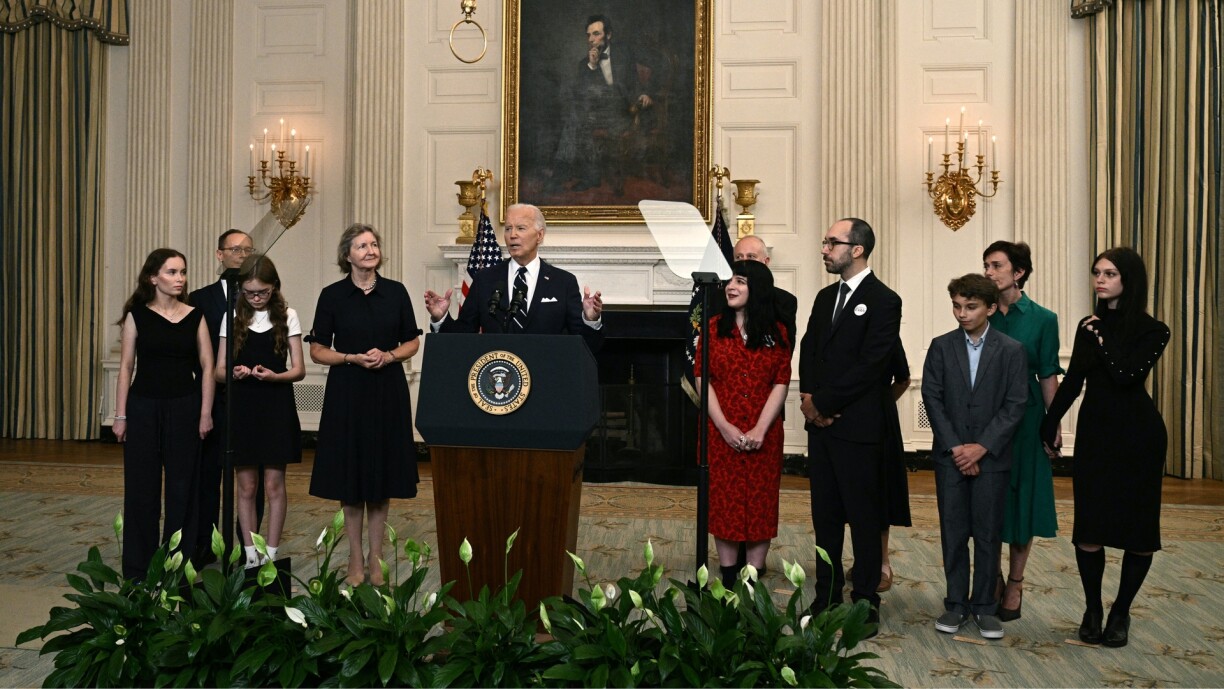
The agreement culminated in a carefully coordinated exchange in Ankara, with President Biden and families celebrating the return of the freed prisoners at the White House.
Last-minute push – The historic prisoner swap between the US and Russia, which saw the release of journalist Evan Gershkovich and 15 other Westerners, was achieved through secret, painstaking negotiations. A pivotal moment came when President Joe Biden made a crucial phone call to his Slovenian counterpart just an hour before announcing his decision not to run for reelection. This last-minute diplomatic push was instrumental in finalising the arrangements for the exchange, underscoring Biden's commitment to securing the release of these prisoners.
Prisoners freed – High-level diplomacy and significant pressure on European allies were essential in meeting Russia's demands, despite their initial reluctance. The negotiations were complicated by Moscow's insistence on the release of Russian nationals imprisoned in the West for serious crimes, including Vadim Krasikov, a hitman convicted of assassinating a Chechen rebel commander in Berlin. Persuading Germany to release Krasikov required extensive diplomatic engagement, highlighting the complexity and sensitivity of the negotiations.
Emotional triumph – The agreement culminated in a carefully coordinated prisoner exchange in Ankara, Turkey, where 26 prisoners were swapped between Russia and several Western countries. The release was celebrated at the White House, with President Biden and the families of the freed prisoners marking the occasion. Biden praised the bold and brave decisions of US allies, particularly German Chancellor Olaf Scholz, and led a heartfelt celebration that included singing "happy birthday" to the daughter of one of the released prisoners, making the event a personal and emotional triumph.
Business & Tech – Turkey on Friday blocked access to the Instagram social media network, the national communications authority said without explanation, following censorship accusations against the US company by a high-ranking Turkish official.
Science & Environment – Bringing planet-heating emissions to net zero by 2100 is critical to avoid triggering "tipping points" that could destabilise the systems that keep Earth in balance, a new study said Thursday.
Entertainment – A Britney Spears biopic is in development after Universal Pictures bought movie rights to the pop star's best-selling memoir, the Hollywood studio announced Thursday.
Smartphone ban – The thorny subject of smartphone use at school is in the spotlight after a public petition calling for the ban on the devices once students enter the school grounds has reached the 4,500-signature threshold, with still a week to go.
Overshoot Day – Environmental activists from Votum Klima marked Overshoot Day with a symbolic race in Luxembourg City, highlighting the country's alarming rate of resource consumption, estimated to be the second highest in the world.
Finance –Havilland Bank is at risk of losing its licence in Luxembourg, putting around 130 jobs on the line as international media say the bank has been targeted by the ECB and the CSSF, the Financial Sector Supervisory Commission in the Grand Duchy.

Your Weekly Recap is published every Friday at noon. Read earlier versions.





