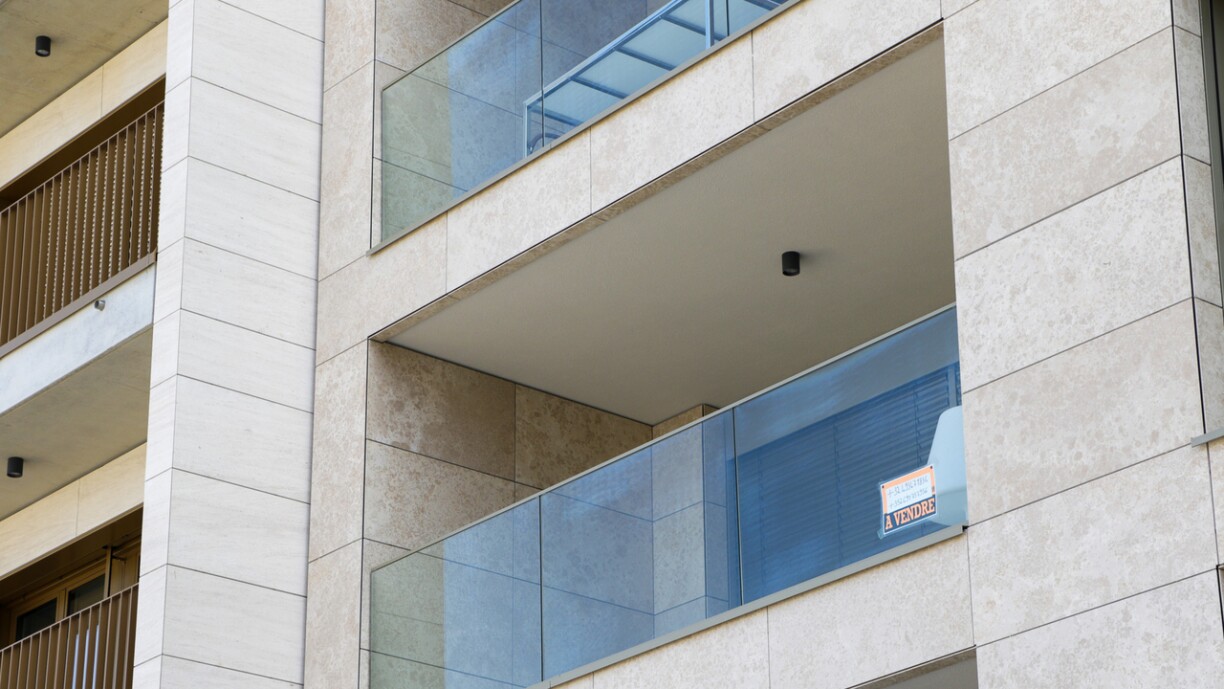
The measures announced in July aim to provide relief to households and businesses in Luxembourg, in a bid to boost the economy.
Some of these 16 measures belonging to the tax package, estimated to be worth 535 million euros, have been widely publicised since the announcement. The adaptation of the tax scale to indexation is one; tax exemption for unskilled minimum wage earners is another. Cross-border workers were offered tax credits for overtime as well. However, some of the measures have fallen under the radar in Luxembourgish media.
One of these relates to interest charges on mortgage loans for buyers who have purchased, or are planning to purchase, an existing property in 2024. These buyers will not only benefit from the new "Bëllegen Akt" but also from a significant tax gift.
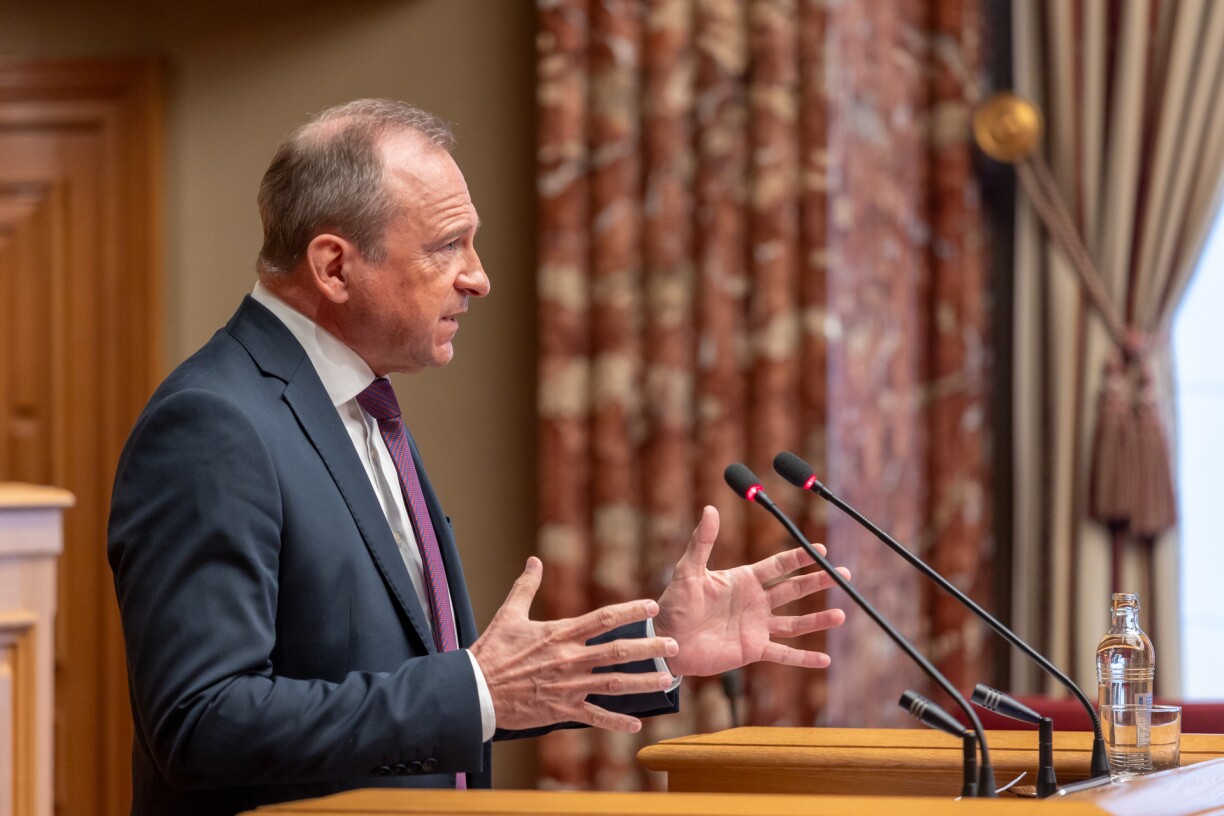
Effectively, if relying on the Ministry of Finance road map, buyers will be able to deduct all their interest payments from their taxable income in the purchase of an existing property. The measure is valid for 2024 and 2025, and is applicable to bridging loans as well.
In concrete terms, if a buyer earns €80,000 a year, and pays €15,000 in interest to the bank this year or next, they will be able to deduct the full amount, bringing their taxable income down to €65,000. This would significantly reduce the tax due to be paid over these two years.
But it doesn't stop there, as the Ministry of Finance has accounted for a €4,000 euro threshold for the amount to be deducted over the coming four years. Subsequently, the threshold will be lowered to €3,000 and €2,000, according to a ministerial document.
However, it is important to note that this measure in particular forms part of a bill which has yet to be voted on by the Chamber of Deputies. But the good news is that it was already validated by the government council on 17 July. The Ministry of Finance envisages that the bill will come into force on 1 January 2025.





