Here are five things you should know at the end of this week:

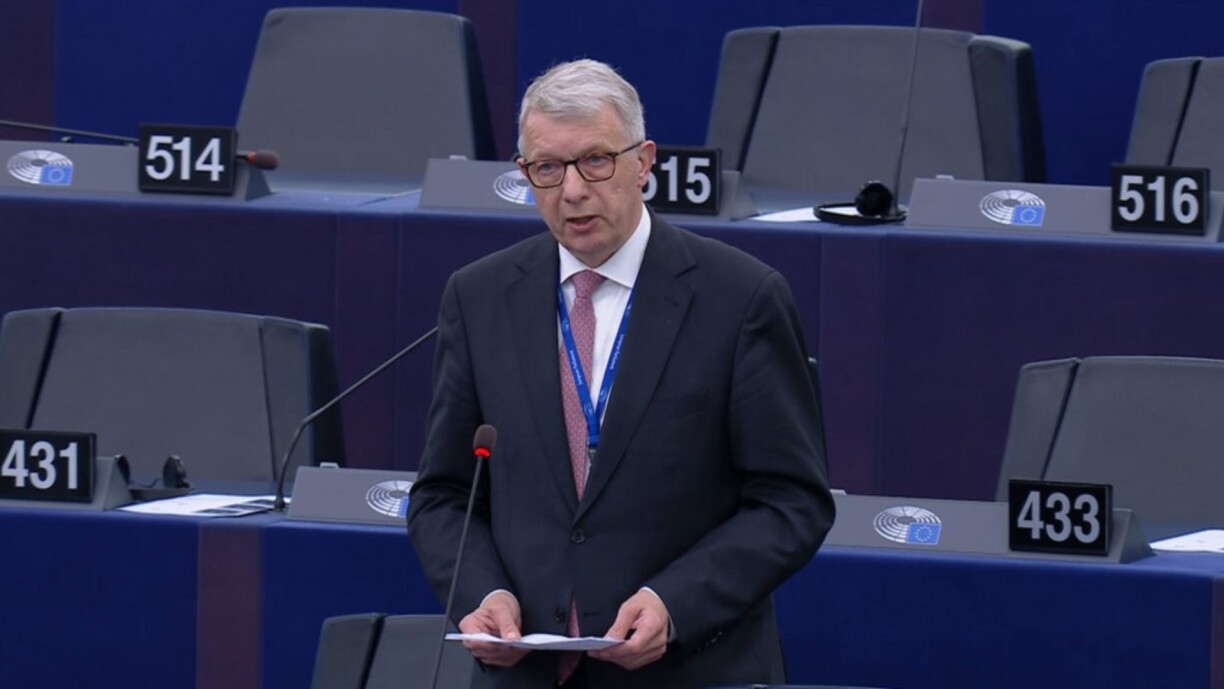
MEP Fernand Kartheiser's attempt to speak Luxembourgish in the European Parliament was cut short due to rules limiting speeches to the EU's 24 official languages, sparking debate over the language's role in EU institutions.
Raising eyebrows – During a European Parliament session, MEP Fernand Kartheiser, representing the Alternative Democratic Reform Party (ADR), attempted to deliver part of his speech in Luxembourgish, a language not officially recognised by the EU. He was interrupted by Vice-President Esteban González Pons, who reminded him that speeches must be in one of the 24 official languages. Kartheiser responded by asking for Luxembourgish to be recognised in the same way as other languages, citing its historical role in the EU's founding discussions, but was ultimately required to continue in English.
Criticism all around – Following the incident, Luxembourg's Minister for Culture, Eric Thill, criticised Kartheiser’s actions, suggesting they went against the ADR's own position. Earlier in the year, the ADR had acknowledged that seeking EU recognition for Luxembourgish could mean waiving translation requirements. Thill, alongside several MEPs, labelled the move as contradictory and unnecessary. Other political figures, including MEP Isabelle Wiseler-Lima of the Christian Social People's Party (CSV), described Kartheiser's attempt as a deliberate stunt, aimed at provoking controversy rather than addressing serious policy matters.
Costly endeavour – Opponents of Kartheiser's stance also raised practical objections to the proposal of recognising Luxembourgish as an official EU language. The Greens' MEP Tilly Metz pointed out that the annual cost of granting full language recognition would be around €40 million. She and others suggested that the money could be better used elsewhere, particularly during times of economic crisis. Some MEPs also noted that Luxembourg already benefits from a multilingual system, with existing provisions allowing for the use of Luxembourgish in certain contexts, such as in written communication with EU institutions, without the need for official status.
Read also: Opinion: Dear Mr Kartheiser: Valid point, wrong approach

The cost of a Luxembourg City cycle and pedestrian bridge project has risen by €16 million since 2021, now totalling €40.1 million, mainly due to rising material costs and wage adjustments.
Despite opposition from local residents and political parties, the city council approved the revised budget, with construction expected to begin in spring 2025.
Neudorf residents remain opposed, citing environmental concerns and questioning the necessity of the bridge, but the project is moving forward after 18 years of discussions.
New budget approved – The budget for the Luxembourg City cycle and pedestrian bridge, originally approved in 2021, has increased by over 60%, bringing the total estimated cost to €40.1 million. This €16 million rise is largely due to soaring raw material prices, particularly steel, and wage indexations, which have significantly impacted construction costs. Additionally, the cost of certain elements like the lift connecting Neudorf to the bridge has nearly tripled, further inflating the overall budget. The city council attributes these cost hikes to unavoidable economic conditions but remains committed to completing the project despite the financial challenges.
Political opposition – Although the revised budget was approved by the Luxembourg City council, the decision did not receive unanimous support. Political parties like the Luxembourg Socialist Workers' Party (LSAP) and The Left (Déi Lénk) abstained from voting, while the Alternative Democratic Reform Party (ADR) actively opposed the new budget. However, Mayor Lydie Polfer and the council's majority emphasised the importance of the bridge for improving connectivity between neighbourhoods. Construction is expected to begin in spring 2025, and the project is scheduled to take three years to complete, despite ongoing opposition from local residents.
People's opposition – The most vocal opposition to the project comes from residents of Neudorf, who have expressed concerns about the environmental and aesthetic impacts of the footbridge. The Neudorf Local Interest Association and other residents have filed an appeal, arguing that the bridge will unnecessarily alter the character of the neighbourhood and could lead to environmental degradation, such as forest clearing and increased heat during the summer months. They also question the bridge's necessity, pointing out that the city centre is already accessible by bus within minutes. However, despite these objections, city officials, including Mayor Polfer, have reiterated that the project will proceed as planned.
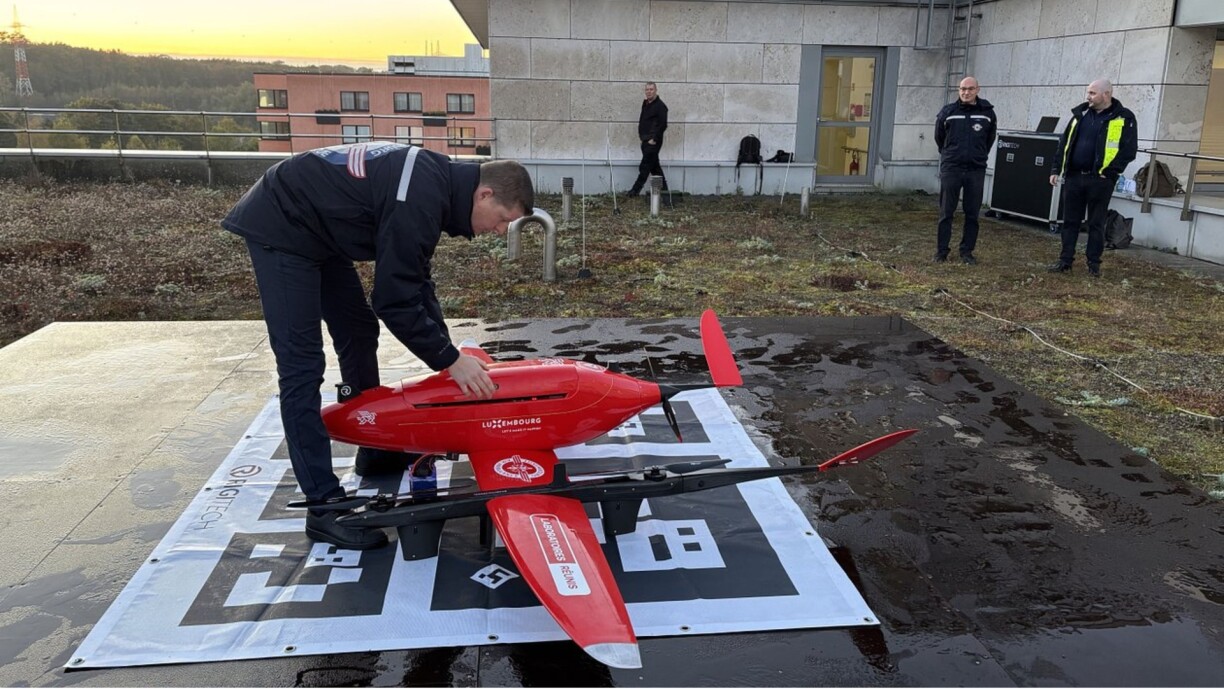
Luxembourg is testing a medical drone, part of the 'Griffin project', to transport vital medical samples more efficiently during emergencies, with successful test flights already completed.
The drone, developed in partnership with several organisations, including Luxembourg Air Rescue and Laboratoires Réunis, has a range of 100km and aims to circumvent traffic congestion and reduce CO2 emissions.
Further agreements with civil aviation authorities are needed to increase the number of drone flights, with hopes of expanding commercial operations in the future.
The future is now – Luxembourg is spearheading the use of drones in emergency healthcare as part of the 'Griffin project', aimed at transporting medical samples quickly and efficiently during critical situations. The project involves key partners such as Luxembourg Air Rescue, Laboratoires Réunis, Santé Services, and Post. After nearly a year of preparation, the team successfully conducted a test flight of the 'Eiger' drone, designed by Rigitech. The test saw the drone fly from Robert Schuman Hospitals in Kirchberg to Laboratoires Réunis headquarters in Junglinster in just ten minutes, marking a major step forward for rapid-response medical transport.
Speedy deliveries – Luxembourg's busy roads and rising traffic congestion have posed challenges for efficient medical transport. Currently, Laboratoires Réunis relies on vans to deliver samples from around 60 centres across the country. By introducing drones with a range of 100km, the Griffin project offers a sustainable alternative that can ease traffic and reduce carbon emissions. The Eiger drone, flying at 120m altitude and reaching speeds of over 100km/h, presents a fast and eco-friendly method to handle time-sensitive medical deliveries, helping to address both logistical and environmental concerns.
Scaling up – While the Griffin project has demonstrated its potential, scaling up operations will require overcoming regulatory hurdles. Currently, the drone flies only twice a week within a designated air corridor, with close coordination between the airport control tower and Luxembourg Air Rescue. The frequency of flights is hoped to be increased, with extended operating hours to make drone use more commercially viable. This expansion will depend on securing additional approvals from the Directorate of Civil Aviation to open up new routes and allow more frequent drone operations.
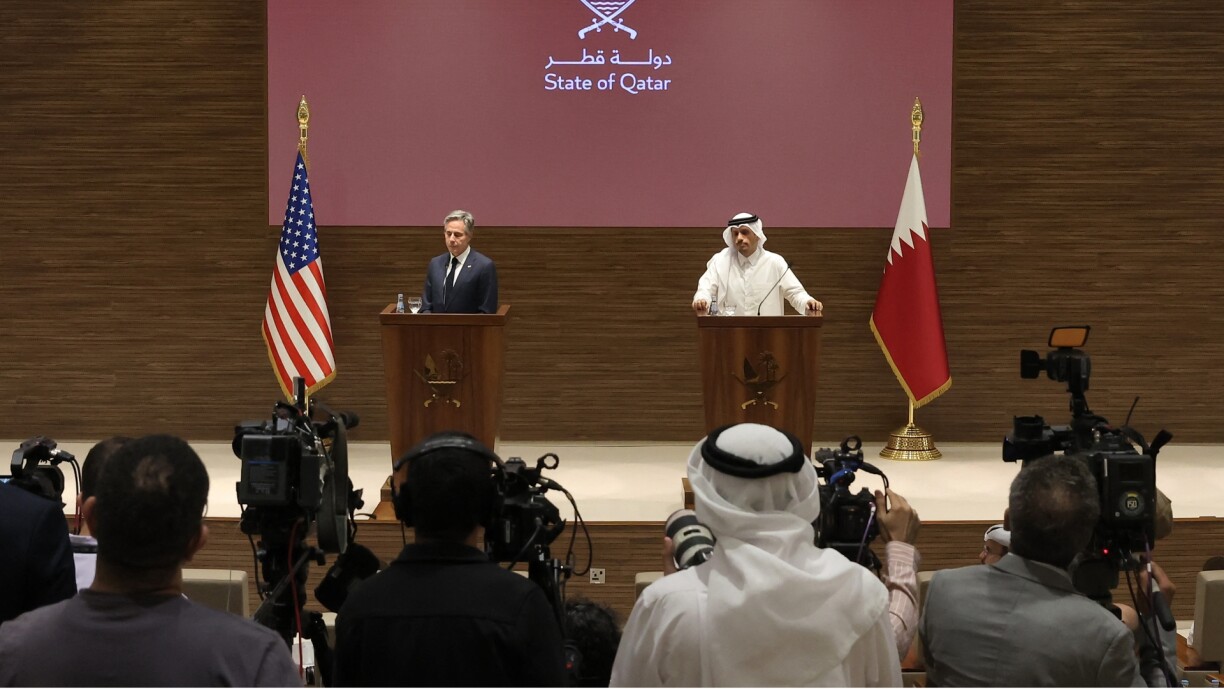
Israel and Hamas are showing signs of willingness to discuss a ceasefire, with talks led by Egypt, Qatar, and the United States aimed at ending the Gaza conflict and addressing humanitarian needs.
The killing of Hamas leader Yahya Sinwar is viewed by the US as a potential opening for negotiations, with Israel's spy chief preparing for further discussions in Qatar to secure the return of hostages.
The war has resulted in high civilian casualties in Gaza and Lebanon, with significant displacement and continued military strikes as diplomatic efforts for a truce progress.
Growing hopes – Both Israel and Hamas have shown a renewed openness to ceasefire talks, with recent discussions mediated by Egypt, Qatar, and the United States indicating possible momentum toward a truce. Egypt's role in facilitating discussions with Hamas and Israel has centred around specific demands, including an Israeli commitment to ceasefire, withdrawal from Gaza, a humanitarian aid corridor, and a prisoner exchange.
Qatar's involvement alongside US Secretary of State Antony Blinken has underscored the urgency to alleviate the humanitarian crisis in Gaza, where access to essentials like food, water, and medical care remains severely limited. Although past efforts at negotiation have been unsuccessful, the international community is increasingly hopeful that current talks may lead to a breakthrough, potentially bringing an end to the hostilities and a path toward stability for Gaza's population.
Hostages a priority – The recent killing of Hamas leader Yahya Sinwar is seen by US officials as a pivotal moment that could influence Hamas' stance on negotiations. Sinwar was reportedly a key figure opposing compromise, and his absence may enable more flexible discussions within Hamas leadership. In response to this potential shift, Israeli Prime Minister Benjamin Netanyahu directed Mossad's head to engage with mediators in Qatar, signalling Israel's willingness to pursue options for freeing Israeli hostages held in Gaza. The release of captives remains a significant component of the broader ceasefire agenda, with both Hamas and Israel under pressure from families advocating for their loved ones.
Recovery efforts – The prolonged conflict has caused a severe toll on civilian populations in both Gaza and Lebanon, with intense military operations and widespread displacement. In Gaza, continuous airstrikes targeting Hamas strongholds have resulted in thousands of casualties, and local civil defence agencies struggle to operate under dire conditions. The humanitarian situation is dire, as schools, shelters, and other civilian structures are frequently struck.
Meanwhile, Israel's campaign against Hezbollah in Lebanon continues escalating, with daily exchanges of fire along the border and a significant increase in civilian casualties. The displacement crisis is further aggravated by Lebanon's ongoing economic challenges, with many communities unable to access essential resources. Recent aid from a Paris conference raised $800 million to support Lebanon's needs, though the humanitarian landscape remains strained, emphasising the urgent need for ceasefire agreements to protect civilians and allow recovery efforts to begin.
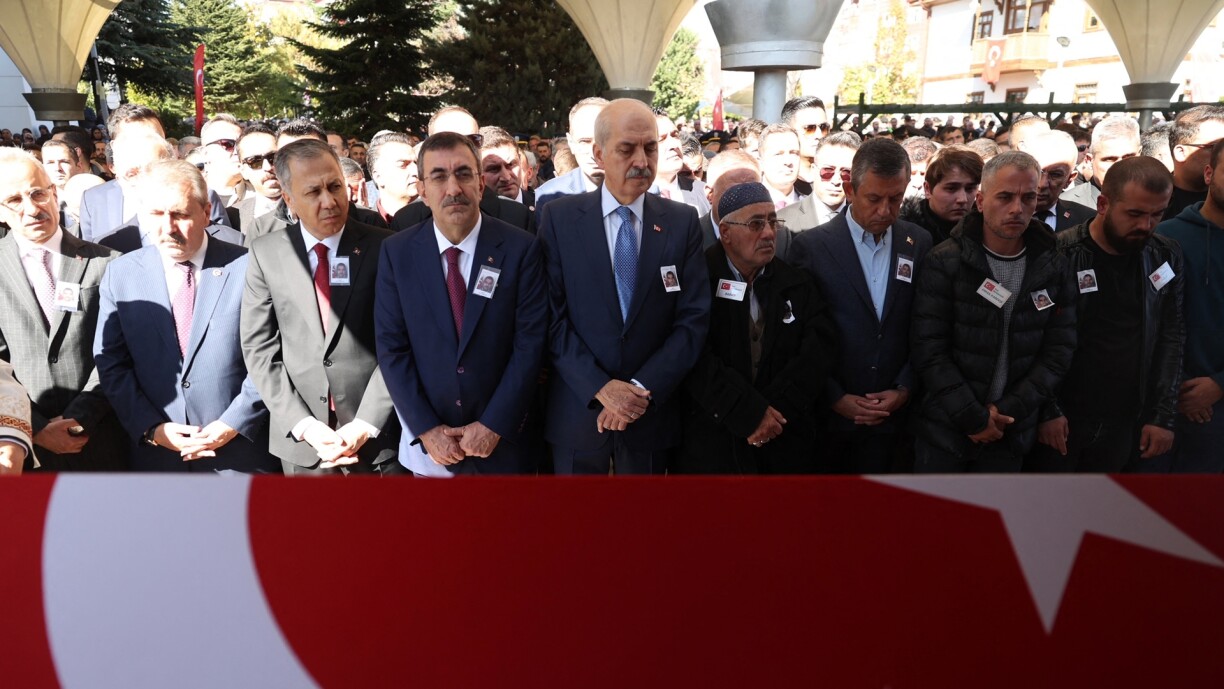
Turkey launched airstrikes on Kurdish militant targets in Iraq and Syria following an attack on a defence firm near Ankara, which killed five people and was blamed on the Kurdistan Workers' Party (PKK).
The attack involved two attackers, a man and a woman, who were "neutralised" by Turkish authorities, with ongoing efforts to identify them and 22 other people wounded in the incident.
The assault drew widespread international condemnation and occurred as political dialogue regarding the decades-long conflict with Kurdish militants was gaining momentum in Turkey.
Retaliation – In response to an attack on the Turkish Aerospace Industries (TAI) facility near Ankara that killed five people, Turkey launched airstrikes targeting Kurdish militant positions in Iraq and Syria. The Turkish government blamed the Kurdistan Workers' Party (PKK) for the assault, which injured 22 others. The airstrikes, which destroyed 32 terrorist targets, mark Turkey's ongoing military campaign against the PKK, a group that has been waging an insurgency against the Turkish state since 1984. The PKK has bases in Kurdish regions of Iraq and Syria, which Turkey frequently targets in retaliation for attacks on its soil.
Attackers killed – The attack on TAI, a major Turkish defence firm, involved two assailants, a man and a woman, who were "neutralised" by security forces after an explosion and a gunfight. The explosion occurred around 3.30pm local time and sent shockwaves through the surrounding area, with gunfire reported and a large smoke cloud visible above the site. Three of the injured were critically wounded, and the assailants reportedly hijacked a taxi, killing the driver, to carry out the attack. Interior Minister Ali Yerlikaya condemned the incident as a terrorist attack, while Turkish media speculated on the nature of the assault, with some reports suggesting a possible hostage situation.
Peace talks jeopardised – The attack drew swift condemnation from world leaders, including Russian President Vladimir Putin, who expressed condolences to President Recep Tayyip Erdogan during their meeting. NATO, as well as leaders from Brussels, Berlin, Paris, Tehran, and Washington, also condemned the attack and expressed solidarity with Turkey. Domestically, the attack took place amid growing discussion within Turkey's political establishment about resolving the decades-long conflict with Kurdish militants through political means. The timing of the attack, a day after a far-right leader called for PKK leader Abdullah Ocalan to announce the group's dissolution, raised concerns among some political figures about its impact on potential peace talks.
Business & Tech – The quest by Boeing's new CEO to revive the aviation giant's fortunes suffered a serious blow when striking machinists voted down the latest contract proposal, prolonging a nearly six-week stoppage.
Science & Environment – The countries bordering the North Sea met in Denmark on Thursday to seal commitments to boost offshore wind power, a sector that is suffering from stiff competition from China.
Entertainment – Thousands of artists including ABBA singer Bjorn Ulvaeus, Hollywood actress Julianne Moore and Nobel laureate Kazuo Ishiguro have signed a statement warning about the unlicensed use of artificial intelligence.
Healthcare – The Centre Hospitalier Emile Mayrisch (CHEM) has extended its mammography hours to offer more flexibility and reduce waiting times for appointments.
Education – Students in Luxembourg may soon benefit from enhanced financial support, following an agreement between the Ministry of Higher Education and the country's student unions.
Employment – Despite a steady rise in unemployment over recent months, Luxembourg's labour market shows resilience, with thousands of job vacancies still in high demand across key sectors.

Your Weekly Recap is published every Friday at noon. Read earlier versions.





