In Brussels, ministers from 24 of the EU's 27 member states agreed to end imports of Russian gas from autumn 2027. Hungary and Slovakia opposed the decision, while Bulgaria abstained. The move comes against the backdrop of a sharp decline in Russian gas imports since the invasion of Ukraine, with supplies from the US now accounting for around 27% of EU imports over the past four years.
Outside the EU institutions, environmental group Greenpeace warned against replacing one form of dependency with another. Lisa Göldner of Greenpeace argued that shifting reliance towards an unpredictable US leadership would expose Europe to new risks, calling instead for a faster transition to renewable energy sources that cannot be influenced by volatile political actors.
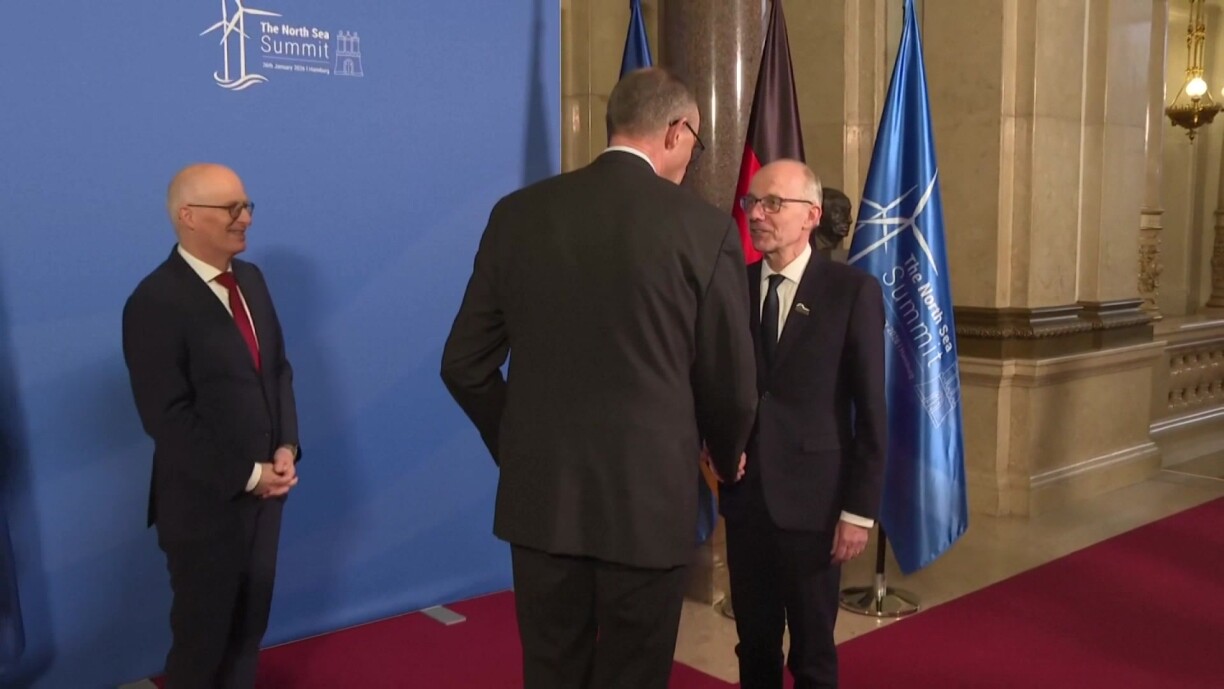
With Russian gas being phased out, the focus has now turned to how Europe will replace those supplies. This question dominated discussions at the North Sea Summit in Hamburg, where Luxembourg was also represented.
Although the country has no coastline, Minister of the Economy, SME (Small and Medium-sized Enterprise), Energy, and Tourism Lex Delles explained that Luxembourg's participation reflects its involvement in an increasingly integrated European energy system. Offshore wind generation in the North Sea, he said, is a cornerstone of this transition, not only for electricity production, but also for producing hydrogen using surplus power.
Delles stated that Luxembourg is already cooperating with Belgium and the Netherlands on hydrogen projects and operates an integrated electricity market with Germany, underlining Luxembourg's close energy ties with neighbouring countries.
At the summit, North Sea countries signed an agreement to interconnect 100 gigawatts of offshore wind capacity across borders. A further €9.5 billion is due to be invested in production capacity by 2030, while the industry has committed to reducing costs by 30% by 2040.
PM Luc Frieden said recent geopolitical developments, ranging from the war in Ukraine to uncertainty in transatlantic relations, highlight the importance of strengthening Europe's energy resilience. He described energy security as a key condition for preserving Europe's ability to act independently in the future.
Luxembourg also signed a bilateral energy agreement with Denmark, enabling it to support renewable projects there and count the resulting output towards its own targets. Delles acknowledged that Luxembourg cannot realistically produce enough renewable energy domestically to become fully self-sufficient, but stressed that this was never the objective.
Instead, he explained that the aim is to ensure sufficient energy supply across Europe as a whole. He noted that offshore wind farms in the North Sea generate far more power at lower cost than installations in Luxembourg, which makes international cooperation both economically and strategically logical.
As offshore infrastructure expands, so do concerns over its vulnerability. Against the backdrop of heightened tensions with Russia, representatives of NATO were invited to the discussions in Hamburg for the first time. Talks focused on how to better protect strategically important energy infrastructure in the North Sea from potential threats.





