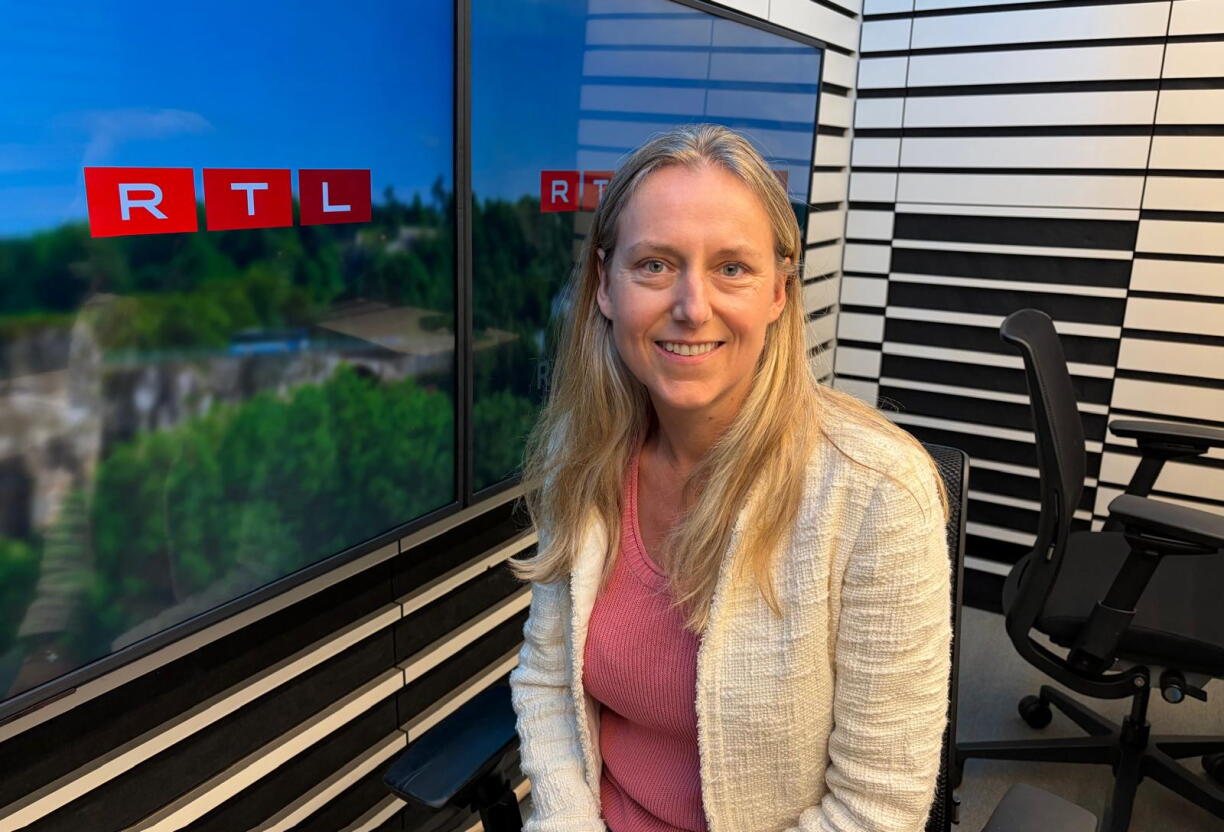
The new law on shop opening hours, passed in the Chamber of Deputies six months ago, comes into effect this week. Carole Muller, president of the Luxembourg Confederation and head of Fischer bakeries, says the reform mainly creates more options for retailers rather than imposing mandatory changes.
"I don’t think shops will immediately make use of the full range of opening hours", Muller told RTL, adding, "It's mainly about giving each business the possibility to open when customers are there."
The headline change concerns Sundays. Previously, shops needed council approval to open on Sundays, but now, "a framework has been set so that those who want to open can do so", Muller explained.
The law permits shops to open from 5am to 9pm on weekdays, and until 7pm on weekends and public holidays. Muller emphasised, however, that major immediate changes are unlikely.
Muller underlined that the new law offers retailers flexibility rather than an obligation to extend their hours. "I don't think there are any shops that have said, 'now we'll open from 5pm to 10pm every day'. It depends on the business", she said.
Some shops may open early if clients are already waiting outside in the morning, while others might find evening hours more practical. "You won't see any clothing shops opening at 5am", Muller added.
She also addressed concerns that smaller businesses might be disadvantaged compared to larger ones with more staff. "We don't think this law is something where small shops are disadvantaged and big shops favoured", she insisted.
The framework also allows each business to align its hours with its clientele. "A small shop with morning customers will benefit, but may close earlier in the evening. It's not mandatory to open from 5am to 10pm, it's simply permitted", Muller argues.
The most notable change affects Sunday working hours, especially in cities, border regions, and tourist areas – though not all year round in tourist areas.
Muller praised the removal of administrative barriers: "What was really important for us in this law is the administrative simplification. Previously, you depended on the decision of the local council, sometimes creating unequal conditions for neighbouring shops."
The law also allows shops to open until 1am if a collective agreement is reached. Essential stores, such as petrol stations, can operate around the clock, again provided there is a collective agreement.
"With the new law, all shops have the possibility, through a collective agreement, to open until 1am, and shops selling essential goods even 24 hours if the agreement is found", Muller explained.
For petrol stations, the situation is nuanced. Some, especially those on motorways and national roads (about 35 in total), are covered by derogations and can stay open 24 hours. Others must negotiate collective agreements to extend their hours.
Muller noted: "We know of a number of petrol stations that have signed such agreements, but some may decide to close earlier if there is less customer demand."
The reform has also prompted questions about working conditions, particularly as many women and single mothers are employed in retail. In this regard, Muller outlined the Confederation's efforts:
We ran a series of webinars with our members to explain the law and discuss implementation. Every business is careful today because it's difficult to find good staff. You have to agree on conditions that are acceptable for employees and allow for work-life balance.
She acknowledged that while the law is complex, especially for businesses selling food, immediate sweeping changes are unlikely. "I don’t think very much will change in the near future, but in a few years, as we see abroad, opening hours may shift, especially in cities. It will develop according to customer needs."
Muller openly said she would have preferred a more liberal approach. "It's a negotiation. The law now gives shops the possibility to open 24 hours a day, but they decide when they need it. The Sunday issue was very important for us. We are pleased that there is now at least a clear and regulated framework", she said.
For her own bakery business, Muller confirmed that Fischer's existing hours are sufficient: "For us, opening from 5am until 10pm, including Saturdays and Sundays, is fine as it is."
Muller also commented on broader issues facing the sector, such as recent tripartite talks between government, employers, and unions. She welcomed renewed social dialogue:
What was important was that all three of us sat together again in a positive working atmosphere. The main goal was to pump the breaks on inflation, and the new measures will certainly help everyone – businesses and citizens alike. People will pay less, and their purchasing power will be maintained.
The unions now want to head back to the Permanent Committee on Labour and Employment (CPTE), where labour matters, such as the pressing question of how to organise working hours, can be debated and negotiated. The discussions are tricky, with employers wary of opening a Pandora's box, but Muller welcomes the opening it provides, as it gives both employers and employees a space to bring laws that are already fairly old into line with present-day realities.
Looking ahead, Muller highlighted the need to bring labour laws up to date, particularly on working time. The current framework is too rigid, she argued, and rests on a one-size-fits-all assumption that simply does not hold.
Employers need to be able to respond to staff on an individual basis, she said, given that people's situations and wishes shift over time. She called for rules that protect workers while giving businesses the flexibility to operate effectively alongside their teams.





