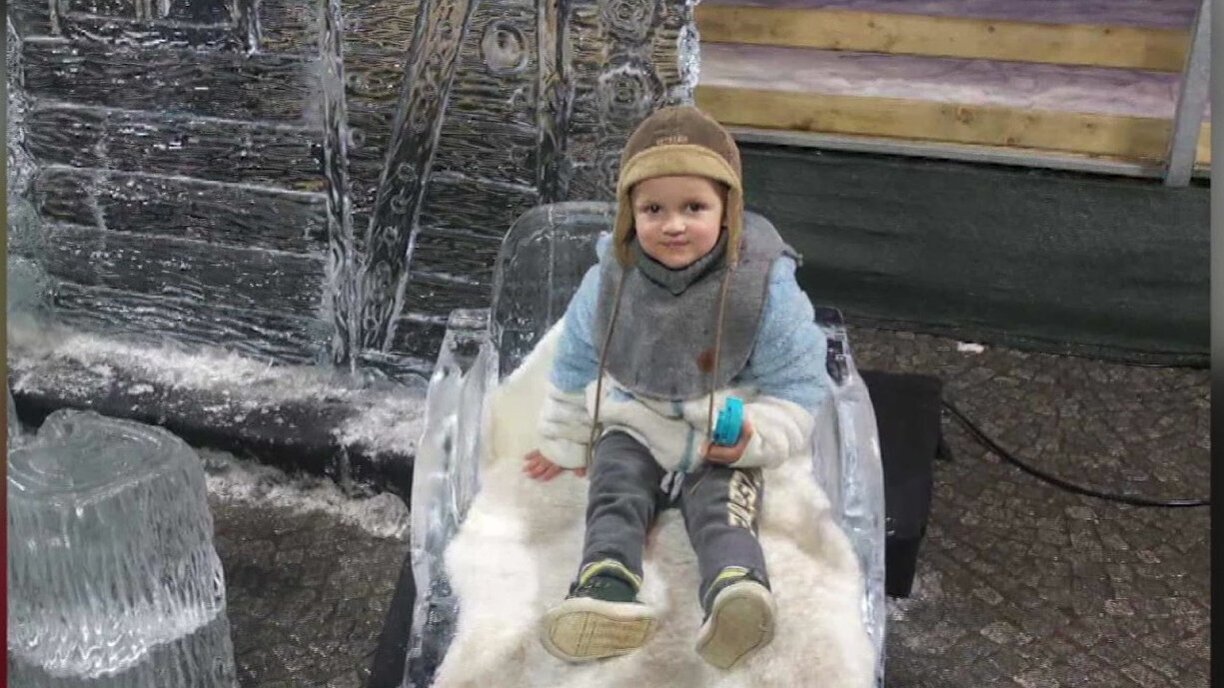
The fifth day of the trial on the tragic accident at Luxembourg City's Christmas market in 2019 was given over to the defence on Monday. The collapse of an ice sculpture at the Knuedler killed young Emran and left others injured, and four individuals now stand accused in connection with the incident.
The lead sculptor's lawyers requested a fine rather than a custodial sentence, while the lawyers for the two other sculptors called for full acquittal, arguing that their clients were simply following instructions. The lawyer for the Luxembourg City Tourist Office (LCTO) scheduler who commissioned the sculpture also sought his client's acquittal.
At the heart of the defence's case was the argument that the Tourism scheduler could not reasonably have foreseen the safety risk posed by the sculpture, given the information available to him at the time. The sculptor's quote had described, succinctly, a "live sculpture using 2.2 tonnes of ice", with one option being "a 2.5-metre-high chalet-style backdrop featuring Santa Claus having coffee on a terrace with several seats for the audience."
Nothing in that description, the defence argued, indicated that the finished piece would consist of several distinct elements, including a facade 2.5 metres high but only 25 centimetres deep, with a centre of gravity that sat dangerously off its base. The lawyer invited the court to picture it as "a slice of bread placed vertically." By contrast, the ice polar bear delivered by the same sculptor the previous year, also two metres high, had rested on a wide and stable base.
Expert reports presented during the trial identified the slope of the Place Guillaume II and the improper installation of the sculpture on its pallet as contributing factors, but did not list the height of the sculpture itself as a cause of the accident. The fact that the sculpture's height was highly problematic only become clear through the subsequent investigation, once everyone had seen the sculpture in its final form. According to the LCTO scheduler's lawyer, his client therefore had no grounds to request a risk analysis from the relevant technical departments at Luxembourg City's municipality. He was no better placed than they were to foresee the danger, despite their more advanced technical expertise. The sculpture had, moreover, been installed within the perimeter set by the City's market department.
The defence also challenged the amounts of compensation sought by the civil parties, in particular the legal fees and procedural costs claimed on behalf of the eleven members of Emran's family. The family's lawyer joined the proceedings as a civil party only after witnesses and defendants had been heard the previous week, without having intervened at any earlier stage of the trial or the preceding proceedings. One defence lawyer calculated that the fee being claimed would amount to approximately €77,000 simply for attending the hearing, corresponding to an hourly rate of over €1,000. He argued that this was excessive and that the amounts should be reduced.





