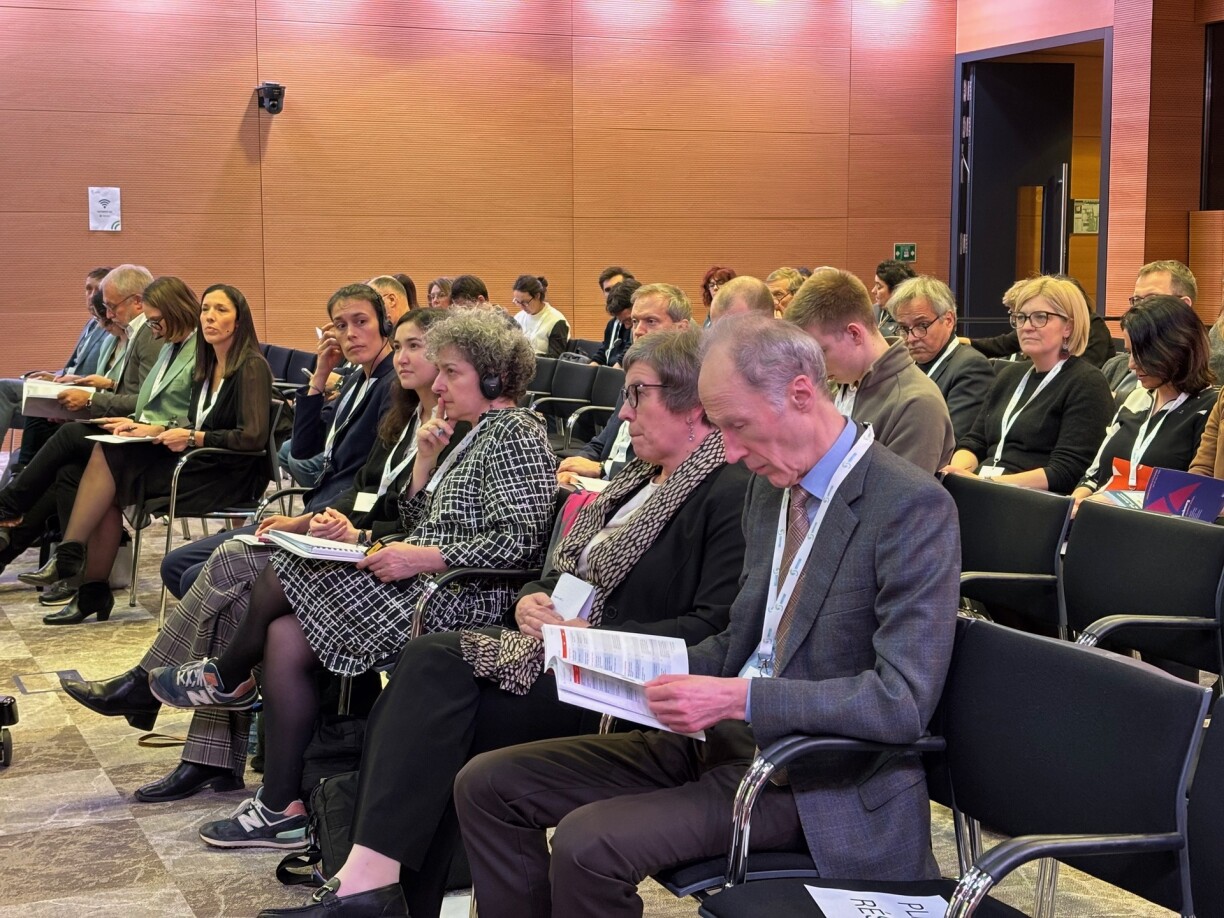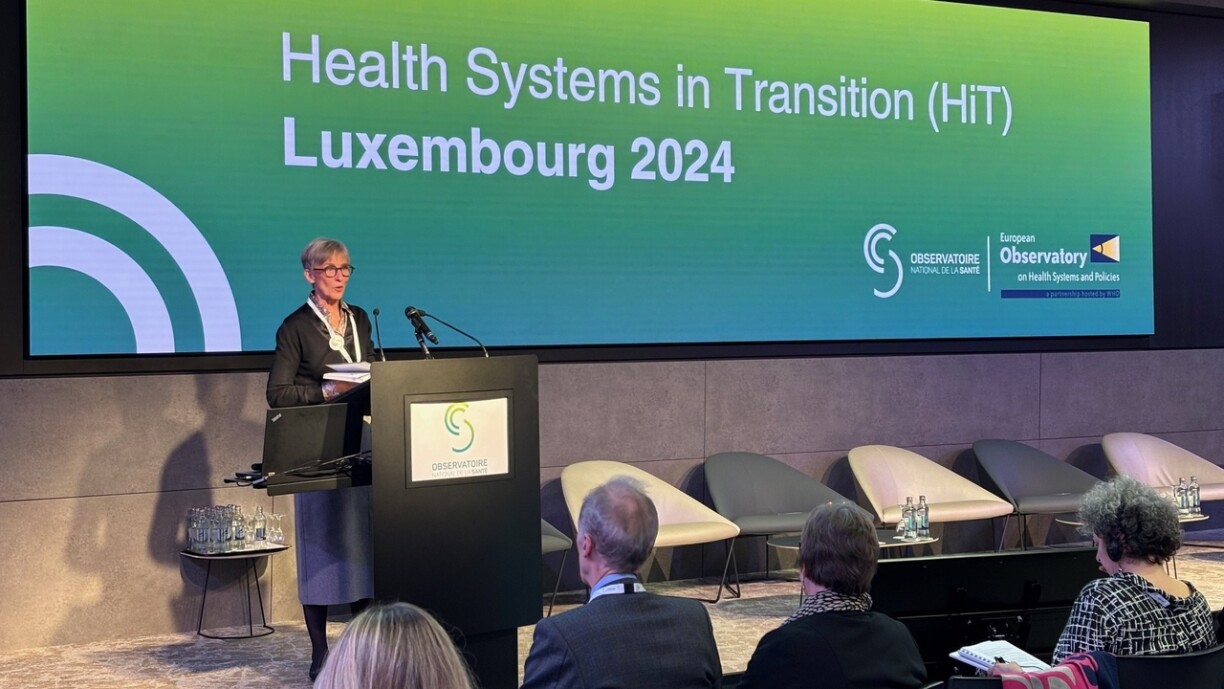
According to a new report unveiled by the National Health Observatory on Wednesday, Luxembourg in 2021 spent an average of $7,515 per capita on healthcare, ranking fifth out of 50 European countries and making the Grand Duchy one of the highest-spending countries across Europe in terms of healthcare.
According to the Observatory's Katharina Rausch, this is due to the high number of insured people in the country, as well as the "relatively" elevated reimbursement rate. However, she also warned that other countries manage to achieve similar results at much lower costs, pointing to inefficiencies in Luxembourg' system.
Rausch continued that there is no shortage of ways to make healthcare more cost-effective, particularly in terms of prevention and primary care. She suggested that patient habits strain the system in general and emergency rooms in particular, with notable tendencies of skipping a visit to the pharmacy or GP in favour of immediate consultations with specialists.
Catherine Goetzinger, also from the National Health Observatory, echoed this concern, stressing that "the GP should be the first point of contact in the healthcare system".
Read also: GP shortage, patient habits strain Luxembourg's healthcare offer
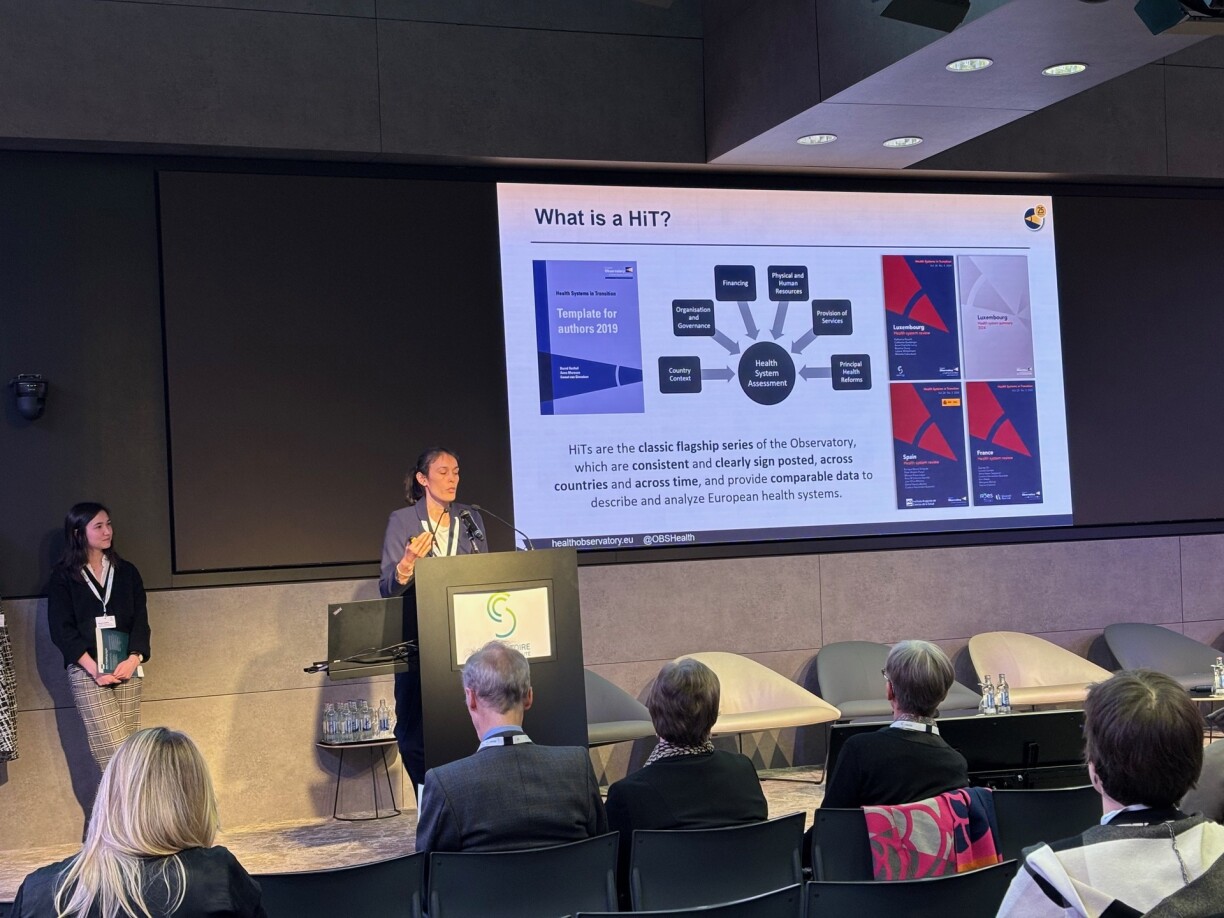
It is unclear how many doctors practice in Luxembourg in specific sectors given that authorities do not keep track of exact figures. The most recent statistics date back to 2017, but efforts are now underway to catch up and also make pertinent information more accessible.
There are a total of 2,640 hospital beds in Luxembourg, with a 70% occupation rate at present – although people in Luxembourg tend to stay in hospital longer than the average European patient.
Dr Françoise Berthet, President of the National Health Observatory, explained that Luxembourg's small size and open borders pose additional problems amid a general "dependence on neighbouring regions". Though she said that this dependence works both ways, she noted that the use of Luxembourg's healthcare system by cross-border commuters is on the rise.
According to Berthet, the National Health Observatory's report deliberately leaves the door open for politicians to draw their own conclusions to develop strategies and priorities for the future direction of our healthcare system.