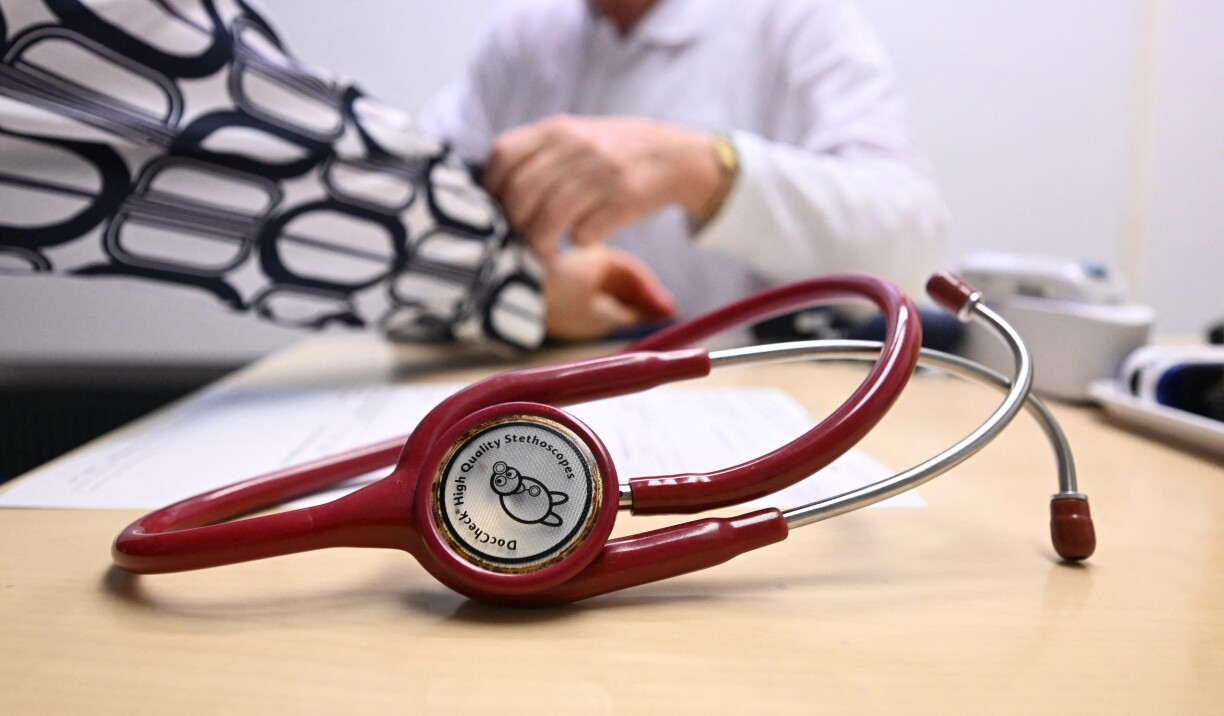
In a recent interview with RTL Radio, Dr Chris Roller, the president of the Association of Doctors and Dentists (AMMD), explained that nearly 30% of people in Luxembourg do not have a GP. One of the key reasons for this gap is a perceived lack of familiarity with primary medicine services among foreign residents.
Dr Kevin Prohaska from the Circle of GPs echoes this sentiment, noting that many do not seem to understand the role of GPs or how the Luxembourg healthcare system is structured.
Many people also bypass a GP and go directly to specialists, a trend that is becoming increasingly common in the Grand Duchy. In doing so, patients might miss a vital step since different symptoms can have a variety of underlying causes.
Dr Prohaska cites chest pain as an example: "It could be heart related, but it could also stem from lung issues or orthopaedic problems. That means a patient might assume that they need to see a cardiologist because they fear the worst."
A GP, according to Prohaska, takes a more holistic approach to diagnosis and can then refer the patient to an appropriate specialist when necessary.
Moreover, GPs can also perform blood tests, ultrasounds, and minor surgeries such as stitching wounds if they are equipped for it.
Luxembourg is suffering from a shortage of general practitioners. While 800–900 doctors are officially registered with the Medical College, Dr Prohaska estimates that only 200–300 actively work in primary care and that double that number would be necessary.
Equally, the situation might be further exacerbated by the fact that many current GPs are approaching retirement age.
Health Minister Martine Deprez has proposed several measures to address the long-standing issue, including a new communications network for GPs, hospitals, and specialists. According to Deprez, many GPs are already organising themselves into small medical centres where four to five general practitioners work together.
"We plan to launch a campaign that raises awareness about the role of GPs and helps people understand who to turn to for medical care", she summarises.
Prohaska advocates for the introduction of an actual health education course in schools. He laments that many people do not seem to even keep basic medicine like paracetamol at home anymore and do not know how to deal with fever or stomach pain.
Self-diagnosis using the internet also further adds to unnecessary anxiety, so a dedicated school subject on health literacy could "make a big difference", Prohaska says.
Dr Prohaska also stresses the need for an updated digital patient system, which he thinks would be especially useful for managing patients with chronic illnesses. The situation is further exacerbated by the fact that efforts to create a universal digital system in Luxembourg have mostly created tensions in the sector in recent year.
"Some patients list us as their primary physician, yet we cannot access their records due to system limitations. Such information blockades pose significant challenges, particularly for elderly patients who rely on well-maintained medical records", says the GP from Hosingen.
Finally, Luxembourg's high real estate prices also make it difficult to attract young GPs from abroad. Dr Prohaska highlights the income disparity between GPs and specialists as a further deterrent for students to choose primary care as a profession.





