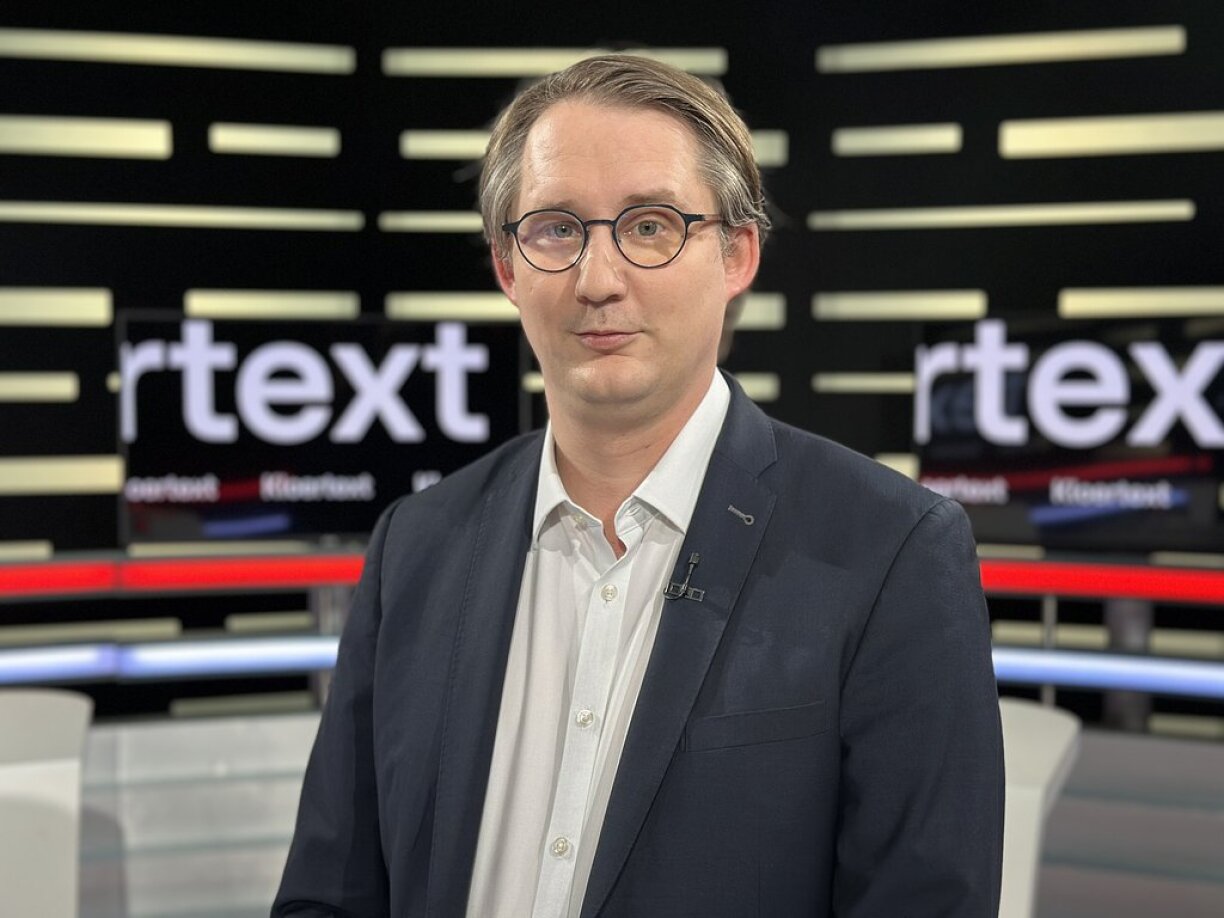
Luxdefence, the association representing companies active in the defence sector, has now been in existence for around a year.
Luxembourg wants to expand the industry so that not all of the additional spending required under increased NATO targets flows abroad. But according to André Wilmes, president of the non-profit association, which has 140 members, the sector still faces a number of difficulties.
One of these is the difficulty faced by companies looking to establish themselves in Luxembourg, or launch a new activity in the defence sector, when trying to open a bank account. Wilmes described the situation as "catastrophic".
He acknowledged that defence remains a relatively new area for banks, accountants, and insurers, some of which have had to adapt their internal policies and risk and compliance procedures. "They have not dealt with many defence clients before", he said, adding that he could understand why the adjustment was taking time.
But the problem is hampering efforts to turn planned projects into reality.
Opening bank accounts "was, and still is, a major problem", Wilmes said. The issue became increasingly urgent as the sector moved beyond planning towards actual implementation: "You need functioning bank accounts and operational companies."
A dedicated working group has therefore been addressing the issue with banks. Wilmes said there had been tangible progress and that the situation was better than in the past, although it remained a significant problem. "With a little optimism and courage, hopefully it will be resolved soon."
The damage to Luxembourg's reputation, however, has already been done. Within the relatively small international defence industry, word of such experiences spreads quickly.
Wilmes said there had been "some really major blunders", including cases where companies were unable to open bank accounts or even had existing accounts closed. In some instances, he said, this happened despite investments worth tens of millions of euros being "ready to come to Luxembourg".
Across several cases, Luxembourg had missed out on investments totalling "slightly more than €100 million", he added. "Those are considerable amounts for a market like ours."
Wilmes said there was a regrettable gap between the government's official messaging on the sector and the reality on the ground.
Companies, the Luxembourg Trade and Investment Board (LTIO), the Foreign Ministry, and promotional agencies are all making substantial efforts to attract defence-related business to Luxembourg, he said. But if projects then run into difficulties when it comes to implementation, "the two simply do not match up, and that is not good".
Defence companies are also facing the same shortages of staff and suitable premises as businesses in other sectors.
Some businesses have resorted to fitting small workshops into their own office buildings, even on upper floors, Wilmes said. "We have genuinely reached that point."
The planned Defence Hub could provide some relief, he added, but "it will not solve the shortage of space on its own".
Luxdefence is still waiting for details on when the various parts of the planned Defence Hub at the Liberty Steel site in Dudelange will become operational.
Other factors, Wilmes stressed, nevertheless work in Luxembourg's favour as a location for defence companies. These include the country's multilingual workforce, its logistics infrastructure, and the efficient organisation of export licences.





