Here are five things you should know at the end of this week:
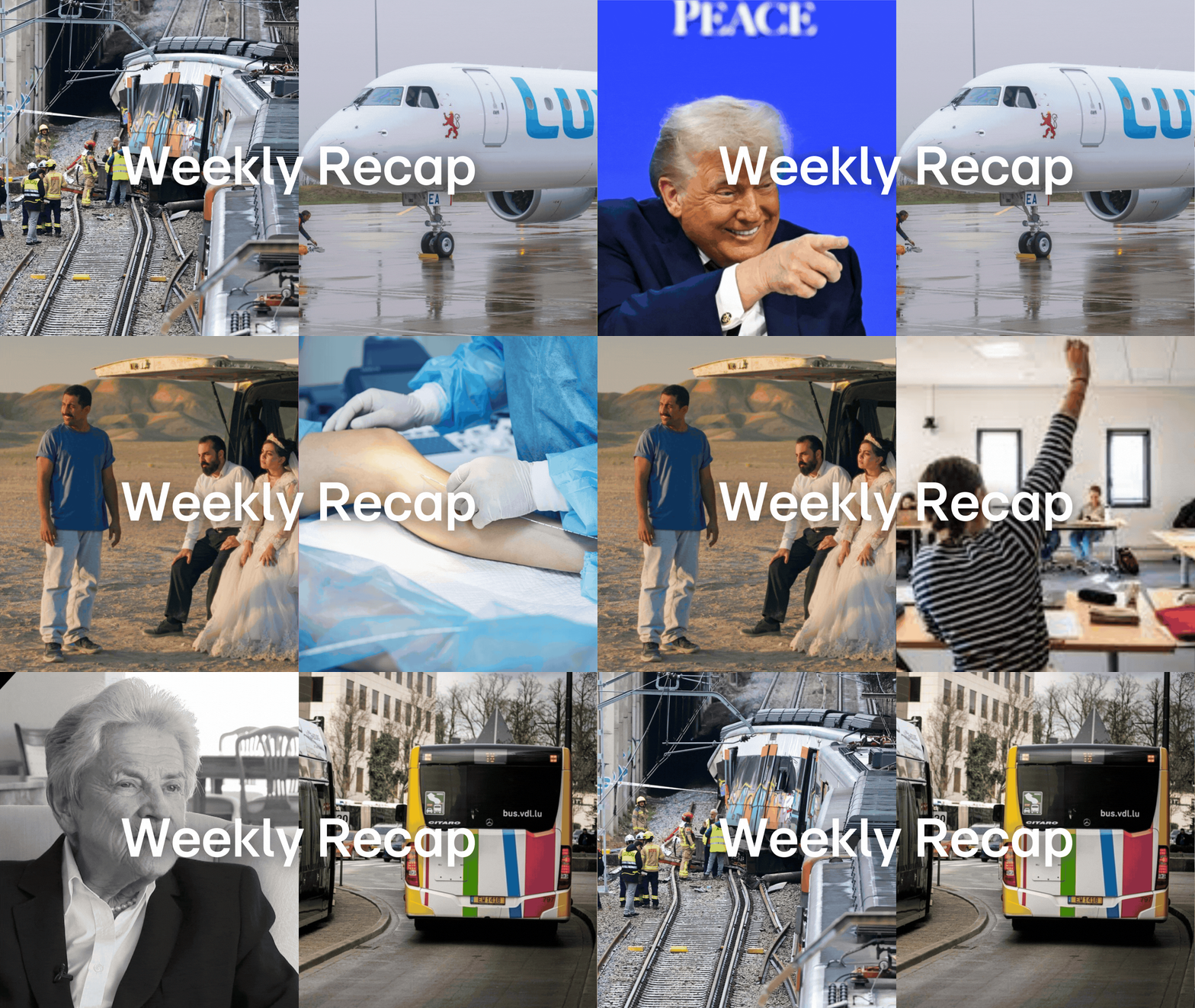
New aircraft, early setback – The Milan-bound flight LG6991, carrying 37 passengers, returned to Luxembourg less than an hour after departure after an issue was reported shortly before its scheduled arrival time. Emergency services were placed on standby as a precaution, but the situation remained calm, with no smoke, no evacuation and no injuries reported. The aircraft involved was a brand-new Embraer E195-E2, delivered to Luxair only in November, making the incident particularly sensitive.
Reassurance amid speculation – At first Luxair declined to specify the nature of the issue, stressing that not all diversions are linked to technical faults. As online speculation grew, CEO Gilles Feith publicly defended the aircraft in radio and television interviews, describing the return as an "absolutely standard procedure" and insisting the E195-E2 remains central to the airline’s long-term strategy. He acknowledged that the warning was technical but said the crew could have continued safely, adding that extra caution is applied with new aircraft.
Separate incident adds pressure – On Thursday, attention intensified when a Luxair-operated Havilland Q400 flying from Luxembourg to Nice was forced to make an emergency landing after a sensor indicated a problem with the right landing gear. The aircraft circled for more than an hour before landing safely, with all 74 passengers uninjured. As a precaution, the right engine was shut down and passengers were instructed to assume the brace position. While unrelated to the Embraer fleet, the incident added to a difficult week for Luxair, even as the airline repeatedly stressed that precautionary measures and emergency procedures are a normal and essential part of modern aviation safety.
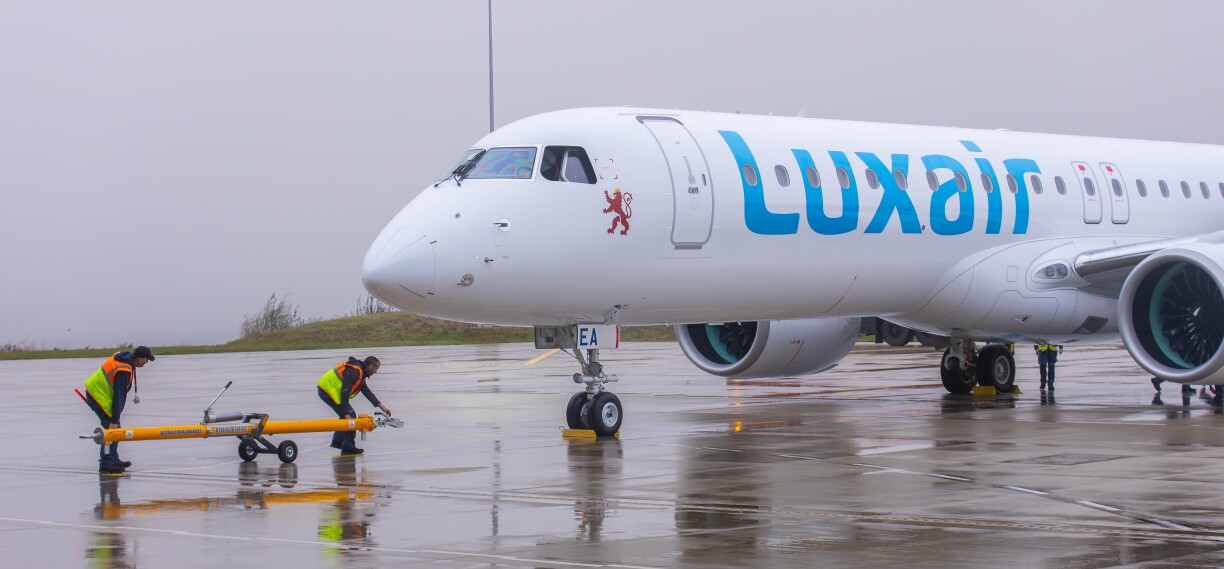
Allegations raised – The case came to light after six doctors from the Centre Hospitalier de Luxembourg sent a formal letter in early January warning of repeated discrepancies in knee surgery cases treated at CHL after operations carried out at HRS. According to the document, patients had undergone ligament reconstruction despite later examinations showing their ligaments were intact, suggesting the procedures were not medically justified.
Internal action – HRS confirmed that the surgeon was suspended internally as a precautionary measure once the allegations were known, stressing that patient safety and due process were central to the ongoing internal procedure. The hospital said the process involves medical management, independent expertise and the right of the doctor concerned to be heard, in line with labour law and legal obligations.
Ministerial review – The case has since been escalated to the Health Ministry, with Minister Martine Deprez now reviewing the file. Under current legislation, the minister can impose a temporary suspension of up to three months if a doctor is deemed to pose an imminent risk to patients. While the presumption of innocence applies, the case has also been referred to the Medical Council, and a decision from the ministry is expected shortly. In the meantime, the duration of the suspension is not publicly known, though the doctor may continue to see patients in private practice consultations.
On Friday morning, the lawyer for the doctor issued a press release calling the suspension a 'serious breach of the fundamental principles of the rule of law'.
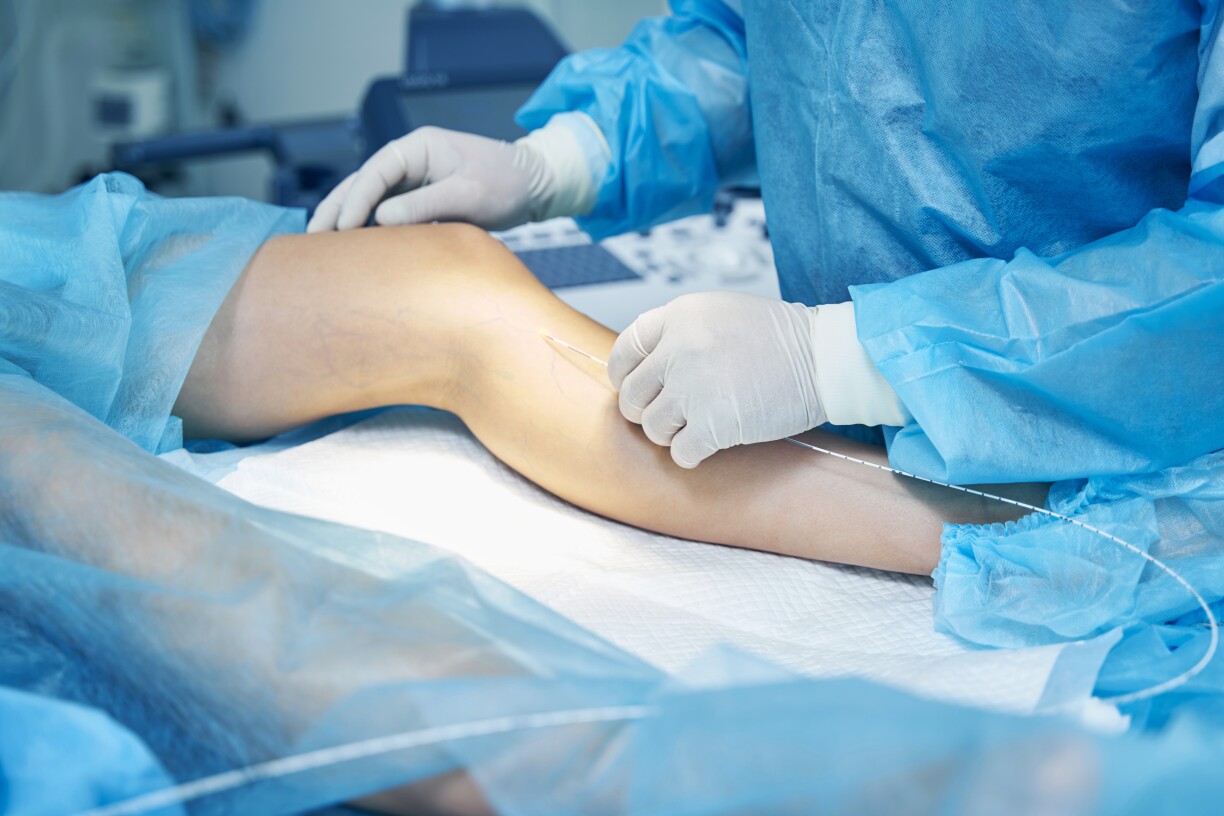
From sport to politics – Before entering political life, Flesch was an accomplished fencer who represented Luxembourg at three Olympic Games and won a bronze medal at the 1958 Junior World Championships. She later said her move into politics in 1968 was unplanned, describing it as something that "just sort of happened", even though her interest in public affairs had long existed alongside her passion for sport.
Breaking new ground – After entering parliament in 1969, Flesch made history in 1970 as the first woman elected mayor of Luxembourg City, a role she held for a decade. She later became president of the Democratic Party and joined the national government as Deputy Prime Minister and Minister of Foreign Affairs, also overseeing the economy and justice portfolios until 1984.
A European dimension – Alongside her national and local roles, Flesch maintained a strong European presence, serving multiple terms as a Member of the European Parliament and later as a Director-General at the European Commission. She retired from municipal politics in 2007 to a standing ovation and fully stepped back from public life in 2009, closing a career of more than 40 years dedicated to public service.

Davos as theatre – Returning to Davos after six years, Trump turned the forum into a showcase of personal authority, from his speech proclaiming the greatness of his presidency to carefully staged moments with world leaders. His abrupt shift on Greenland, after days of alarming rhetoric, briefly reassured markets and delegates but reinforced his reputation for unpredictability. Even as tensions eased, uncertainty lingered over what his next move might be.
Greenland gamble – Trump initially doubled down on claims over Greenland before unexpectedly ruling out the use of force, later announcing a “framework of a future deal” and lifting sanction threats against European countries. Critics branded the reversal another 'TACO' moment (Trump always chickens out), while supporters framed it as deal-making by design. For US allies, the episode highlighted how quickly Trump can escalate and de-escalate international crises.
Peace, Trump-style – The unveiling of the 'Board of Peace' underscored Trump’s push to reshape diplomacy on his own terms, with himself holding final authority and permanent leadership. While framed as a conflict-resolution body starting with Gaza, the board’s structure, cost of membership and invitation list fuelled doubts about credibility and intent. With key European allies absent and questions over funding and purpose unresolved, scepticism overshadowed Trump’s claim that the board could rival or complement the United Nations.
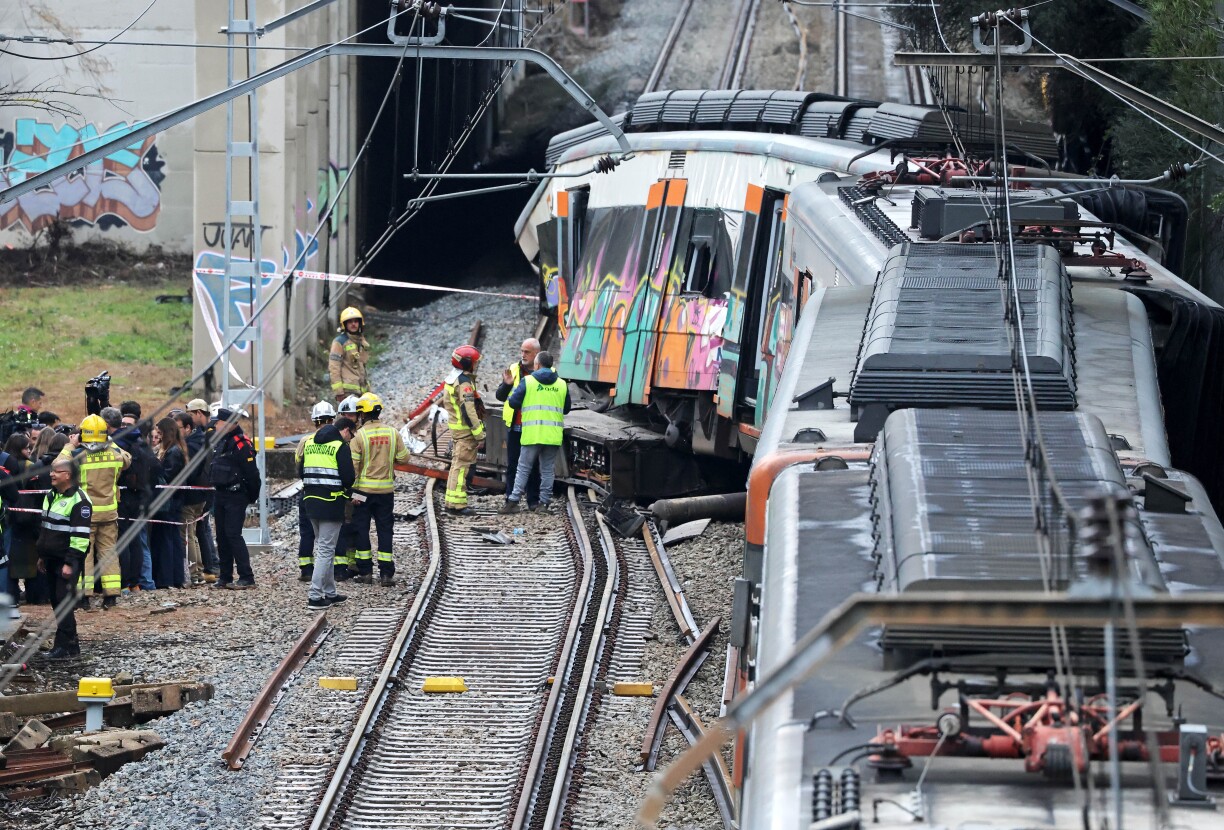
Deadliest in years – Spain is reeling after a high-speed train operated by Iryo derailed near Adamuz in Andalusia, crossed onto another track and collided with an oncoming service. At least 43 people were killed and more than 120 injured, marking Spain’s worst rail disaster since 2013. The crash occurred on a straight section of track and within speed limits, prompting investigators to focus on possible infrastructure or rolling stock failures rather than human error.
Accidents multiply – Shock deepened when a commuter train near Barcelona struck rubble from a collapsed retaining wall, killing one person and injuring dozens, followed days later by another incident in Murcia where a train hit a crane, leaving several lightly injured. While authorities say weather and external factors played a role in the later crashes, the succession of incidents has unsettled passengers and raised questions about maintenance and oversight across the network.
Pressure on rail system – As Spain observes national mourning, train driver unions have announced a February strike, arguing that “constant deterioration” of infrastructure is unacceptable. The government, led by Prime Minister Pedro Sánchez, has promised a full and transparent investigation, while rail operators Renfe and infrastructure manager Adif maintain that sabotage and human error have largely been ruled out. For many, however, the week’s events have shaken confidence in one of Europe’s largest high-speed rail systems.
Your Weekly Recap is published every Friday at noon.
Read earlier versions here.





