Individuals who have survived a serious illness often continue to face long-term consequences in the form of higher insurance premiums or difficulty securing a mortgage. A draft bill tabled by the Luxembourg Socialist Workers' Party (LSAP) seeks to address this by introducing a legal "right to be forgotten".
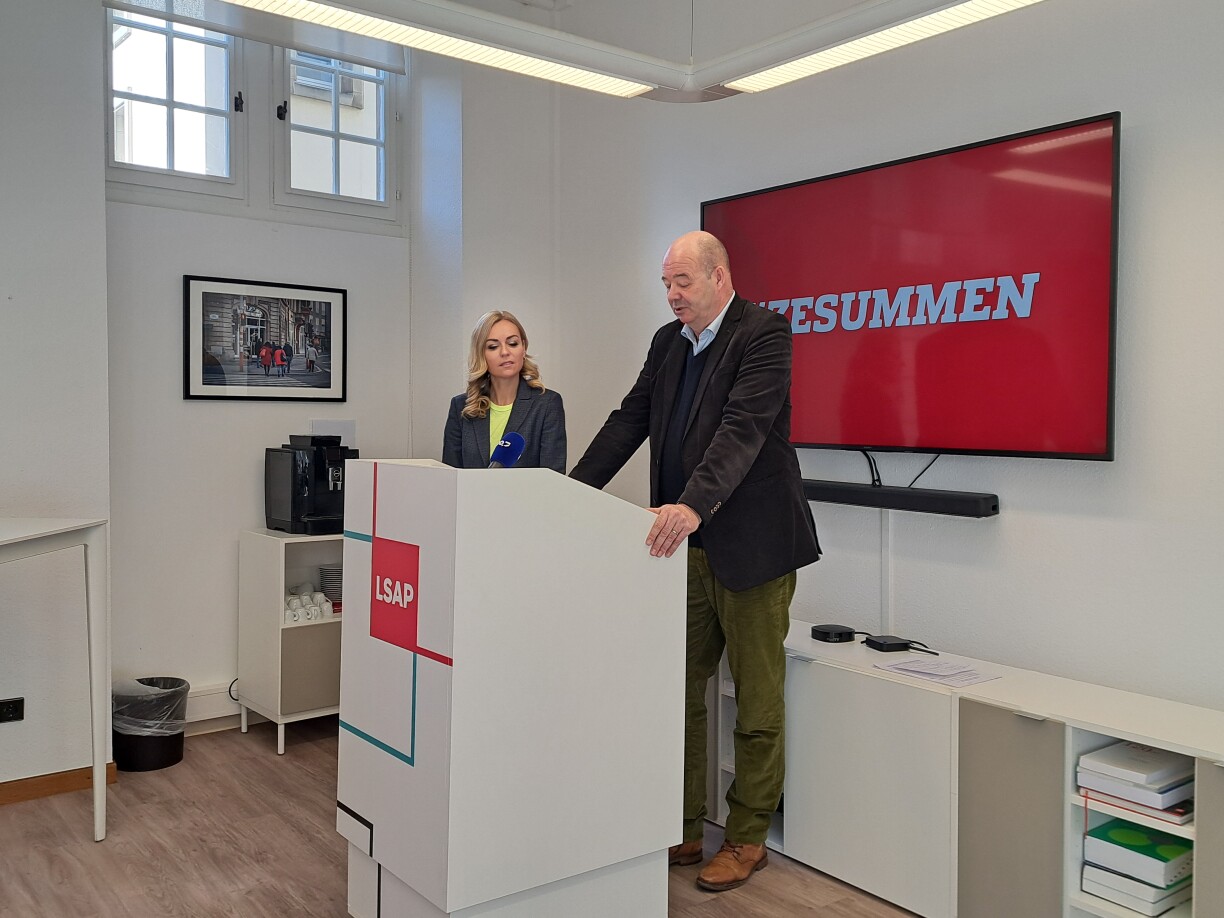
Speaking at a press conference, LSAP parliamentary group leader Taina Bofferding stressed that the issue is fundamentally one of solidarity. Currently, the matter is governed by an agreement between the Luxembourg Insurance and Reinsurance Association (ACA) and the Ministry of Health. However, this agreement is based on voluntary participation, applies only to mortgages, and includes a €1 million cap for payment protection insurance. The LSAP's proposed legislation would extend the right to be forgotten to other types of loans requiring insurance.
The key change introduced by the draft bill is to replace the current voluntary system with a legally binding framework. The text draws on existing laws in neighbouring countries, including Belgium and France, where similar legislation is already in place.
LSAP MP Claude Haagen explained that the aim is to ensure that people who have already suffered due to illness and subsequently recovered are not later penalised because of their medical history. He noted that advances in medicine have significantly improved recovery rates. For this reason, the LSAP argues that it should be a legal right for past illnesses to be disregarded when entering into insurance contracts.
The opposition party also proposes expanding the list of diseases covered. Rather than enshrining a fixed list in the bill, the LSAP suggests establishing a follow-up committee to review and update the list every six months. This committee would include representatives from the insurance sector, the National Health Directorate, the Consumer Protection Association, and medical experts.
Bofferding and Haagen emphasised that they do not consider the issue to be partisan. They expressed optimism that the draft bill would find cross-party consensus in the Chamber of Deputies and be adopted unanimously.
It remains unclear how many people in Luxembourg are considered fully recovered after a serious illness. In the case of cancer, the Grand Duchy records approximately 3,400 new cases each year, with an estimated 18,000 people currently living with the disease.





