The Luxembourg Institute of Socio-Economic Research (LISER) is launching its new "Policy Lab" on Wednesday, an initiative designed to assess the effectiveness of political decisions and public policies. The lab aims to provide policymakers with evidence-based insights to help them develop more effective and targeted measures.
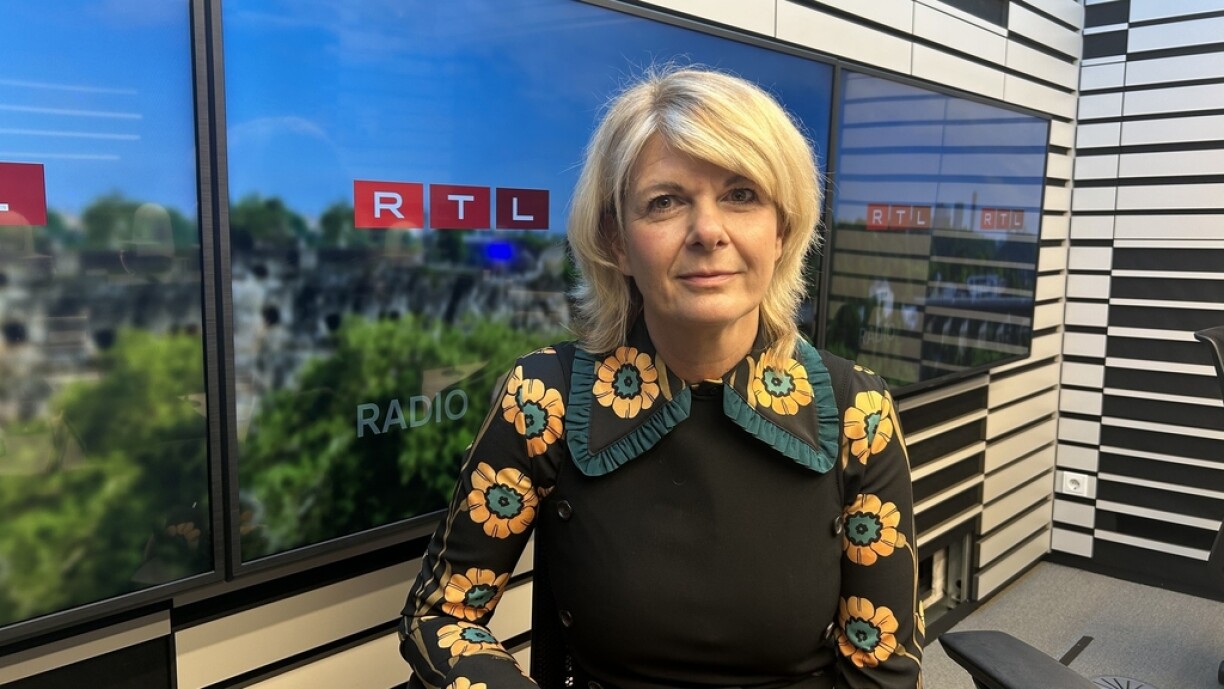
Aline Muller, LISER's Director General and an economist by training, explained in an interview with our colleagues from RTL Radio that the Policy Lab reflects LISER's mission to ensure its research delivers tangible value to society.
The Policy Lab functions as a simulator to evaluate the potential impact of public measures. While similar analyses have been conducted in the past, this initiative introduces a more structured and proactive approach. Muller emphasised the importance of using public funds wisely and efficiently, based on scientific evidence rather than intuition or assumptions. "Public funds, which are not infinite, must be used intelligently and with maximum efficiency", she said, adding that policy making should not resemble "playing the lottery."
Although politicians did not explicitly request the creation of the Policy Lab, the concept has been discussed extensively. Muller assured that the final decision-making power remains with policymakers. For example, the Ministry of Foreign Affairs has already requested an analysis of Luxembourg's cooperation policy to determine whether current programmes meet their objectives.
One of LISER's most frequently cited studies is its 2018 analysis of the impact of retail sector opening hours, commissioned by the Ministry of the Economy. Muller noted that while this study is often referenced, it is based on outdated data. "A lot has changed in the retail sector since then. Consumption habits are very different today, as are working conditions", she said, expressing regret that the debate continues to rely on old information. However, she also emphasised that so far, a new report has not been requested.
LISER's analyses of socio-economic trends in Luxembourg come at a time of global uncertainty and turbulence. While the Luxembourg economy is performing relatively better than many others, Muller warns that "many warning lights are flashing".
Luxembourg, she notes, is "a small, open economy with a solid base but significant challenges for the future". To address these challenges, effective measures will need to be implemented swiftly. "We are an economy that was designed to be extremely expansive. Now, we need to improve our productivity and competitiveness", Muller explained.
She emphasised the importance of supporting businesses in their technological advancement to drive this transition. "It is crucial to help companies adopt new technologies and ensure this shift is guided by facts and scientific rigour", she said.





