Here's 5 things you should know at the end of this week:

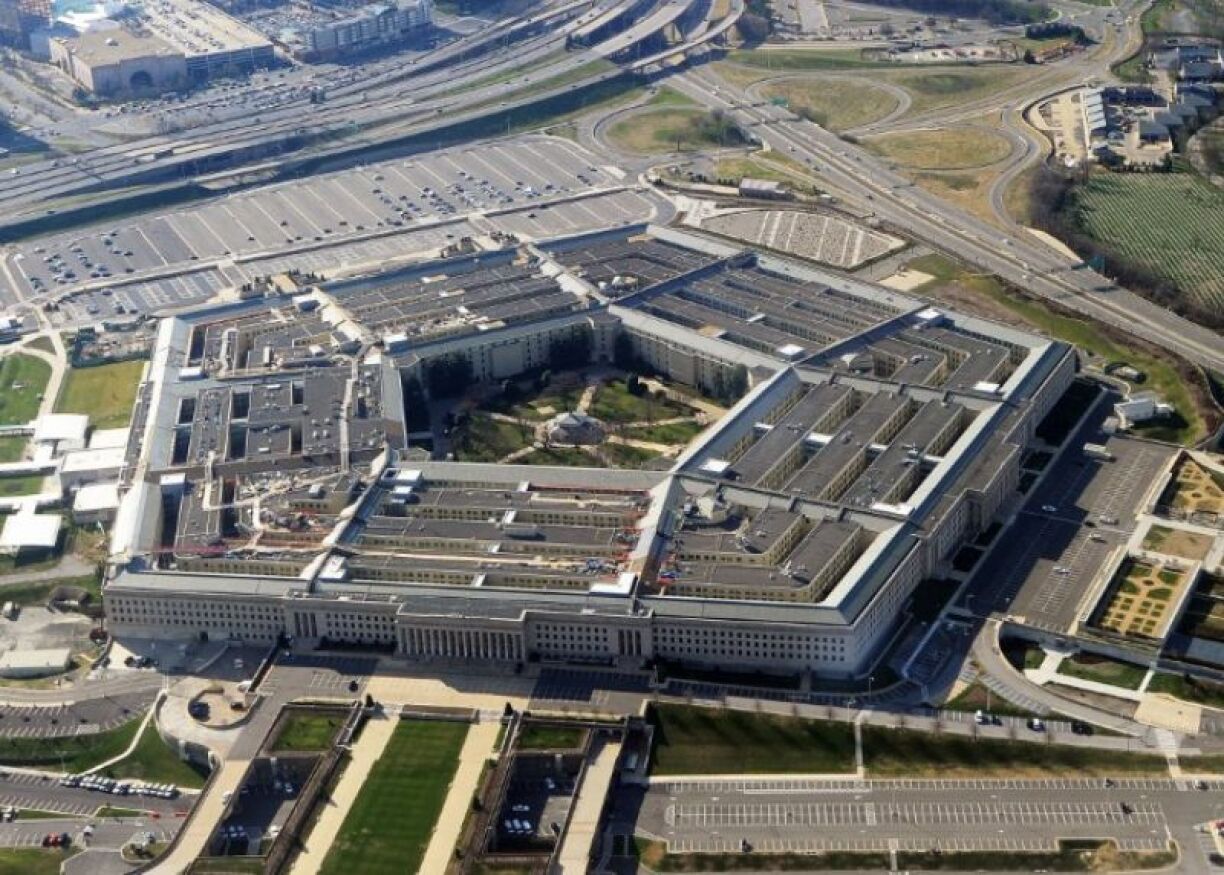
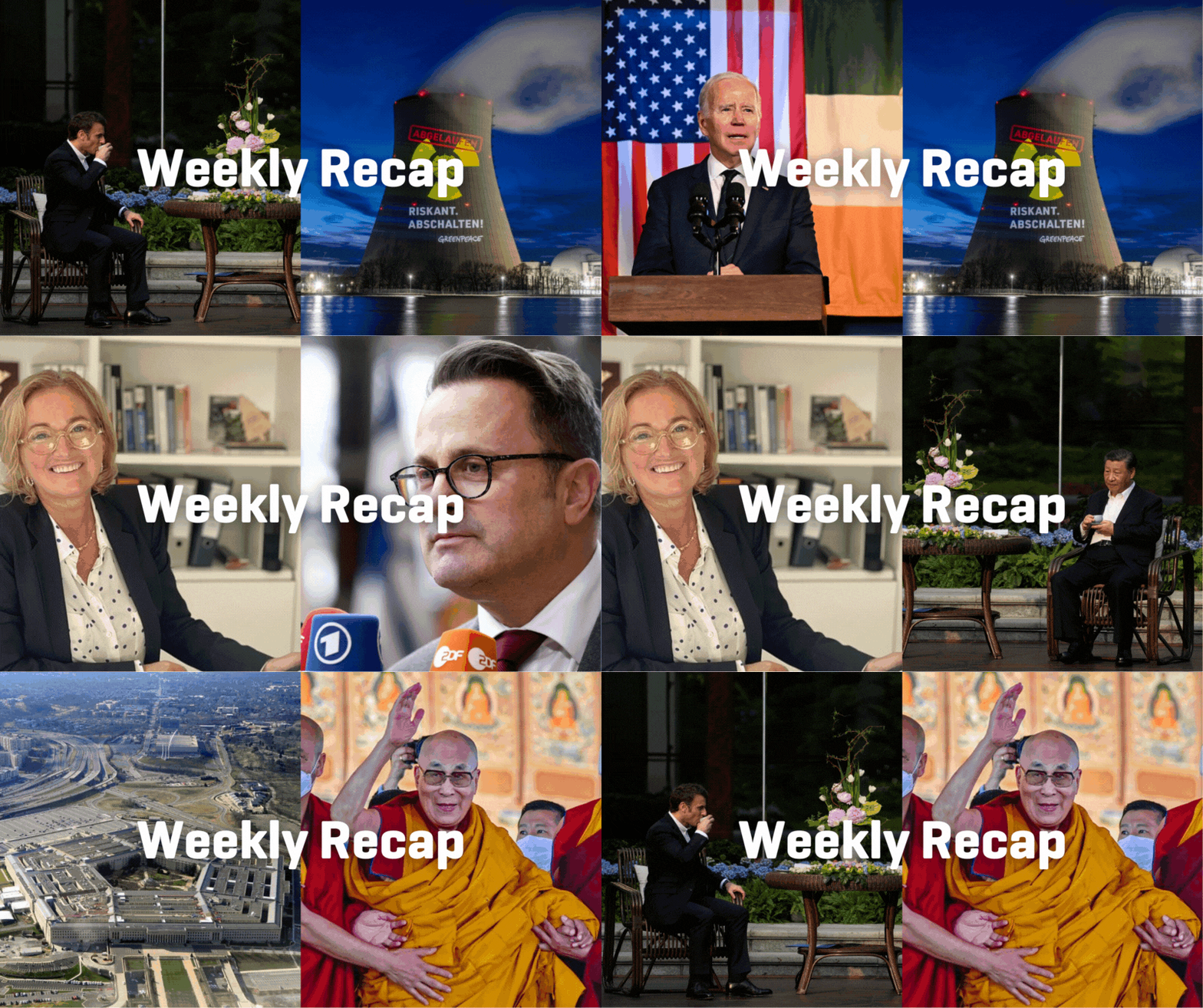
The leak of highly sensitive US documents -- many of them related to the Ukraine conflict -- presents a "very serious" risk to US national security, the Pentagon said Monday.
A steady drip of dozens of photographs of documents have been found on Twitter, Telegram, Discord and other sites in recent days, though some may have circulated online for weeks, if not months, before they began to receive media attention last week.
Classified information - The apparent leak of a trove of highly classified US documents -- including many related to the Ukraine conflict -- has triggered a criminal investigation as well as a multi-agency effort to assess the potential fallout.
What are the documents about? - Many relate to the war in Ukraine: One provides information about the status of the conflict as of early March, including Russian and Ukrainian casualties, while others detail the situations on specific fronts such as the battleground city of Bakhmut.
Other documents aren't related to the Ukraine and point to US surveillance of its allies. One such document states leaders of Israel's Mossad intelligence agency advocated for domestic protests against a controversial Israeli judicial reform plan that would have given lawmakers substantially more control over the supreme court.
Still assessing if they are genuine - The Pentagon says it is working to "assess the validity of the photographed documents that are circulating on social media sites," but admitted they "appear to contain sensitive and highly classified material."
'Fabricated' - South Korea on Tuesday said a "significant portion" of leaked US intelligence documents indicating concerns in Seoul about arms supplies to Ukraine were fake.
Reassuring allies - Top US diplomat Antony Blinken and defense chief Lloyd Austin spoke with their Ukrainian counterparts on Tuesday as Washington seeks to reassure its allies after a leaked trove of highly sensitive documents appeared online.
Who leaked them? - On Wednesday The Washington Post reported that the person behind a leak of highly sensitive US government documents relating to the Ukraine war and US allies worked on a military base and shared the material in a private online group.
The man, who went by the nickname "OG", regularly posted documents in the group for months, the group members told the newspaper, speaking on condition of anonymity.
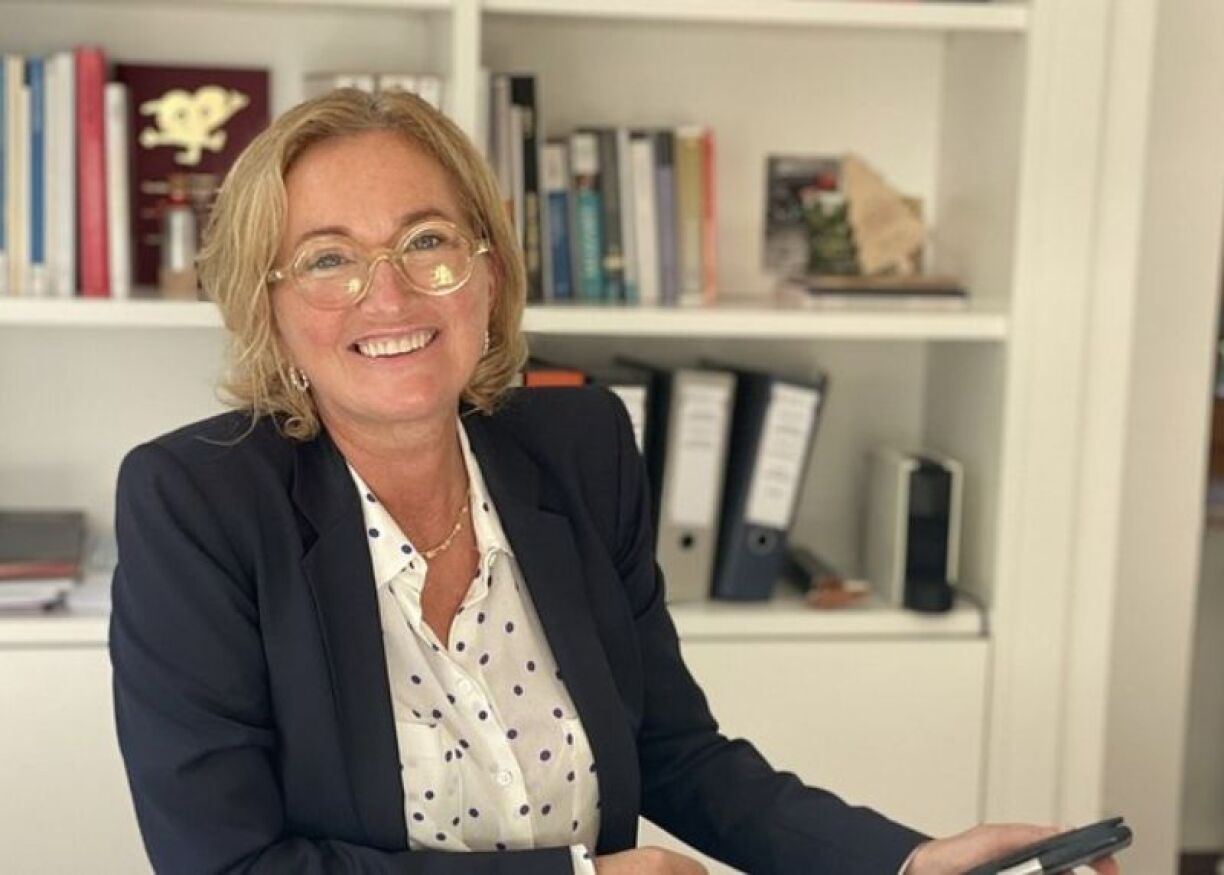
In conversation with RTL on Wednesday, Minister of Health Paulette Lenert described herself as ready to take on the role of Prime Minister and expressed her opposition to the privatisation of the healthcare system.
Luxembourg Prime Minister Xavier Bettel hinted at a re-election bid in an interview with RTL last Friday evening, ahead of the upcoming 2023 general election.
Although Bettel refrained from explicitly confirming that he would run for a third term as Prime Minister, he acknowledged that he still has a desire to work "with and for people".
A little doubt - With six months to go before people deliver their final verdict on the DP-LSAP-Greens coalition in the legislative elections, Bettel has still avoided directly answering the question of whether he will head the list of the Democratic Party on 8 October.
Campaign programme - Bettel confirmed that he considers some positions a clear "no-no", including the introduction of a 35-hour work week or the increase of corporate and inheritance taxes.
Out of their hands - Bettel continued by saying that "voters will decide what the balance of power will be on the evening of 8 October" and that any potential coalition will depend on the content of the electoral programme.
Any potential coalitions? - While ruling out the option of working with extremes, regardless of whether they be on the left or the right, PM Bettel does not exclude the possibility of coming to an agreement with the Christian Social People's Party (CSV) or continuing the current tripartite coalition. "There is chemistry with the LSAP and the Greens", argued the PM.
LSAP lead candidate - Lenert was unwilling to speculate on potential coalitions, not excluding any of the parties but highlighting the content of her agenda.
Unexpected opportunity - After LSAP's Deputy PM Etienne Schneider stepped back from politics at the very beginning of 2020, Franz Fayot took over as Minister of the Economy and Paulette Lenert as Minister of Health. Little did anyone know at the time that Lenert was poised to become the centre of attention due to the unfolding of the Covid-19 pandemic.
The people of Luxembourg seemed to believe that she rose to the occasion, and found reassurance in her regular TV appearances. Polls confirmed her growing acclaim soon after as she overtook LSAP colleague Jean Asselborn in terms of popularity.
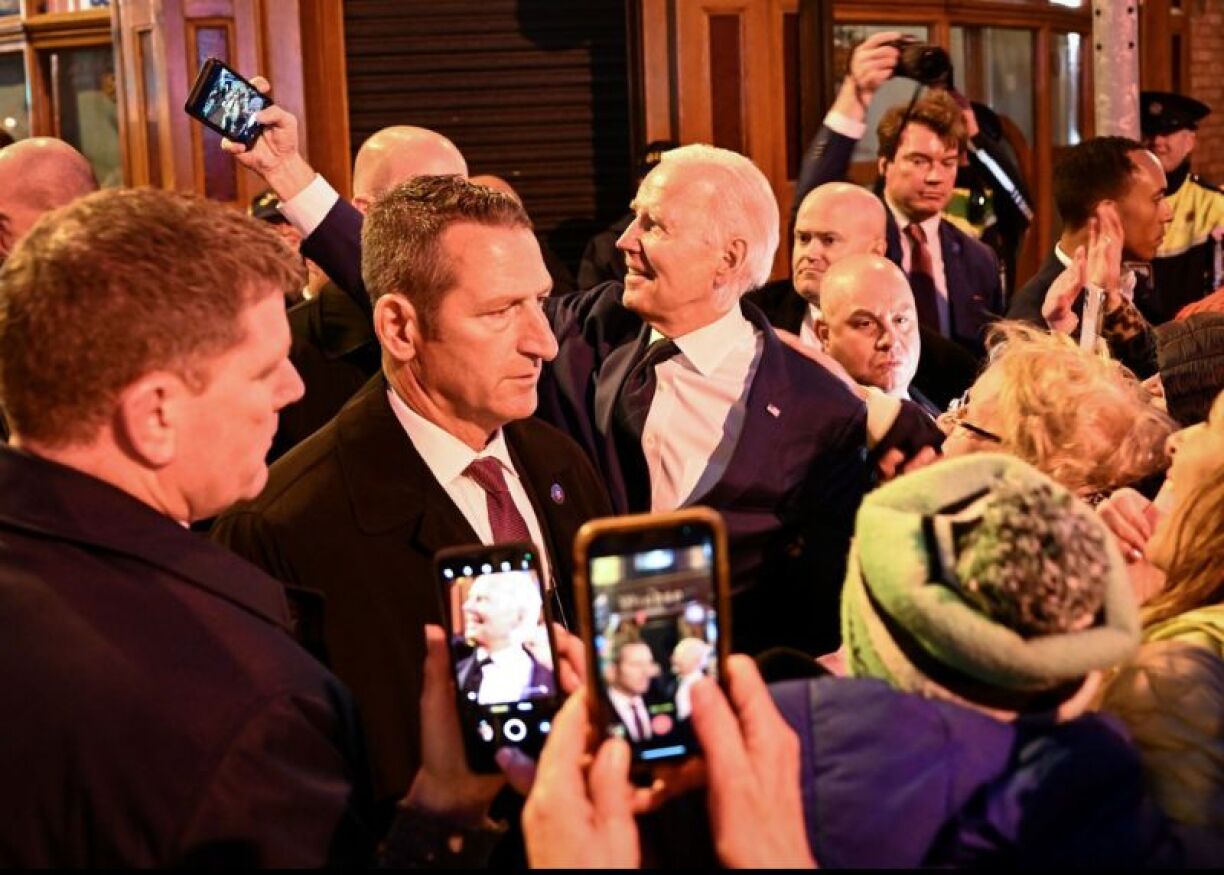
US President Joe Biden arrived in Belfast on Tuesday to launch high-profile commemorations of the 25th anniversary of the deal that brought peace to Northern Ireland.
His one-night stop in Belfast had been shadowed by recriminations of pro-UK unionists, who accused him of harbouring "anti-British" feelings.
Fragile peace - The territory has been significantly reshaped since pro-UK unionist and pro-Irish nationalist leaders struck an unlikely peace deal on April 10, 1998 -- Good Friday, two days before Easter -- following marathon negotiations.
Brokered by Washington and ratified by London and Dublin, the Good Friday Agreement largely ended three decades of devastating sectarian conflict in Northern Ireland and intermittent attacks on mainland Britain.
The so-called "Troubles" killed more than 3,500 people. They pitted the province's then-majority Protestant unionists, wanting continued British rule, against Catholic republicans demanding equal rights and reunification with the Republic of Ireland.
But a quarter-century on, post-Brexit trade arrangements and demographic shifts are prompting political instability and violence by dissident republicans.
'I'm coming home' - Biden, who has Irish ancestry, travelled south on Wednesday to Ireland for a three-day visit, in part tracing his family history.
JFK - Biden, who is only the second Catholic president in America's history, addressed the Irish parliament, known as the Oireachtas, in Dublin, following in steps first walked by John Fitzgerald Kennedy.
Brexit - The Biden administration has been widely seen as keeping London at arm's length as the UK struggles to carve out a new role since quitting the European Union.
The White House made little effort to hide its frustration at the name-calling and brinkmanship that characterised London's dealings with Brussels under Sunak's predecessor, Boris Johnson.
The brevity of his stay in Northern Ireland-- which included a brief "coffee meeting" with UK Prime Minister Rishi Sunak -- underwhelmed some British observers: "It was hard to see the point of his visit," the Daily Mail's political editor wrote in a commentary.
Read also: Biden teases 2024 reelecition bid - again
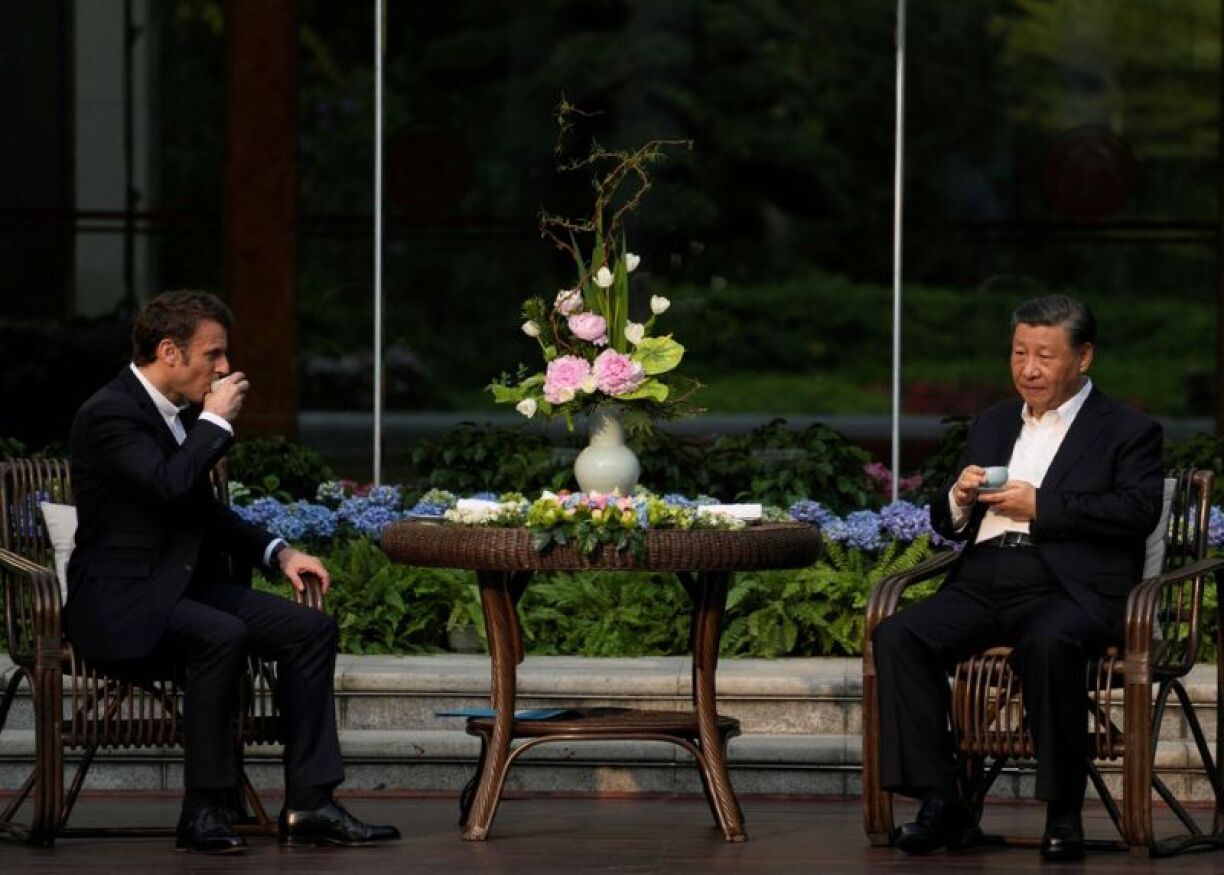
Returning from a trip to China, the 45-year-old French leader told the US-based Politico site and France's Les Echos newspaper that Europe shouldn't be a "follower" of the United States in the event of conflict with China over Taiwan.
His comments risk riling Washington and highlight divisions in the European Union over how to approach China, as the US steps up confrontation with its closest rival and Beijing draws closer to Russia in the wake of its invasion of Ukraine.
Praised by China - Emmanuel Macron's unexpected suggestion that Europe not "follow" US policy on Taiwan is being hailed as a "brilliant decision" this week in China, where state news outlets and social media users are lauding his independence.
What's going on? - In August last year, China deployed warships, missiles and fighter jets around Taiwan in its largest show of force in years following a trip to the island by Nancy Pelosi. China had repeatedly warned against any meeting, and began the latest wargames soon after President Tsai returned to Taiwan.
Tsai responded to the drills by pledging to work with "the US and other like-minded countries" in the face of "continued authoritarian expansionism".
Most recently - Angered by Taiwanese president Tsai Ing-wen's meeting last week with US House Speaker Kevin McCarthy, Beijing launched massive military exercises around the island immediately after Macron departed for France, including simulated strikes on its territory.
On Monday, the third day of the most recent wargames around the island, China simulated "sealing off" Taiwan, as the United States deployed a naval destroyer into Beijing-claimed waters in a show of force.
Unclear position - The United States has been deliberately ambiguous on whether it would defend Taiwan militarily. But for decades it has sold weapons to Taipei to help ensure its self-defence, and offered political support.
'European sovereignty' - Citing his prized ideal of EU "strategic autonomy", the French leader said that "we must be clear where our views overlap with the US, but whether it's about Ukraine, relations to China or sanctions, we have a European strategy."
"We don't want to get into a bloc versus bloc logic," he added, saying Europe "should not be caught up in a disordering of the world and crises that aren't ours".
Macron discussed Taiwan with Chinese leader Xi Jinping on Friday, during a visit in which he was feted, but more hawkish EU Commission President Ursula von der Leyen was kept mostly at arm's length.
Criticism from both the US and Europe - Such comments could be seen as longstanding French foreign policy, which seeks to underline French autonomy, and they also reflect growing unease in Europe about the continent being sucked into a confrontation between China and the United States.
But many analysts and politicians in Europe and the United States questioned the timing -- when Washington is investing billions in European security through its support for Ukraine, and when Western unity is seen as particularly important.
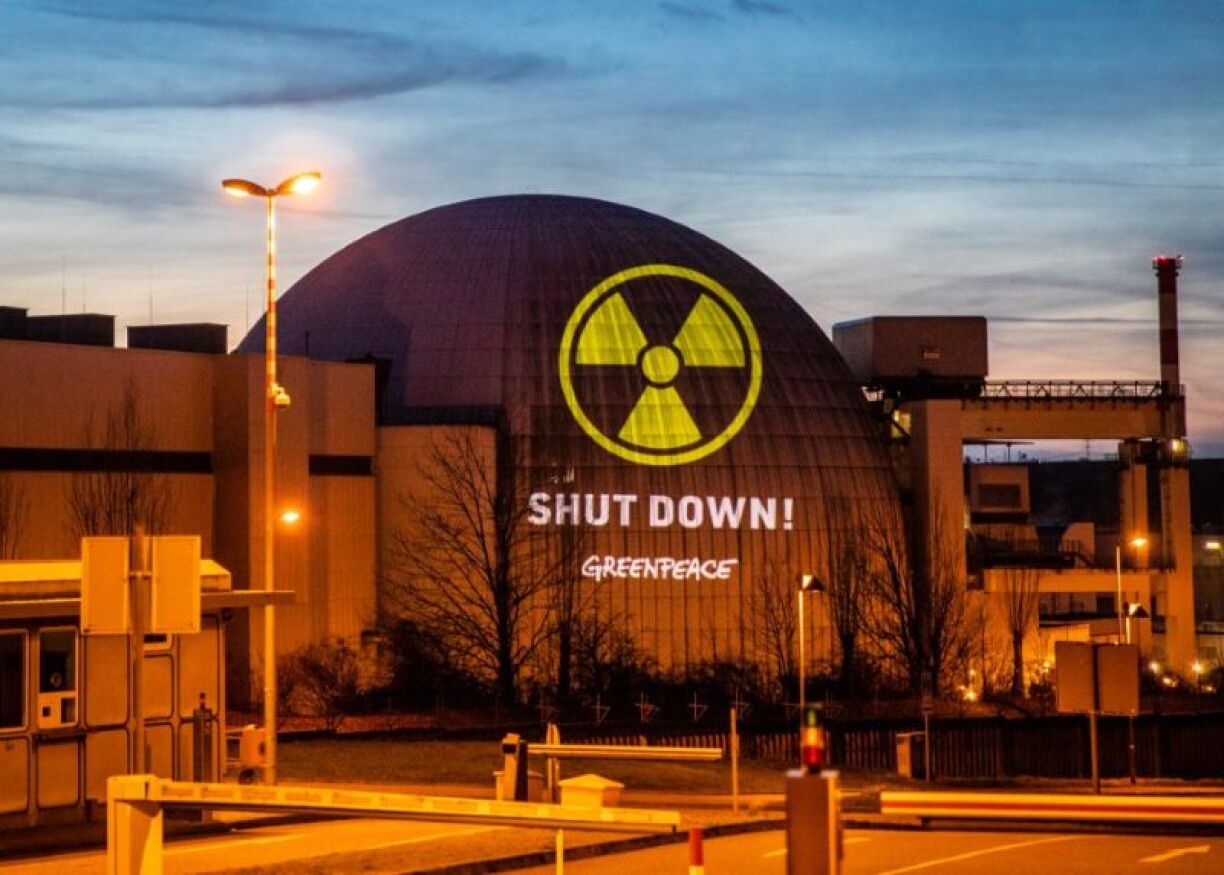
The country has been looking to phase out nuclear power since 2002, but the decision was accelerated by former chancellor Angela Merkel in 2011 after the Fukushima disaster in Japan.
Controversial decision? - Russia's invasion of Ukraine in February 2022 threatened to upend the plans, putting an end to cheap Russian gas and throwing the country into an unprecedented energy crisis.
Opposition followed - Just a few months before Germany's last three remaining plants were due to be turned off, the tide of public opinion began to turn. With high energy prices and climate change, there have been calls to extend the power plants.
Renewable energy - At a time when many Western countries are ramping up nuclear power in their transition to greener energy sources, Europe's biggest economy is resolutely sticking to its plans.
So far sixteen reactors have been closed in Germany since 2003.
Less than 10% - The three final plants provided six percent of Germany's energy last year, compared with 30.8 percent from all nuclear plants in 1997.
Where does Germany get its electricity from? - Germany produced 46 percent of its energy from renewables in 2022, up from less than 25 percent a decade ago. But the current rate of progress on renewables will not be enough for Germany to meet its own targets, much to the ire of environmental campaigners.
Coal still accounts for a third of German electricity production, with an eight percent increase last year to compensate for the loss of Russian gas after Moscow cut supplies in response to Western sanctions over its Ukraine invasion.
Read also: Fossil fuel pledges divide G7 in 'critical decade' for climate
Business & Tech - Twitter boss Elon Musk said running the social media network has been "quite a roller coaster" and acknowledged "many mistakes" along the way, six months after he bought the company for $44 billion.
Science & Environment- Solar and wind energy surged to make a record 12 percent of the world's electricity in 2022, a climate think tank calculated in a report Wednesday -- though coal remained the leading source globally.
Entertainment - The first Harry Potter television series is set to be made, with author JK Rowling acting as an executive producer, Warner Bros. Discovery announced on Wednesday.
Planting a kiss - The Tibetan spiritual leader the Dalai Lama apologised on Monday after a video which showed him asking a boy to suck his tongue triggered a backlash on social media.
'Inhumane aggression' - Ukrainian President Volodymyr Zelensky on Wednesday denounced Russian "beasts" after a video surfaced on social media purporting to show the decapitation of a Ukrainian prisoner of war.
The Russian Prosecutor-General's Office said on Thursday it was opening a preliminary probe into footage purporting to show the beheading of a Ukrainian prisoner of war.
Following opposition - On 12 April the German ministers for health and agriculture presented the plans for the partial legalisation of cannabis, after scrapping plans to allow the widespread sale of cannabis in licensed stores for the time being following EU concerns.
441 lives lost - January to March 2023 was the deadliest first quarter for central Mediterranean migrants since 2017, the United Nations said Wednesday, with 441 lives lost as crossings to Europe soar.

Your Weekly Recap is published every Friday at noon. Read earlier versions.
If you have any comments, questions, concerns on improving the Weekly Recap - contact me at alannah_meyrath@rtltoday.lu





