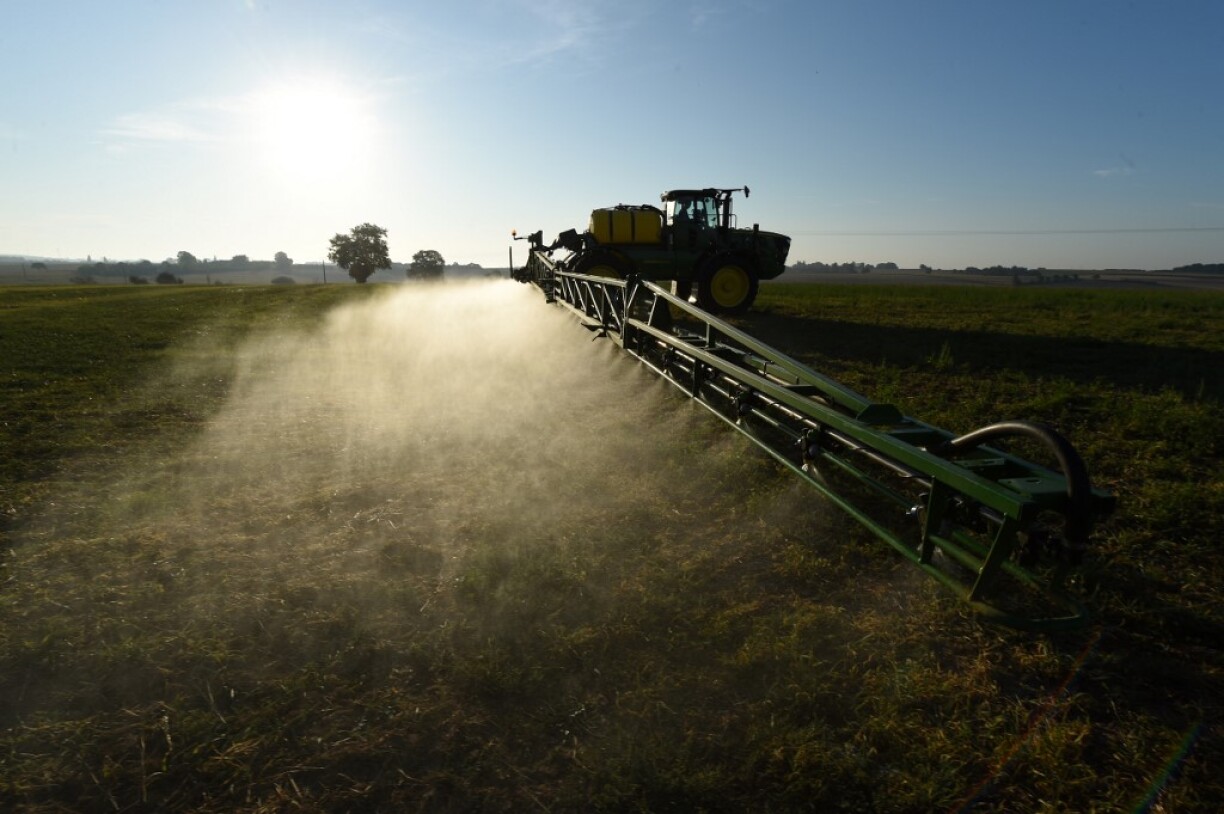
Luxembourg imports a large share of its food from EU and non-EU countries where the use of glyphosate is not banned. In a recent parliamentary question, MP Jeff Engelen from the Alternative Democratic Reform Party (adr) enquired whether imported food is checked for the presence of glyphosate residues, and further expressed his concern regarding potential unfair competition from farmers abroad.
Glyphosate is the most widely used herbicide in the world, particularly in agriculture. No plant survives the use of glyphosate unless it has been genetically modified, which has a major impact on nature. This is why the product was banned in Luxembourg since 1 January 2021.
But what about foodstuffs from abroad? Are they also tested for glyphosate residues? According to Minister of Agriculture Romain Schneider, foodstuffs, whether from Luxembourg or abroad, are checked according to strict criteria. In addition, these checks must be done in a fair way. "And that is precisely what is happening," stressed the Minister from the Luxembourg Socialist Workers' Party (LSAP).
All food, both domestic and foreign, is on an equal footing when it comes to the routine checks carried out by the Food Safety Division. All samples taken are tested for glyphosate residues. European limit values must be respected, and these limits are set in the European Pesticides Database.
But what if the use of glyphosate still gives farmers in neighbouring countries a competitive advantage? Schneider states that Luxembourg tries to "anticipate" this, referring to several agri-environmental programmes that exist in Luxembourg to help farmers give up pesticides. These will be further expanded. In addition, the compensatory allowance for farmers was recently increased by about 10%. This should help to compensate for any additional costs caused by the ban on glyphosate, the Minister stated in his reply.





