Although summer is arguably the most fun time of the year, but it's no time to let your guard down. A refreshing river dip can quickly turn into a tragic drowning, a concert can be disrupted by rainfall, and extreme heat can wreak havoc on vulnerable people.
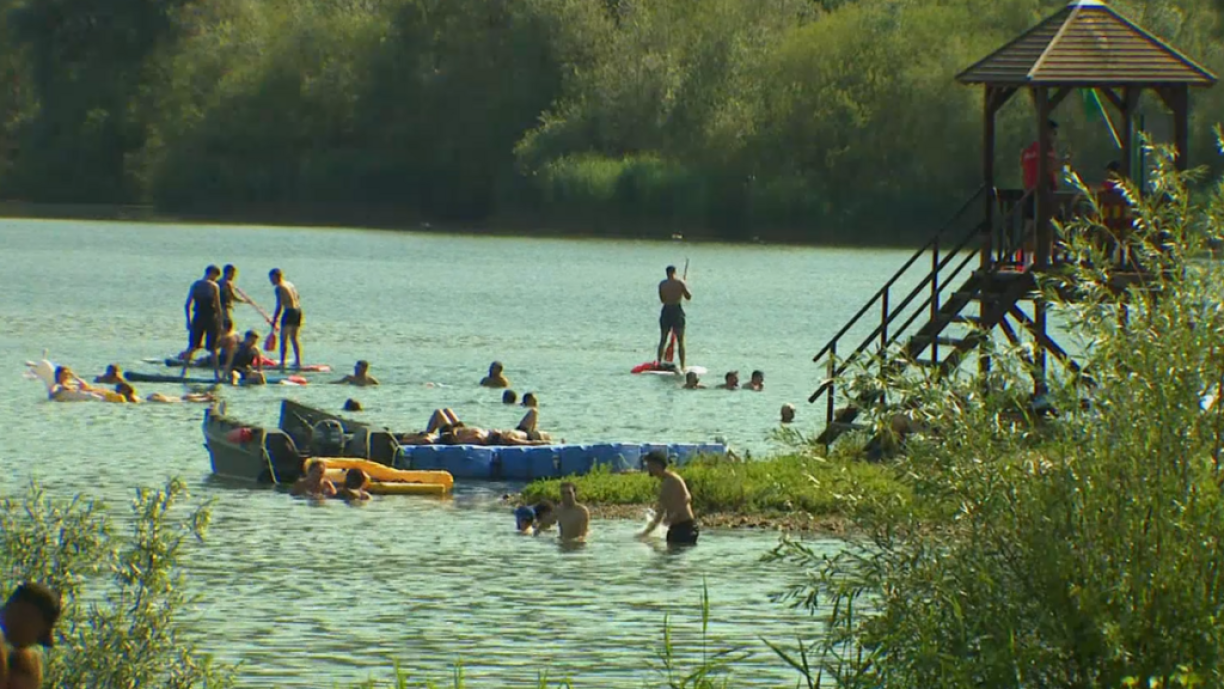
At the Baggerweier lakes, swimming instructor Manon Sagramola, responsible for safety, demonstrates just how risky it can be to rush to someone's aid in the water. During a simulation exercise, their intern Felix plays the "victim" – and like most people, his instinct is to jump in and help immediately.
While this impulse is admirable, it can also be dangerous. In a real emergency, a drowning person is panicking and fighting to survive, meaning they will instinctively grab onto anything, including their rescuer, and can pull them under too. This is why it's crucial to first alert a trained lifeguard, or if none is available, to bring something buoyant – like a backpack or board – for the victim to hold onto instead of clinging to you.
If a victim loses consciousness, their muscles stop resisting, water enters the lungs, circulation slows, and the heart eventually stops. Rescuing someone requires strength, technique, and composure – which is why leaving it to professionals, if possible, is the safest choice.
For open-air concerts and festivals, safety is the top priority. Laurent Loschetter, spokesperson for Luxexpo concerts, explained that organisers stay in constant contact with meteorologists at Meteolux to monitor the skies.
Climate change has made summer weather increasingly unpredictable. State meteorologist Luca Mathias explains that forecasting thunderstorms is like predicting which bubble will break the surface in boiling water – even artificial intelligence struggles to improve accuracy.
That unpredictability can be dangerous. At Germany's Rock am Ring festival nine years ago, a sudden thunderstorm injured more than 50 people. Meteorologists now track cumulus clouds, which often signal rain or storms within an hour or two.
In case of lightning, experts advise against lying flat on the ground – this increases the area of contact through which electricity can enter your body. Instead, squat low, keeping your feet together and minimising your contact with the ground. Avoid rivers, lakes, and open fields, and stay clear of tall, isolated trees.
Heat waves are becoming the new normal. To cope, drink plenty of water, eat light meals, and seek shade – especially in forests, where temperatures can be up to six degrees cooler.
Sweating, though uncomfortable, is your body's natural way of cooling down – similar to how trees release moisture. But it depletes your fluids, so stay hydrated. Signs of dehydration include dizziness and headaches.
Be especially mindful of children and the elderly. Children sweat less, so their symptoms of dehydration and heatstroke appear later. Seniors often don't feel thirst as strongly and certain medications can increase heat sensitivity.
Pets also suffer in the heat. Dogs sweat through their paws and cool down by panting. Never shave dogs with long fur – their coat protects them from sunburn and overheating.
Every summer, harmful blue-green algae reappear in the Upper-Sûre or Baggerweier lakes. To protect public health, the government has installed cameras to monitor algae growth and close bathing spots when necessary.





