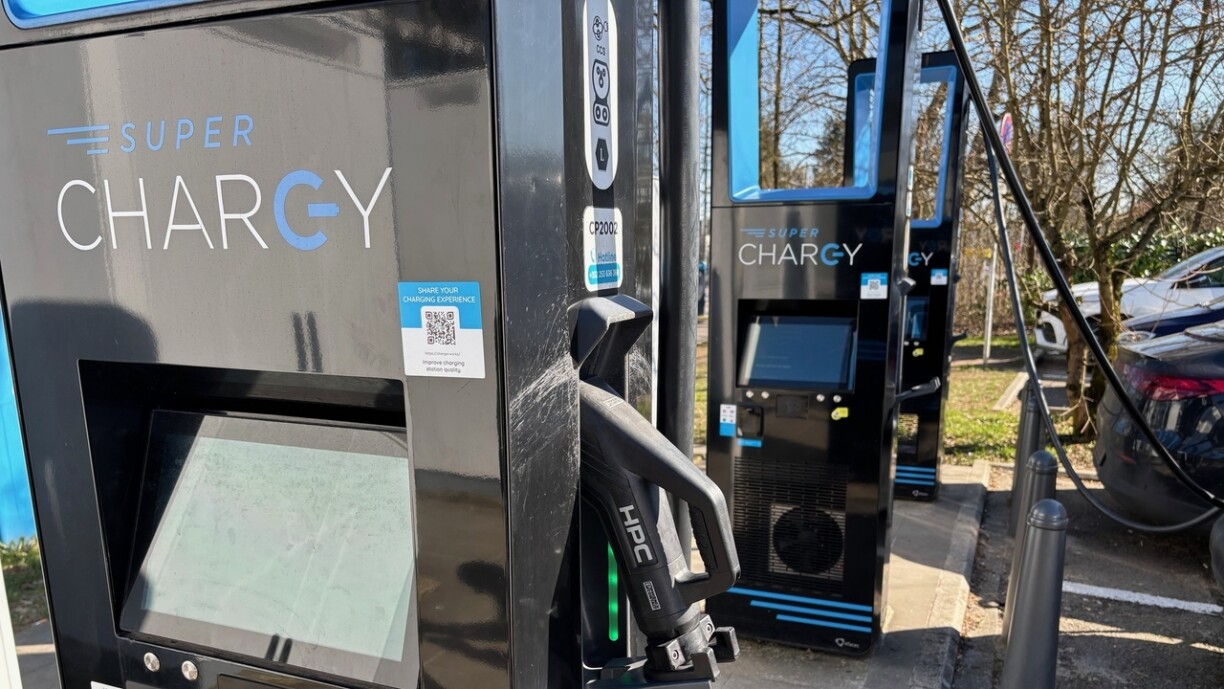
Electricity prices have been on the rise in recent weeks, a trend that has impacted the owners of electric vehicles both at home and at public charging stations.
While some drivers may question their decision to switch to electric, Gilles Caspar of the General Directorate of the Ministry of Energy points out that electric cars still cost about half as much to operate in daily use compared to petrol or diesel vehicles – provided owners primarily charge their cars at home.
Caspar emphasised that home charging remains significantly cheaper than using public charging stations. He noted, however, that the pricing structure for public charging is highly variable and depends on several factors, including the service provider and the payment method used. For instance, users who pay with a credit card may face different costs compared to those using a prepaid card issued by a specific provider.
Caspar advised motorists to research and compare options, as prices can vary widely depending on individual needs. He suggested they ask themselves questions such as whether they typically charge for long or short periods and whether they frequently use charging stations along motorways.
To navigate the complex landscape of service providers, tools like the Chargeprice app can be invaluable. This app provides an overview of prices across different providers, revealing significant variations – even for the same amount of electricity at the same charging station. According to Caspar, price differences can reach up to 150% depending on the provider.
Peter Recking of Klima-Agence highlighted that drivers can find "relatively cheap" deals through subscriptions or prepaid cards if they take the time to compare prices and assess which service providers are most relevant to their typical driving routes and charging habits.
It is undeniable that the new calculation of grid prices has placed electric vehicle owners at a disadvantage. To mitigate this, Xavier Hansen of the General Directorate of the Ministry of Energy advised drivers to adopt a strategy of charging their vehicles "as slowly and as long as possible," while avoiding simultaneous charging of multiple vehicles or using energy-intensive appliances during charging. "The goal is to keep grid usage as consistent and flat as possible," Hansen said.
For those seeking solutions, comparing offers on Luxembourg's electricity market remains worthwhile. Some providers are adapting their packages to better suit customers with electric charging stations. However, a lack of transparency about peak times in Luxembourg's power grid complicates efforts to optimise charging schedules. Nowadays, there is little difference between charging during the day or night, making the situation more complex for consumers.
In Luxembourg, approximately 7,500 electric charging stations have been installed at private residences, but only around 1,000 are located in blocks of flats.
Recking noted that Klima-Agence provides support to help residents navigate the process of installing charging infrastructure in blocks of flats. This includes assistance with convincing fellow residents during general assembly meetings, technical guidance on setup, and reviewing quotes to ensure all costs are accounted for. Notably, pre-installation for electric charging points is now mandatory in newly constructed blocks of flats, and state and municipal subsidies are available to ease the financial burden.
For those unable to charge their vehicles at home, alternatives include checking whether employers offer workplace charging facilities. Additionally, some supermarkets have recently introduced "very attractive" deals for public charging, providing another option for electric vehicle owners.





