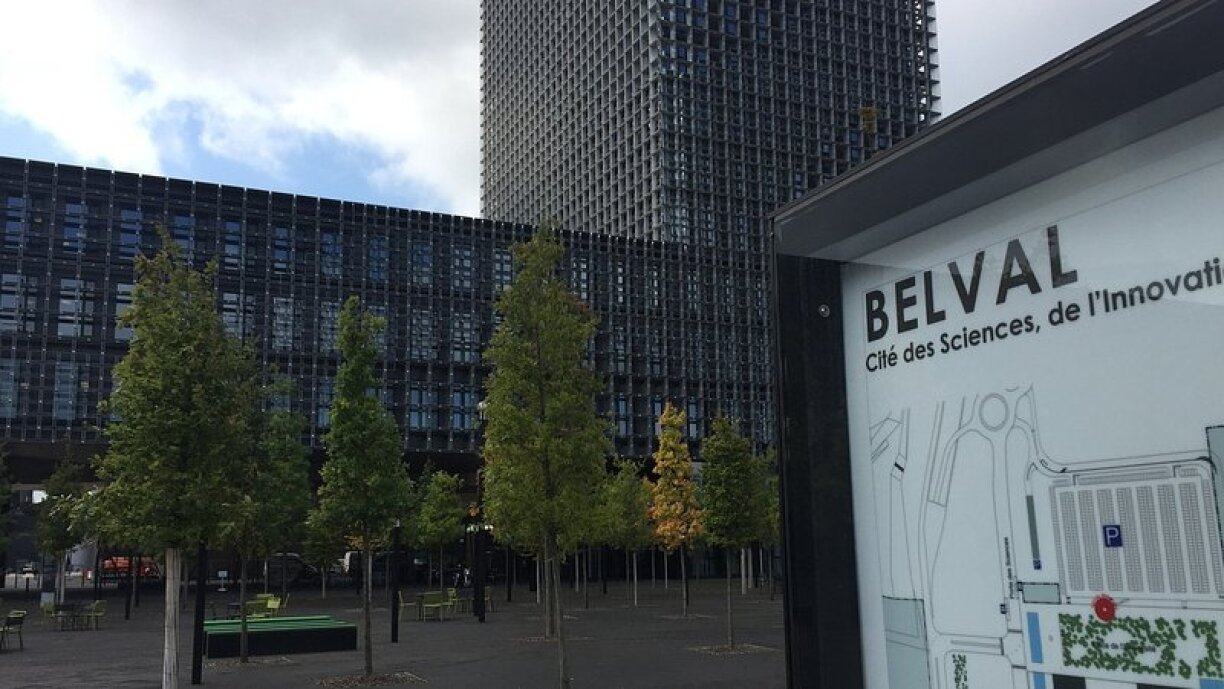
Following allegations of systemic governance issues at the University of Luxembourg, Research and Higher Education Minister Stéphanie Obertinon on Tuesday afternoon presented details of a planned audit into the institution to the parliamentary committee on higher education. The review, commissioned by the ministry, is intended to provide a factual analysis of the university's governance mechanisms, examine the composition and responsibilities of its various bodies, and identify potential dysfunctions in decision-making processes, ethical issues, or conflicts of interest.
The audit will further scrutinise all levels of the university hierarchy, from the Board of Governors and the rectorate to deans, directors, department heads, and the university council. Covering the period from 2018 to 2025, the audit is expected to be completed within ten weeks.
However, members of the committee raised concerns about the audit's scope and methodology. Some criticised the fact that auditors are expected to speak only to a sample of individuals from the bodies under review, warning that this could compromise objectivity.
MP Joëlle Welfring of The Greens said the exercise appeared, at first glance, to resemble a "box-ticking exercise", focused primarily on verifying whether past actions were legally compliant. If that were the case, she argued, the effort would fall short of addressing deeper concerns about how governance is functioning in practice.
The tight ten-week deadline was also questioned by MPs, who expressed doubts that such a broad review could be conducted thoroughly within that time frame.
The audit comes amid months of controversy surrounding the University of Luxembourg. Since last autumn, staff members have raised allegations of bullying, harassment, irregular recruitment procedures, and blocked promotions.
Several documented cases, particularly within the Faculty of Law, Economics, and Finance, have pointed to possible breaches of established procedures and conflicts of interest.





