As many households across Luxembourg grapple with rising electricity costs, one family in Dippach received a shocking €4,000 bill in February.
Philippe Meyers, a father of four, initially thought the bill was a mistake. However, after contacting his electricity provider, he learned that the high amount was due to his household exceeding the consumption threshold for the energy price cap, requiring reimbursement of previously mitigated costs.
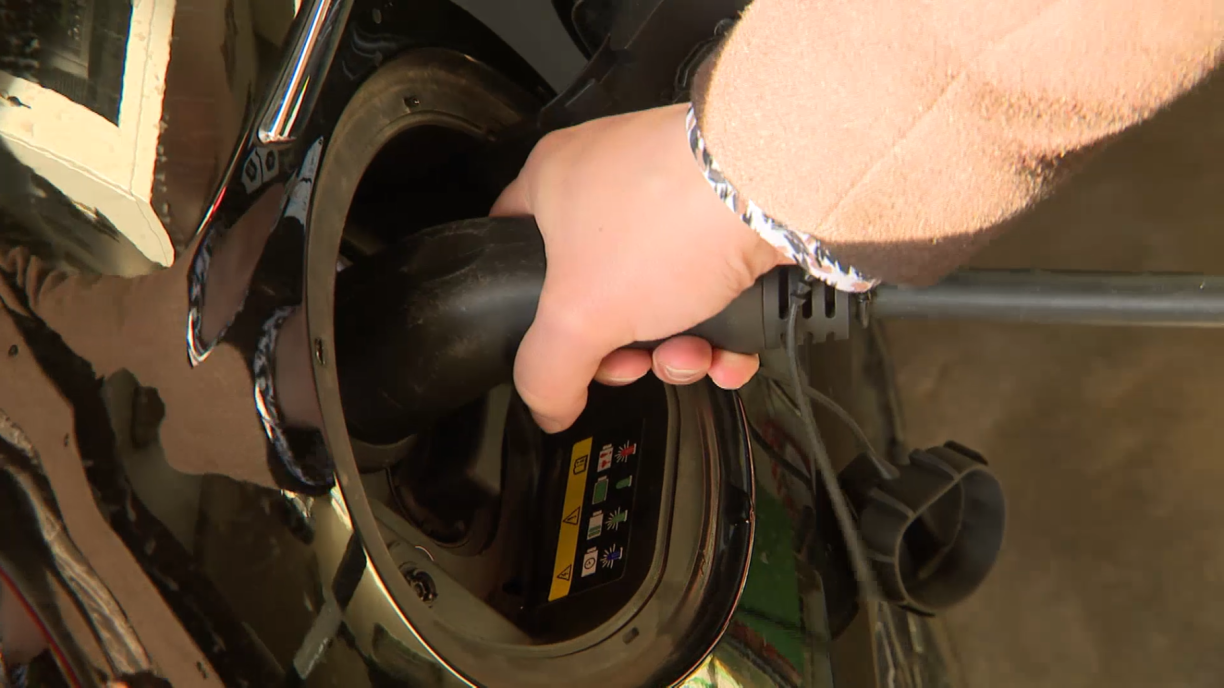
The Meyers family's situation stems from their decision in 2023 to transition to greener energy solutions. They replaced their gas heater with a heat pump and own an electric car, significantly increasing their electricity consumption. Meyers explained that the heat pump alone consumes around 14,000 kWh annually – equivalent to 3,500 litres of heating fuel – while the electric car adds another 4,000 kWh. In total, their annual consumption exceeds 25,000 kWh, far above the average household usage of 3,000 to 6,000 kWh.
This high consumption placed the Meyers household in a new consumer category, one which also includes businesses, disqualifying them from the energy price cap. While the cap was applied to their 2024 bills, the family unknowingly crossed the consumption threshold by the end of the year. As a result, they must now reimburse the discounted amounts and contribute to a compensation fund. Meyers expressed frustration, noting that households using fossil fuels continue to benefit from the price cap, while those transitioning to renewable energy are seemingly penalised.
During a press conference on Wednesday, the Luxembourg Socialist Workers' Party (LSAP) questioned how consumers are expected to navigate the complexities of the energy transition and criticised the policies of the CSV-DP government. The largest opposition party argued that motivating households to embrace renewable energy requires investment, not austerity measures. MP Georges Engel highlighted cuts to subsidies for photovoltaic systems and electric vehicles, as well as rising costs at public charging stations, calling these measures "counterproductive".
Philippe Meyers, also an LSAP member and local politician in Dippach, has long advocated for the energy transition, aiming to lead by example. However, his recent experience led him to a sobering conclusion. "It was perhaps for the best that not everyone did the same", Meyers remarked, expressing regret that his efforts to promote green energy have resulted in unexpected financial challenges.
Despite the setback, the Meyers household continues to save money each month thanks to their transition to electric power. These savings, however, come primarily from charging their electric car at home rather than from their heat pump. The family now cautions against fully committing to electric power in the way they did, as the financial and logistical hurdles have dampened their enthusiasm.
While the Meyers' electricity consumption is an exceptional case, household energy usage in Luxembourg is on the rise and is expected to continue increasing in the coming years, driven in part by the ongoing energy transition.





