Here are five things you should know at the end of this week:
________________________________________________
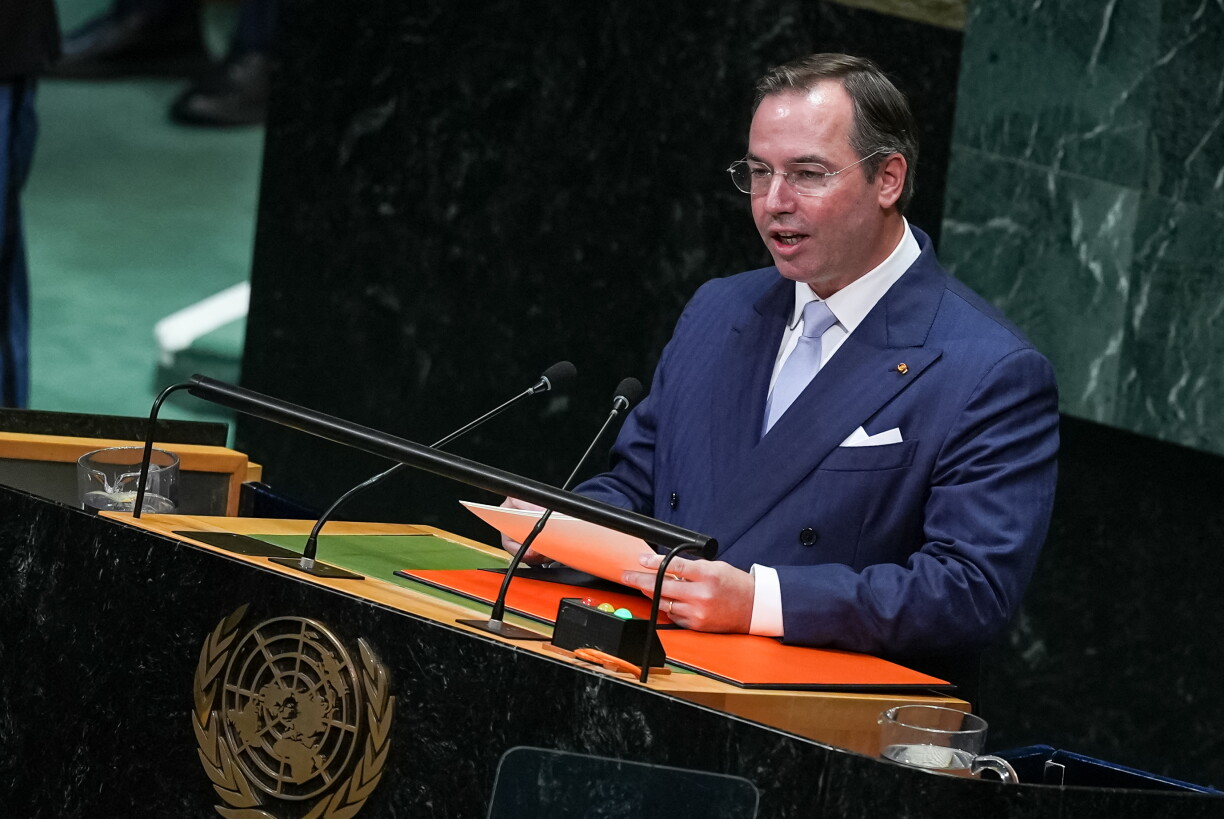
Council seat – Grand Duke Guillaume argued that elected members can help the Security Council act when its permanent members disagree. Drawing on Luxembourg's 2013–2014 term, he said a small country can bridge opposing positions and find common ground. He also called for a stronger African voice and a greater role for the General Assembly when the council is paralysed.
Promoting unity – Luxembourg's head of state described weakening trust between countries as a reason to improve international institutions. He cited Russia's war against Ukraine, Luxembourg's development aid and support for humanitarian demining, and the need to protect civilians. Looking ahead, he urged leaders to give young people responsibility, keep people at the centre of decisions about artificial intelligence, and respond collectively to climate threats.
Israel and climate action – Netanyahu's address prompted some delegates to leave the chamber as he attacked Iran, Turkey, Britain, and France. His remarks also drew a response from New York Mayor Zohran Mamdani. Separately, the sea-level resolution affirmed that a country's maritime zones can remain in place as its coastline recedes, and that losing land to the sea does not necessarily end its statehood.
________________________________________________
Major disruptions – Drone sightings disrupted operations at Luxembourg's Findel Airport on two evenings. On Friday, a runway closure forced 19 arriving flights, including 17 Luxair services, to divert to other airports. On Monday, air traffic was halted from 9.38pm to 10.30pm, with no flights diverted but some delayed by up to an hour. Luxair estimated that Friday's disruption cost it several hundred thousand euros and left some passengers needing hotels or alternative transport.
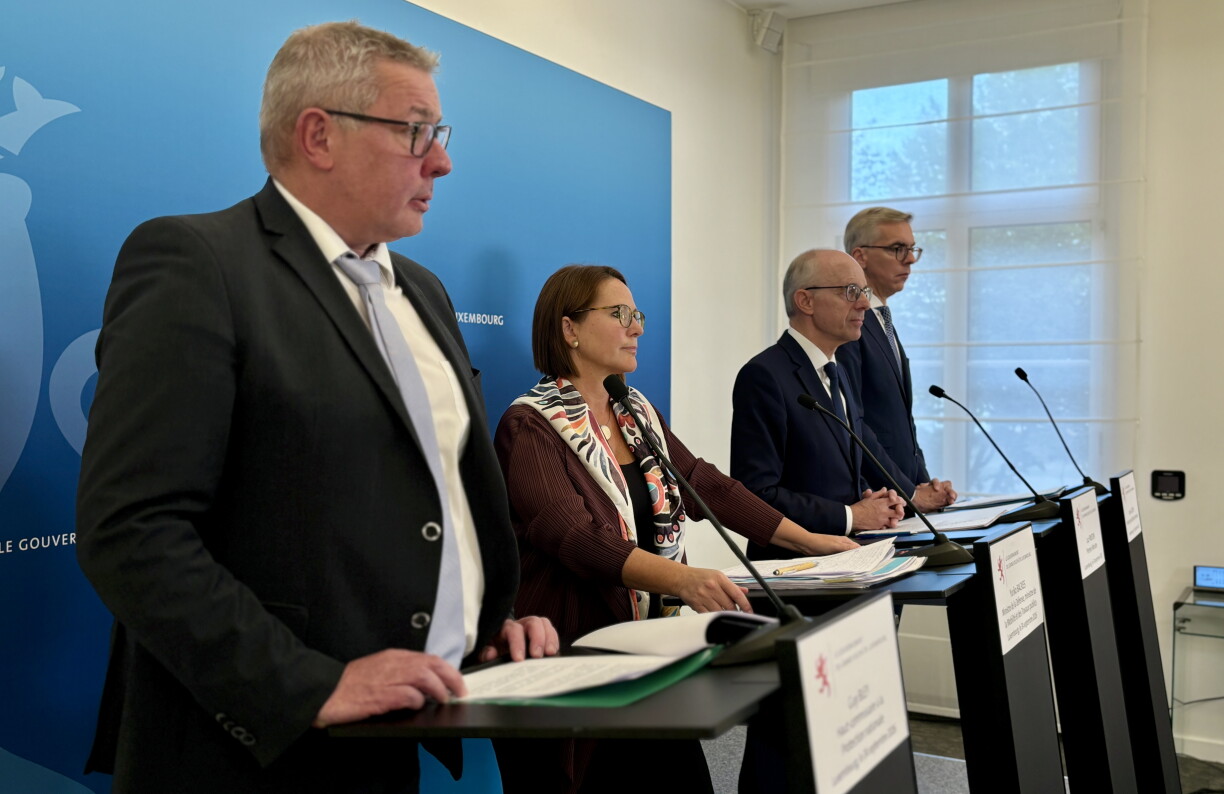
Reassurances – Prime Minister Luc Frieden said the information available showed no immediate danger to residents. The drones seen near Findel were visually confirmed, but their types and origins remain unknown. Luxembourg is implementing a national drone action plan, seeking support from Belgium and France, and bringing forward purchases of additional detection technology. Frieden said shooting drones down could put people on the ground at risk.
Persistent concern – In the Chamber of Deputies, opposition lawmakers pressed the government for clearer information about the sightings and questioned whether Luxembourg is prepared to protect critical infrastructure. Some criticised the authorities' communication, even while acknowledging that their response to the incidents had been appropriate. Government party representatives defended the response and called for stronger systems as drone incidents become a more persistent concern.
________________________________________________

No buyer named – Legend Holdings bought its stake in 2017 for about €1.48 billion. The Financial Times reports that Goldman Sachs has been appointed to handle the proposed sale, though no buyer has been named yet.
Government commitment – Roth described BIL, which employs 1,555 people, as systemically important to Luxembourg. He said any new majority shareholder would need approval from the European Central Bank and that the government would use its influence to safeguard jobs. During the 2017 change of ownership, the government secured a commitment to keep BIL's headquarters in Luxembourg and avoid mass redundancies for at least three years.
Looking back – BIL began in 1856 as a financier of Luxembourg's railway network. It later came under Belgian ownership and became part of Dexia, whose financial difficulties prompted state intervention. The 2012 sale to Precision Capital drew criticism over its price; five years later, the Qatari owner sold its stake to Legend Holdings for roughly twice as much.
________________________________________________

New frontier – After more than 40 years primarily operating satellites, SES plans to design and produce satellite technology itself. It will begin with components it already integrates into satellites, then expand in-house production according to demand.
Made in Luxembourg – SES says it will employ around 300 people, many of them engineers and technical specialists, and aims to produce its first satellite fully 'Made in Luxembourg' by the end of 2028. Development and testing have already begun in a temporary laboratory.
Long-term plans – For SES, making critical components in-house could reduce its dependence on suppliers; for Luxembourg, the project is intended to attract specialist talent, strengthen the local space industry, and build capacity in technologies that increasingly support secure communications and defence.
________________________________________________
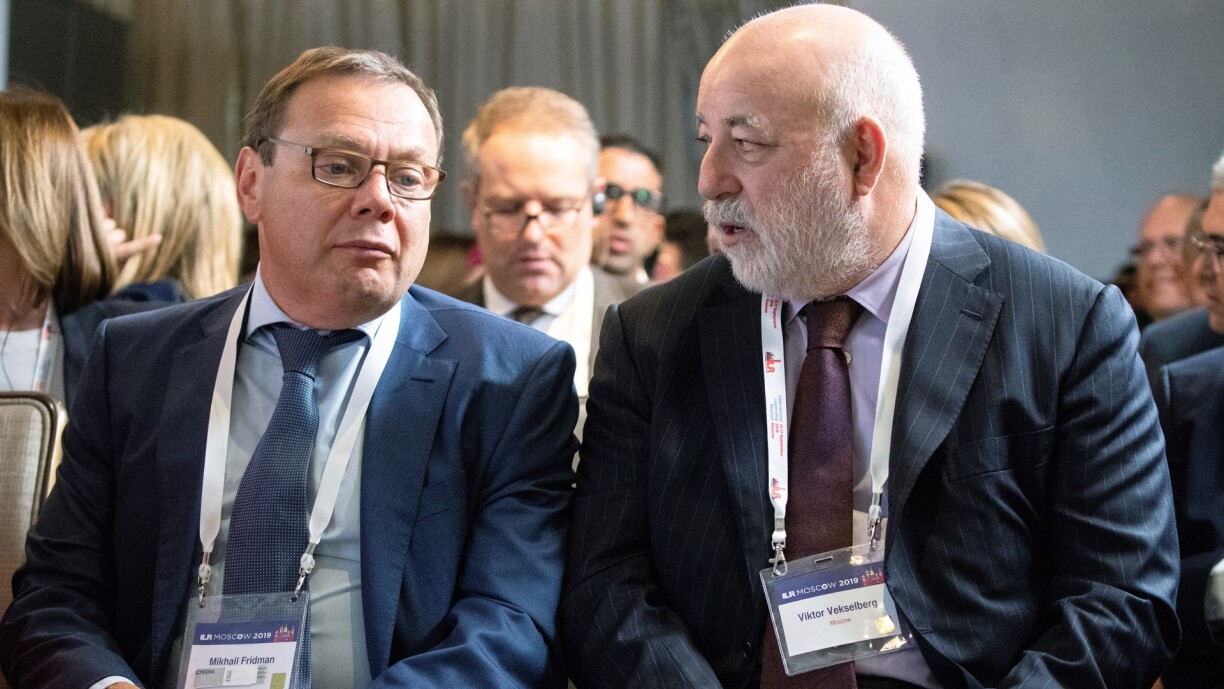
Last-minute compromise – The deal was struck just ahead of a Tuesday deadline, when Latvia agreed to drop its veto opposing French-led efforts to secure the exemptions. EU countries had been wrangling furiously after France joined Slovakia in demanding that Russian-Uzbek metals tycoon Usmanov be removed from the blacklist, after which Luxembourg demanded the same for banking magnate Fridman.
Speaking to RTL, a diplomatic source insisted that Luxembourg was left with no choice but to demand the release of Fridman following France's push for Usmanov, but that the Grand Duchy would have accepted an unchanged extension of the current list.
Members' motivations – Officials in Paris cited "national security" concerns over Usmanov but declined to elaborate publicly, though a senior Brussels diplomat told AFP the demand was linked to a potential prisoner release involving French nationals held in Azerbaijan. Luxembourg, for its part, requested for Fridman's removal as it battles his claim for €15 billion ($17 billion) in damages for freezing his assets under EU sanctions.
'Shameful and unjustifiable' – Ukraine reacted with fury, with Foreign Minister Andriy Sybiga calling the move "shameful and unjustifiable" and warning that "Moscow is celebrating because it got what it wanted: a sense of impunity, the humiliation of the EU, and division among Europeans". The move also riled other member states, who argued that removing people for political reasons sets a dangerous precedent.
With Usmanov off the list, on Wednesday France secured the release of Martin Ryan, a Frenchman jailed since 2023 on espionage charges following his pardon from Azerbaijan's president.
________________________________________________
Your Weekly Recap is published every Friday at noon.
Read earlier versions here.





