
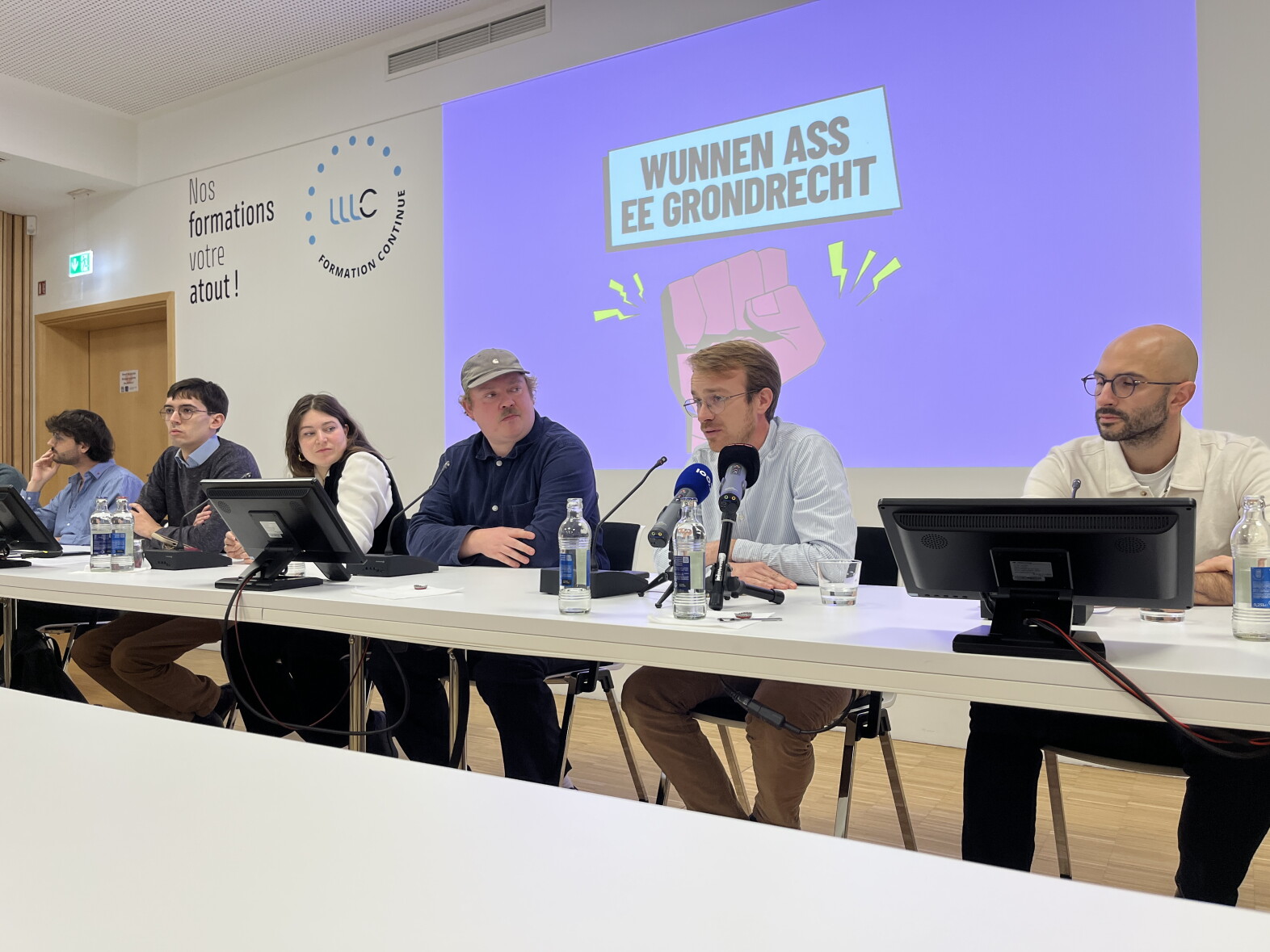
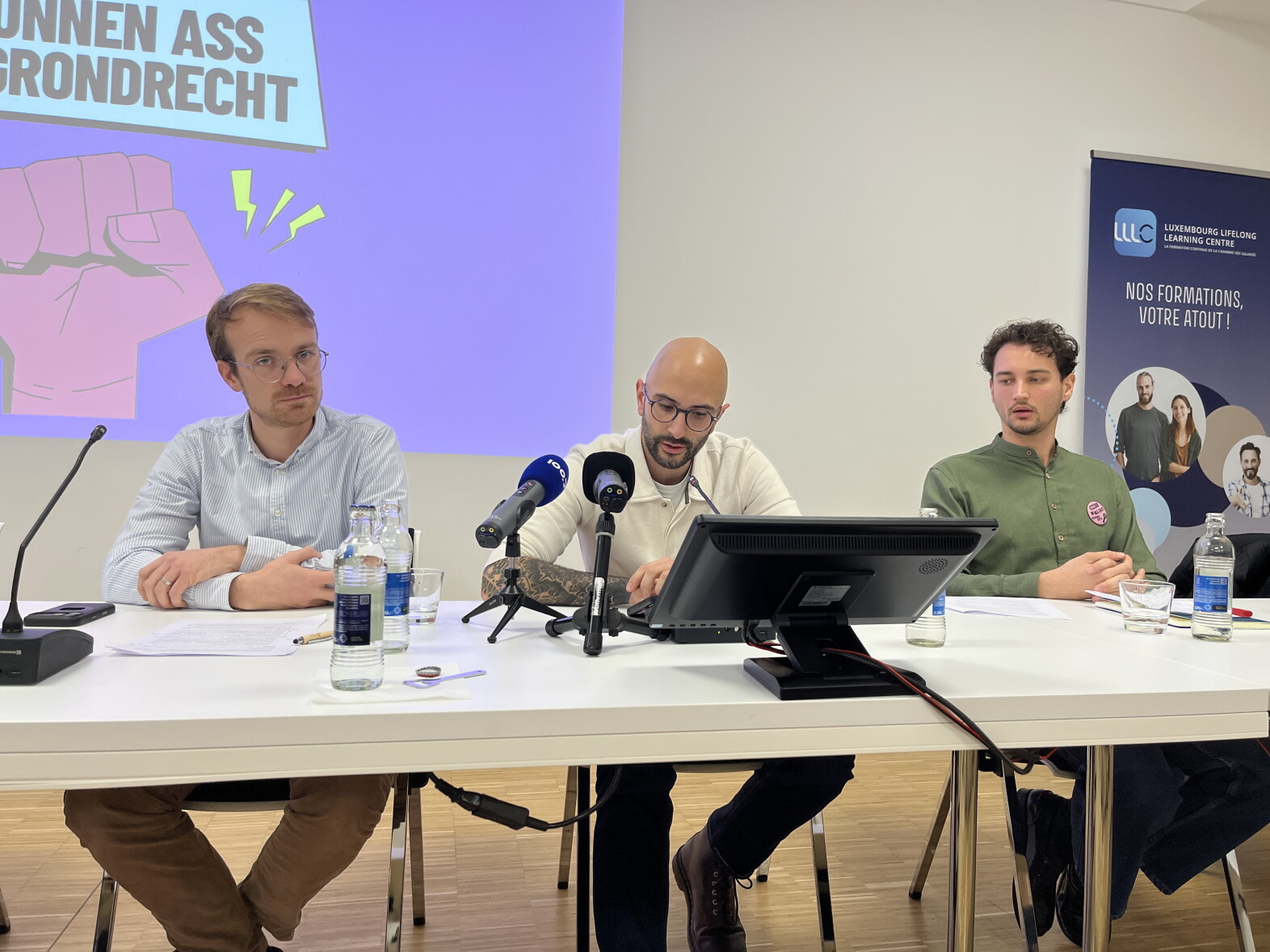
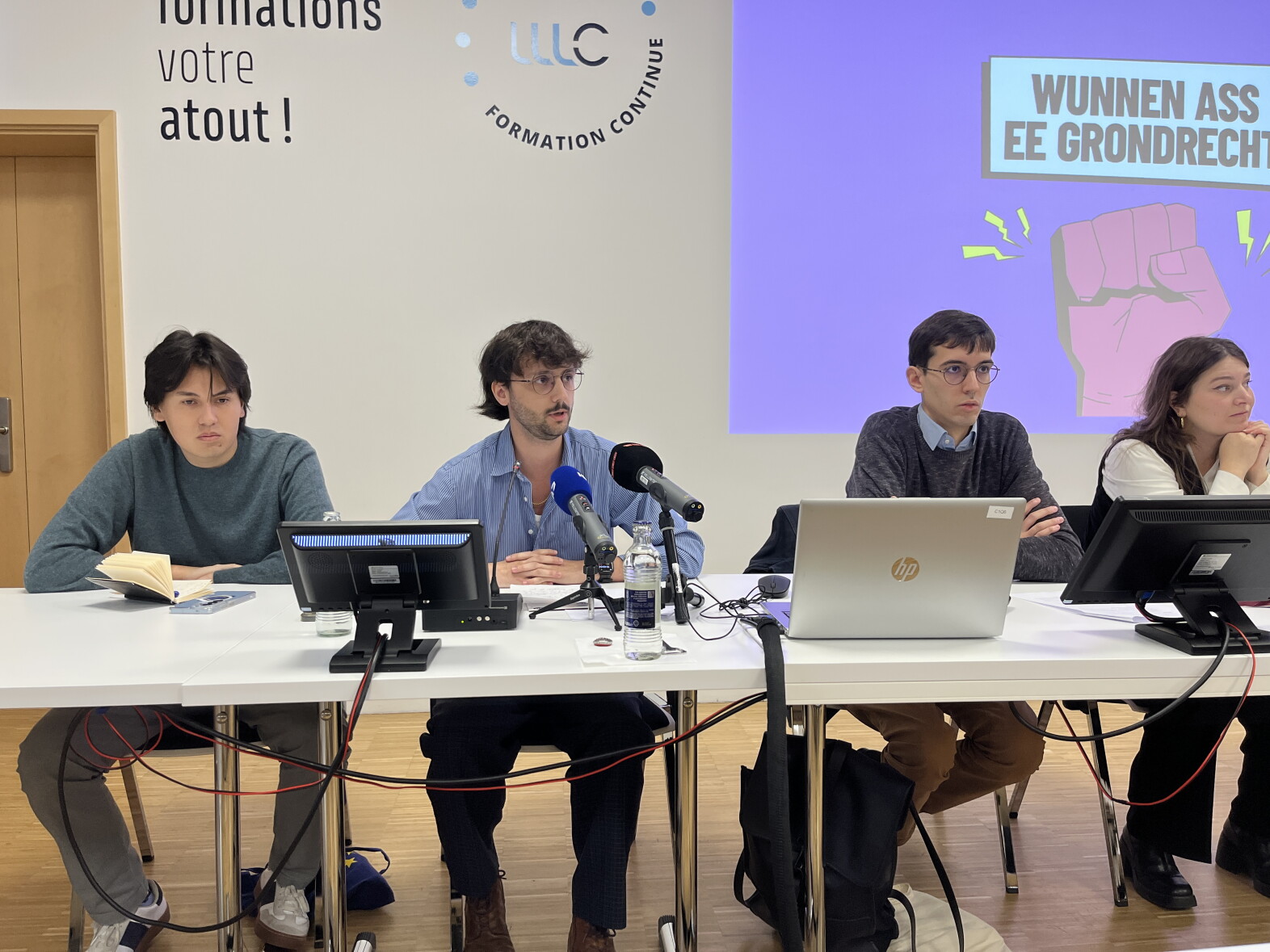


The group, calling themselves "Kollektiv Logementskris" (Housing Crisis Collective), argues that the situation has become untenable and is demanding immediate, targeted intervention from policymakers. To ramp up pressure, the coalition is organising another protest later this week.
The group's proposals are a mix of youth-focused and broader reforms. Among the central demands is the establishment of a national housing register by mid-2027. They are also calling for a tax on vacant residential properties and on building plots intentionally left undeveloped, criticising current government plans as too weak and slow to have real impact. Fabricio Costa, former co-spokesperson for the Young Greens, said: "Amendments have been proposed and the project is underway, but unfortunately, the tax as designed would only take effect in the 2030s. Even then, it allows so many exceptions that it is unlikely to achieve much in its current form. We are therefore calling for a robust tax that will come into force as early as 2028."
The coalition further insists that the state must make large-scale investments in affordable housing, aiming for one in five homes in Luxembourg to be affordable by 2035.
Additional demands focus on tenant rights. The group wants rent caps to be overhauled and calls for much greater weight to be given to the energy efficiency of rental properties. Tom Rees, co-spokesperson for the Young Left, said: "The worse a property's energy rating, the lower its permitted rent should be. Landlords renting out poorly insulated homes should not be able to charge the same as those who invest in quality and energy efficiency. We are clearly taking the side of tenants: landlords' profits must not outweigh the right to a home that is both affordable and warm."
The Union Nationale des Étudiant(e)s du Luxembourg (National Union of Students in Luxembourg – UNEL) is among the coalition's member organisations. Its Secretary General, Angelo Locatelli, described the situation facing students as particularly difficult: "I have just returned from university and am now living with my grandparents, because it is generally very hard to find a place to live. But even so, there are people in much worse situations than mine. Especially for students from abroad – sometimes it can take two hours to reach Belval and another two back, meaning four hours lost every day that could be used for studying or simply living."
The group is therefore demanding that students be allowed to apply for the rent subsidy (currently only available to those with a regular income). Supporting students, they argue, is also in the national interest: high housing costs in Luxembourg increasingly lead young graduates to remain abroad after their studies.
Olivier Cano, co-president of the Young Socialists, is calling for the creation of a crisis commission on housing. "This commission should meet monthly under the authority of the prime minister. For years, we have heard that housing is a government priority – so let’s truly make it one. Each month, the relevant ministries, trade unions, banks, and business associations should meet to draw up a clear action plan with binding deadlines. As you can see, many of our demands specify concrete timelines, and this is exactly what is missing today," he said.
A second protest is scheduled for Friday, with support from thirty-four civil society organisations, aiming to keep housing on the national agenda. Earlier this week, youth representatives also met with Minister for Housing Claude Meisch, making clear that they expect more than polite dialogue and want specific government commitments.