Here are five things you should know at the end of this week:

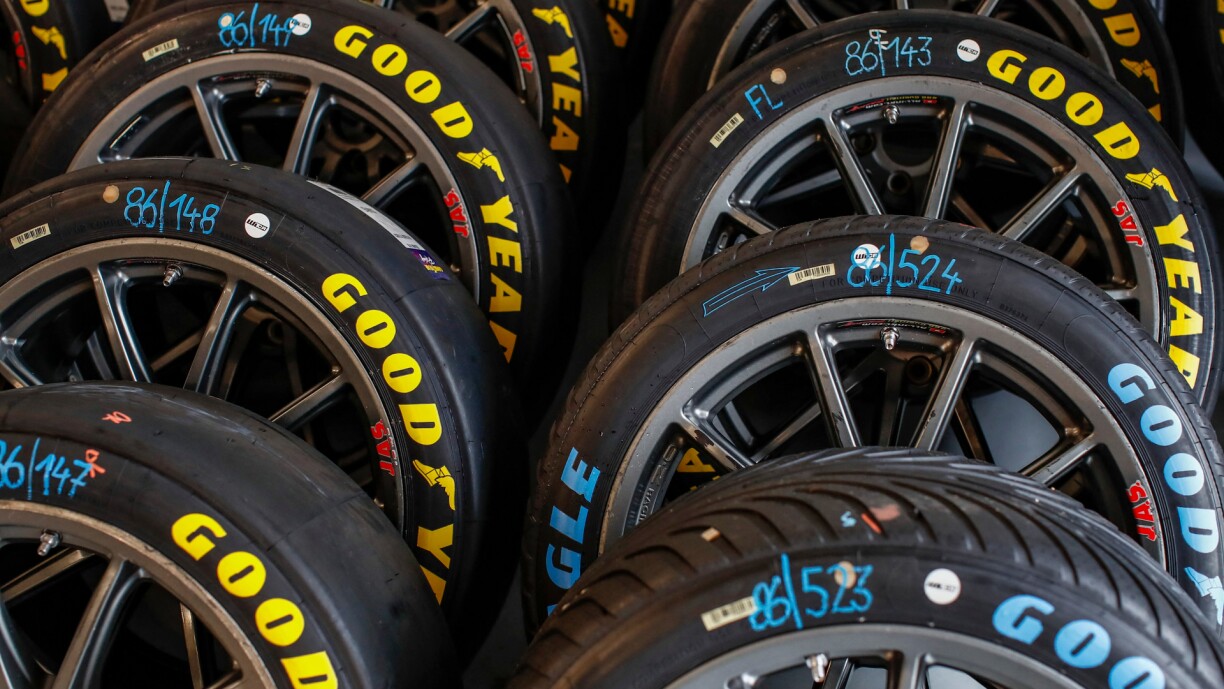
A recent investigation by Le Monde accuses Goodyear of avoiding a recall of defective tyres produced in Luxembourg, instead opting for a voluntary exchange programme to avoid negative media attention and protect their reputation, despite the tyres being linked to hundreds of accidents and fatalities.
A pattern uncovered – French newspaper Le Monde launched an investigation revealing that American tire giant Goodyear avoided a formal recall of defective tyres manufactured in Luxembourg, opting instead for a voluntary exchange programme. This decision was reportedly made to sidestep the negative media attention and safeguard the company's reputation.
The investigation highlighted that despite numerous accidents and expert reports signalling severe safety risks, Goodyear chose not to pursue an emergency recall. The company insisted internally and to external partners like truck manufacturers and tire retailers that the tyres posed no significant safety threats, suggesting defects only occurred under specific conditions like extreme heat or inadequate inflation.
Life-threatening risks – Internal documents accessed by Le Monde and verified by RTL played a crucial role in uncovering Goodyear's knowledge of the tyre defects. These documents revealed that Goodyear had documented around 247 significant incidents between 2013 and 2017 across Spain, France, and the Netherlands, which included severe injuries and fatalities.
Despite this, Goodyear continued with the voluntary exchange programme rather than issuing a mandatory recall, similar to actions taken by other tyre manufacturers in the face of similar issues. The documents also showed that Goodyear had set aside substantial funds for liability expenses and compensation related to these incidents, suggesting an awareness of the severity of the defects and potential legal repercussions.
Tragic losses – Sophie Rollet, who lost her husband in an accident caused by one of the defective Goodyear tyres, spearheaded a personal investigation into the incidents after a lack of initial media coverage and corporate acknowledgment. Her relentless pursuit for answers and accountability over several years eventually attracted media attention, culminating in increased scrutiny of Goodyear's practices and a documentary by Arte in 2023.
Her investigation, fuelled by a tragic personal loss, revealed a broader pattern of potential negligence and oversight by Goodyear. Despite facing numerous challenges, Rollet's efforts have highlighted the need for more stringent oversight and transparency in industrial manufacturing practices, especially when public safety is at risk.

The Luxembourg Consumers' Union (ULC) has criticised local banks for cutting customer services and raising fees despite achieving record profits of €6.6 billion, demanding political action for greater transparency and fairness in banking practices.
In response, the Luxembourg Bankers' Association (ABBL) defends the banks, attributing the high profits to a temporary surge in interest rates and asserting that the reduction in bank branches and cashpoint availability reflects a broader shift towards online banking and decreased demand for cash transactions.
ABBL insists that banking fees are transparent due to stringent regulations and highlights the beginning of a decrease in interest rates on housing loans, countering claims of unfair banking practices.
Services reduced, fees hiked – The ULC has expressed strong disapproval of local banks' recent business practices, which include significantly reducing customer services while simultaneously increasing various fees, despite reporting a record profit totalling €6.6 billion. This behaviour, according to the ULC, prioritises profit over client service and care.
The ULC's statement highlights a systematic shutdown of bank branches across the country and increases in charges for basic services like cash withdrawals and transfers. In light of these developments, the ULC is calling for immediate political intervention to ensure that banks operate with greater transparency and fairness, particularly in their pricing policies and loan conditions.
Farewell cashpoints? – The ABBL has countered the criticism, defending the banks' profit margins as a product of exceptional circumstances rather than exploitative practices. Jerry Grbic, a representative of ABBL, explained that the record profits were largely due to abrupt increases in interest rates, which transformed previous losses on bank deposits (due to negative interest rates) into profits.
Furthermore, Grbic pointed out the nation's relatively high number of cashpoints per capita compared to neighbouring countries and discussed the banking sector's ongoing transition towards digital services, arguing that the closure of physical branches and the reduction in cash transactions reflect a shift in consumer behaviour towards online banking, not a deliberate neglect of customer needs.
Fees strictly regulated – Regarding the transparency of banking fees and loan terms, the ABBL insists that existing regulations, reinforced by EU directives implemented into national law, mandate clear disclosure of fees and rates, which can be accessed by clients both online and in print.
Grbic also mentioned that the conditions for lending are closely aligned with European base rates, which complicates any deviations that might affect interest rates on savings accounts. Additionally, in response to concerns about high costs of housing loans, Grbic noted that interest rates on these loans have started to decline, suggesting an easing of financial pressures on consumers in this area.
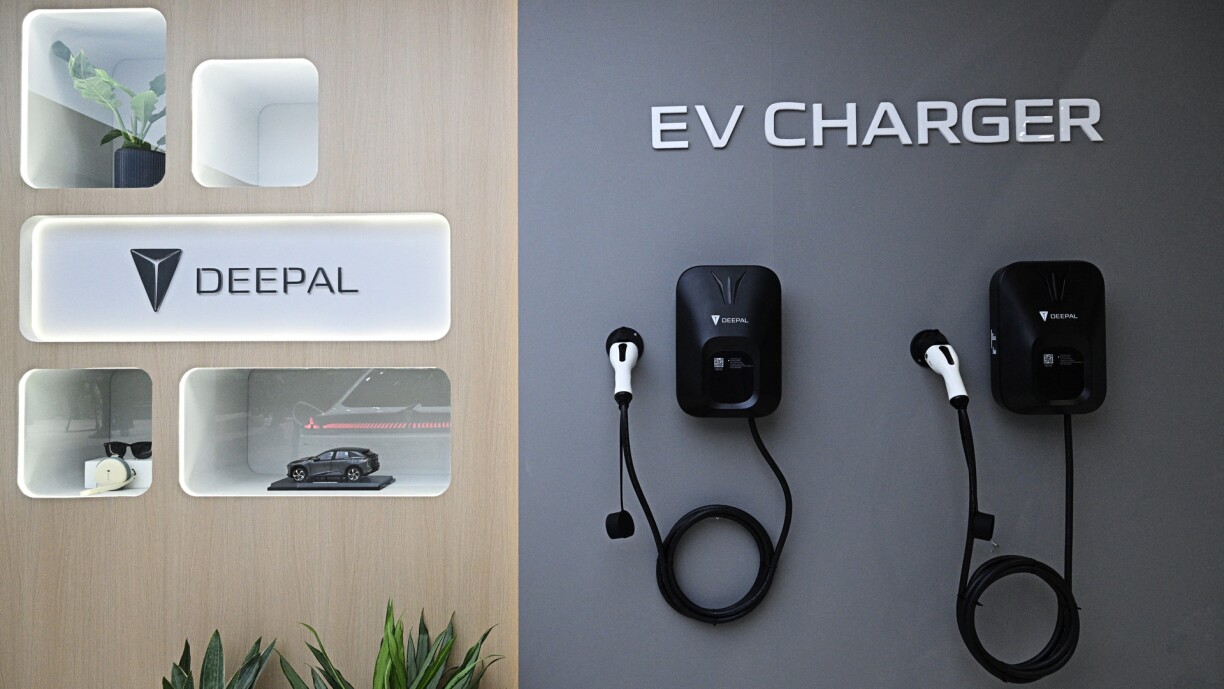
In Luxembourg, electric vehicle (EV) sales are not meeting the ambitious targets set by policymakers, with current EV registrations at 22.5% while the goal for 2030 is 49%, leading to calls for renewed government incentives and support.
The House of Automobile in Luxembourg has observed a stagnation in EV momentum, attributing this to the expiration of subsidies and a nearly non-existent second-hand market for EVs, prompting suggestions for a government bonus for used EVs.
The Luxembourg Motoring Association (ACL) emphasises the need for new bonus schemes and clearer policy frameworks to accelerate EV adoption amid concerns about technology evolution, vehicle depreciation, and high upfront costs.
Not on course – Luxembourg is currently facing challenges in meeting its set targets for electric vehicle adoption. Despite a relatively high percentage of new registrations being electric vehicles (22.5%), the nation is still far from its ambitious goal of having 49% of its car fleet electrified by 2030.
The shortfall has raised concerns among policymakers and industry stakeholders, who are now urging the government to reintroduce or enhance incentives to boost EV adoption. This call for action highlights the need for consistent governmental support to transition towards a more sustainable automotive future effectively.
Lack of second-hand market – The EV market in Luxembourg has hit a rough patch, primarily due to the removal of earlier government subsidies which significantly slowed down new electric vehicle purchases. Additionally, the resale market for electric vehicles is practically non-existent in the country, with most used EVs being sold abroad.
This lack of a robust second-hand market discourages potential buyers who are concerned about the future value of their investments. In response, the House of Automobile has suggested that the government should consider introducing incentives specifically for used electric vehicles to stimulate the market and sustain the momentum towards electric mobility.
New bonuses on the horizon? – The ACL is advocating for the introduction of a clear and structured bonus scheme for both new and used electric vehicles after observing slower than expected uptake. They highlight the importance of such initiatives to overcome the barriers of high initial costs and technological uncertainties that consumers face.
The ACL also points out the necessity of transparent policies that can help build consumer confidence and encourage wider adoption. Their focus is not just on boosting sales but also on ensuring that consumers feel secure about their vehicle's value and functionality over time.
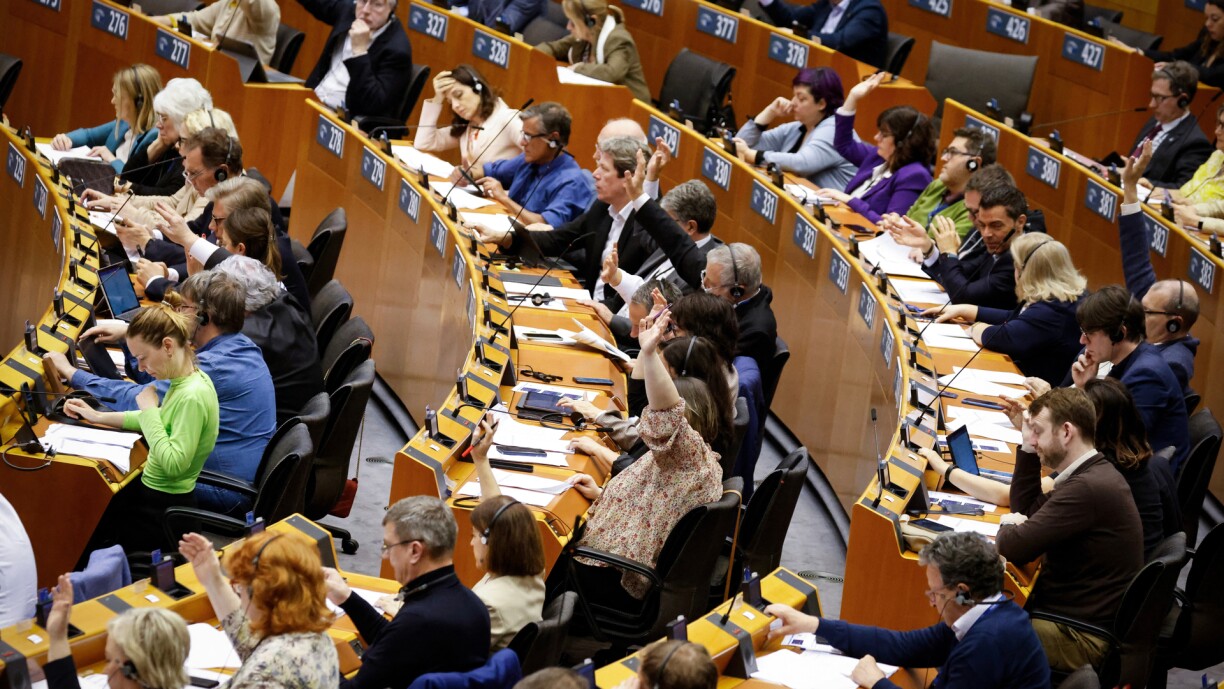
The EU Parliament passed a significant reform of its asylum policies, aiming to strengthen border controls and mandate shared responsibility among member states for handling migrants.
The reform faced strong opposition and protests, with critics from both sides of the political spectrum arguing it compromises EU values and human rights or fails to sufficiently restrict irregular migration.
The new policies, set to be implemented in 2026, include creating border centres to process asylum requests and expedite deportations, and require EU countries to accept or support asylum-seekers from frontline states like Italy and Greece.
Frontline support – The European Union Parliament approved a sweeping reform of its asylum and migration policies after years of negotiation and contention. This reform introduces tougher border controls and establishes a system of "mandatory solidarity" where all 27 member states are required to share the responsibility for migrants, either by hosting them or providing support to other member states.
This is seen as a crucial step to manage and distribute the pressures faced by frontline states such as Italy and Greece, which have been the primary entry points for many migrants into the EU.
Criticism across the board – The passage of the new asylum pact was not without controversy, attracting protests from both inside and outside the parliamentary chamber. Detractors included far-left and far-right political groups, over 160 migrant charities, and numerous non-governmental organisations.
Critics argue that the reforms betray fundamental European values by potentially compromising the treatment of asylum-seekers, particularly through the establishment of border centres where individuals can be held while their claims are processed. Conversely, far-right factions believe the measures are insufficient in curbing what they perceive as the threats posed by irregular migration to European identity.
A decade in the making – Scheduled to take effect in 2026, the newly adopted asylum policies are part of a broader strategy to improve the EU's management of migrant flows, which surged significantly in 2015 due to conflicts like the Syrian civil war. The policies aim to alleviate the disproportionate burden on southern EU countries by implementing a more equitable distribution of asylum-seekers across the union.
The approach includes the option for countries to provide financial or other types of assistance instead of directly accepting migrants. Additionally, the pact also controversially allows for the possibility of sending asylum-seekers to third countries deemed "safe" if they have ties to those nations. This is part of the EU's broader strategy to engage neighbouring countries in managing migration flows through cooperation agreements.

Mexico has sued Ecuador at the International Court of Justice (ICJ), demanding that Ecuador be suspended from the United Nations unless it apologises for storming Mexico's embassy in Quito to arrest former vice president Jorge Glas.
The raid, which violated the 1961 Vienna Convention on diplomatic relations, has led to international condemnation and a breakdown in diplomatic ties between Mexico and Ecuador.
Ecuador defends the action as necessary, while Mexico seeks provisional measures to protect its embassy and personnel, amid broader regional and international discussions on the incident.
Lawsuit filed – Mexico has initiated legal proceedings against Ecuador at the ICJ, demanding significant diplomatic consequences. The suit centers on the dramatic incident where Ecuadoran security forces forcibly entered the Mexican embassy in Quito to apprehend Jorge Glas, a former Ecuadoran vice president who had been granted asylum by Mexico.
Mexico's action seeks to have Ecuador suspended from the United Nations unless it issues a public apology acknowledging its breach of international laws that govern diplomatic relations and the inviolability of embassy premises.
Diplomatic conventions violated – The storming of the Mexican embassy by Ecuadoran forces has sparked widespread international outcry, viewed as a clear violation of the 1961 Vienna Convention, which outlines the framework for diplomatic relations and explicitly protects embassy grounds from intrusion.
This incident has not only strained the bilateral relations between Mexico and Ecuador, leading to the withdrawal of diplomats and a formal severance of ties, but it has also attracted condemnation from various countries and international bodies, including the United States, the European Union, and Latin American nations, highlighting its significance in international diplomacy.
Raid justified – Despite the international backlash, the Ecuadoran government defends its decision to raid the Mexican embassy, arguing that the action was necessary to capture Glas, who was considered a flight risk and was facing new charges of corruption. Ecuador's President Daniel Noboa has expressed a willingness to resolve differences through dialogue, although his administration's actions have led to significant diplomatic fallout.
Concurrently, Mexico has requested the ICJ to impose provisional measures to ensure the safety of its diplomatic staff and the security of its embassy facilities in Ecuador, indicating ongoing concerns about further potential violations.
Business & Tech – Apple on Thursday promised it would stop a Palestinian flag emoji from being suggested to some iPhone users when they type "Jerusalem" in messages.
Science & Environment – Fast fashion giants H&M and Zara have used cotton from farms linked to massive deforestation, land-grabbing, corruption and violence in Brazil, a report by the environmental group Earthsight said Thursday.https://today.rtl.lu/news/world/a/2066108.html
Entertainment – The Cannes film festival will give Star Wars creator George Lucas an Honorary Palme d'Or award at its closing ceremony this year, organisers said Tuesday.

Your Weekly Recap is published every Friday at noon. Read earlier versions.





