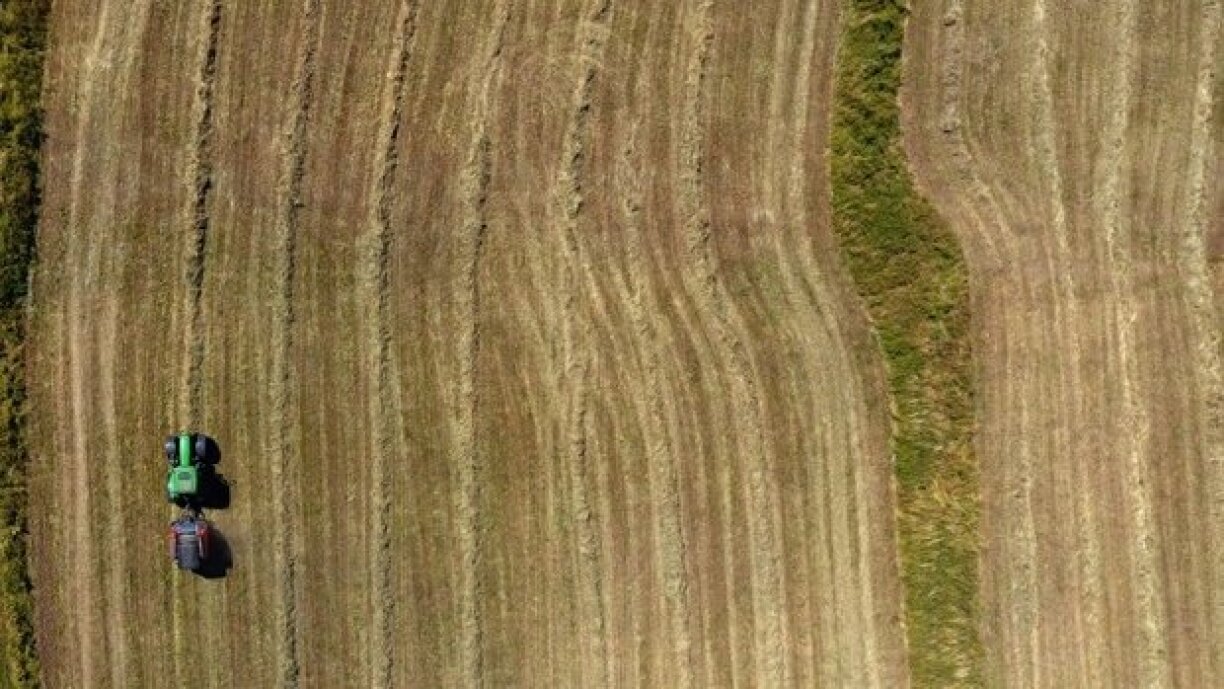
One particular issue that was at the centre of discussions is the fact that five million tonnes of wheat will be missing from this year's harvest, due to the lack of imports from Ukraine. The EU expects this figure to jump up to about 20 million tonnes in 2023.
This will also have an impact on African countries. According to estimates by international experts, an additional 50 million people could be affected by famine.
While discussions on numerous aspects had not yet concluded by Thursday evening, the ministers all agreed on one important observation: the food supply in the European Union is not at risk at this point in time.
The EU is looking for ways to safeguard food security and reinforce the resilience of food systems. This includes concepts such as the protein crop strategy. However, these are essentially long-term strategies.
Grains, energy, fertilisers: Prices have skyrocketed since the war broke out. The European Commission has decided on an aid package of €500 million for the agricultural sector. Additional aids are allowed, with Minister of Agriculture Claude Haagen stating that he intends to double them. If the State Council approves the measures, the aids could total around €1.5 million.
The EU ministers also discuss the best ways to support the Ukrainian agricultural sector. The Ukrainian Minister of Agriculture will join the discussions via video call. The sector plays an important role in the Ukrainian economy. However, due to the war, the harvest will be significantly reduced and difficult to export, as many ports are under Russian control.
The full report (in Luxembourgish) by RTL Télé:





