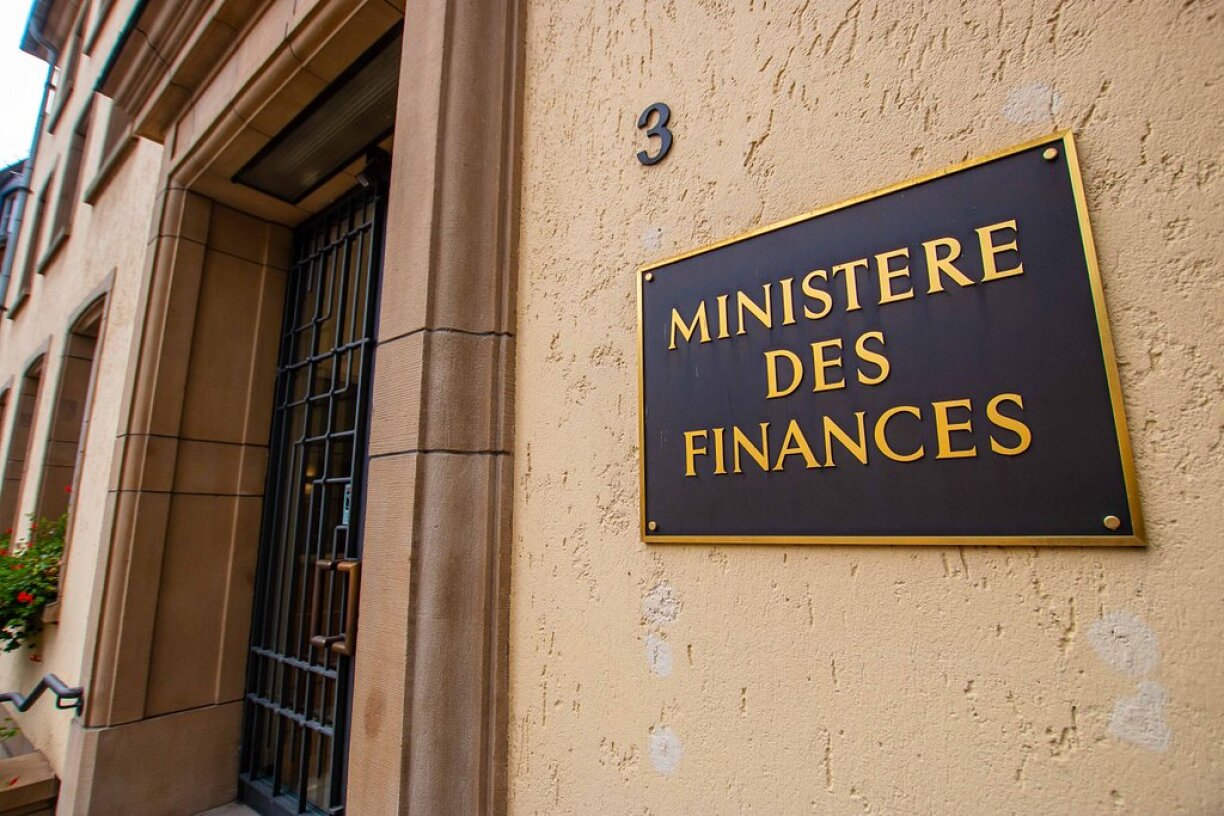
As the government moves forward with its tax reform aimed at increasing households' net income, pressure on public finances is growing, including rising investment needs, geopolitical uncertainty, and slower-than-expected economic growth all weighing on the state budget. The response now is a push for savings.
This is at least the message conveyed in an internal memo from the Ministry of Finance sent to government departments and ministries. The issue was also discussed on Monday during a meeting of the parliamentary finance committee, where a reform of the budgetary procedure was on the agenda.
The aim is to introduce clearer and more transparent structures, as Finance Minister Gilles Roth explained. He said it would be his task, by the end of the legislative period, to propose a number of changes to both the budget procedure and its presentation, to be implemented in the next term.
Among the proposed changes is a stronger focus on objectives within the budget, as well as tighter oversight of funds. Budget policy has also become a key issue within ministries.
At the beginning of February, the Ministry of Finance sent a memo, to which RTL gained access, calling for stricter control of spending and a reduction in recruitment to a minimum. The document states that every euro spent must be justified by real needs, signalling that it is time to curb expenditure.
According to MP André Bauler of the Democratic Party (DP), reviewing public spending is both necessary and logical. He argued that when drafting a budget, it is essential to assess how effective expenditure is, what it aims to achieve, and whether it delivers the expected results. He described this approach as standard and responsible financial management.
For MP Franz Fayot of the Luxembourg Socialist Workers' Party (LSAP), the need to save is not surprising, but it raises concerns. He warned that it remains unclear which areas might no longer be prioritised, expressing fears that this could signal the beginning of an austerity path that might eventually affect social measures.
The document also sets a cap on expenditure growth at 4.5% per year. This is a maximum threshold, meaning that if certain costs exceed expectations, savings will need to be made elsewhere to compensate, according to the document.
For MP Sam Tanson of The Greens (déi gréng), this could pose risks. She pointed out that the memo suggests that even measures already planned under the climate strategy are not guaranteed, and could be reconsidered if budgetary pressures increase, for example due to defence spending or additional tax reforms.
Roth rejected this interpretation, stating that the memo does not call existing commitments into question. Instead, he said, the focus is on determining what can be implemented and when, including in areas such as investment, climate, and energy.
Roth also emphasised that over the past two years, the government has not questioned commitments made by previous administrations, particularly in matters related to the environment.





