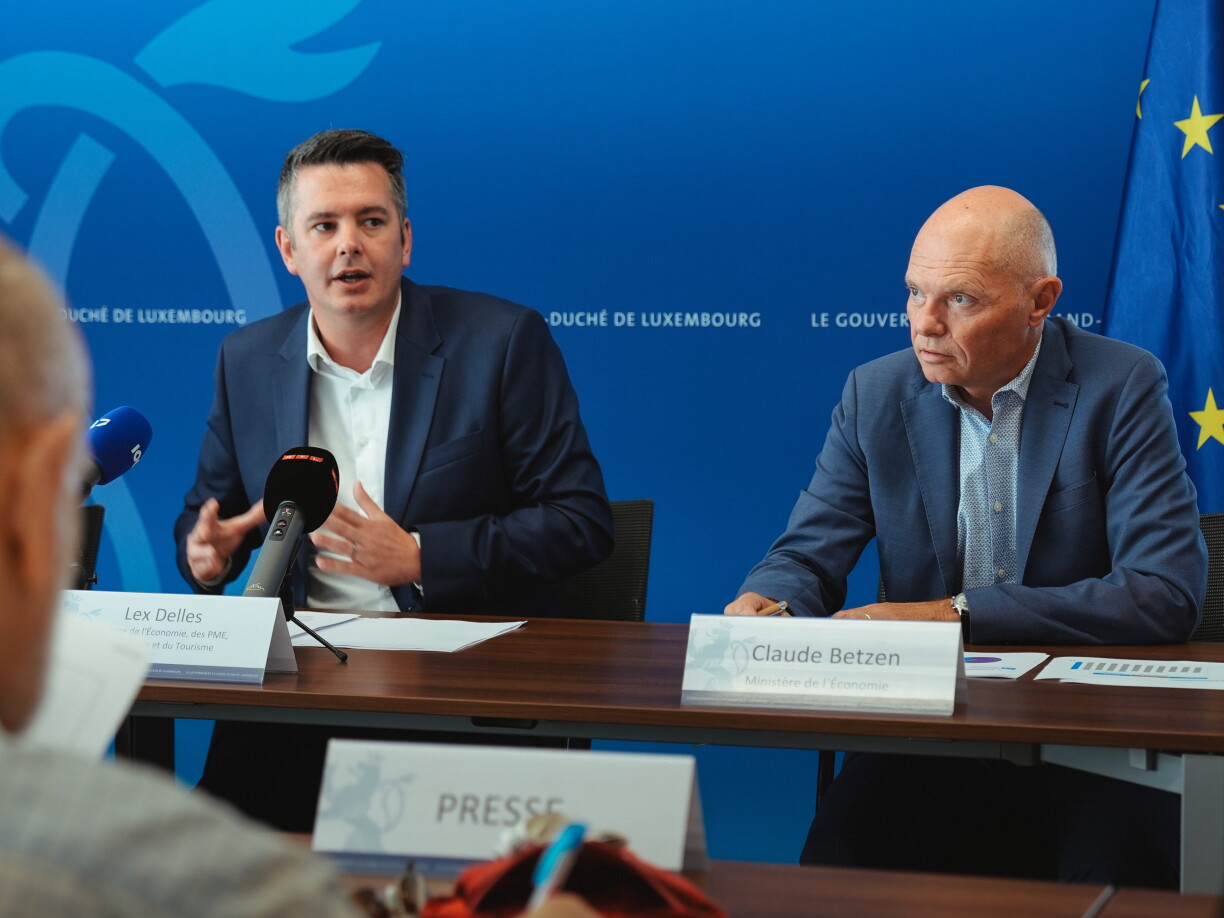
Entrepreneurs who have previously gone bankrupt could soon be allowed to accumulate higher levels of debt before being barred from starting a new business under a government proposal to reform Luxembourg’s business licensing law, known as the "Droit de l’établissement". The draft legislation, presented by Minister for the Economy Lex Delles on Thursday afternoon, was submitted to parliament at the start of the month.


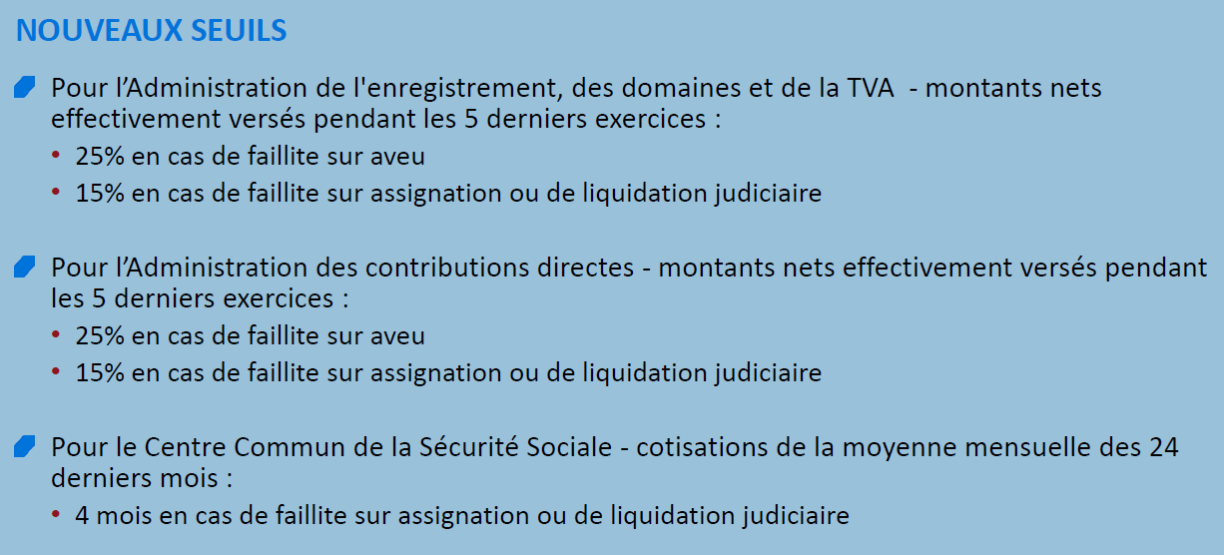
Currently, those wishing to obtain a new business licence after bankruptcy must secure clearance from the tax, social security, and registry authorities, provided their outstanding debts do not exceed a very low threshold. The 2023 reform set this threshold at just 1% of the claims, meaning entrepreneurs often had to work as employees to pay off their debts before launching a new venture. The government now proposes to raise this limit to 25% or 15%, depending on the circumstances of the bankruptcy, to give failed entrepreneurs a "second chance".
In addition to higher debt ceilings, the reform aims to bring Luxembourg in line with the principles of the European single market by removing the requirement for company managers to be physically based in Luxembourg. The new rules would also simplify procedures for certain activities that require neither specific qualifications nor compliance with anti-money laundering regulations. For these, a simple notification will suffice, and authorities will have up to three months to review the file, rather than requiring formal pre-approval.
Last year, anyone who wished to apply had to wait an average of 6.6 days for their application to be processed
Lex Delles noted that in 2023, around 12,500 applications were submitted for a business licence, only slightly down from the previous year. However, the number of first-time applications or new business creations increased from 5,700 to 6,800, driven mainly by the retail sector, which accounted for more than 5,100 new enterprises. The crafts sector also saw nearly 2,000 new businesses established.
An unexpectedly high number of new companies in the construction sector is partly due to the inclusion of building maintenance firms in the statistics. Meanwhile, the “retail” category also covers self-employed delivery drivers, a segment that appears to be growing steadily.
Although exact numbers are unknown, Minister Delles referenced a parliamentary reply provided to The Left (Déi Lénk) in February, which indicated that last year, 535 individuals declared themselves as platform-based delivery drivers. This figure is almost as high as the combined total for the previous four years and nearly double the number reported in 2024 to date.





