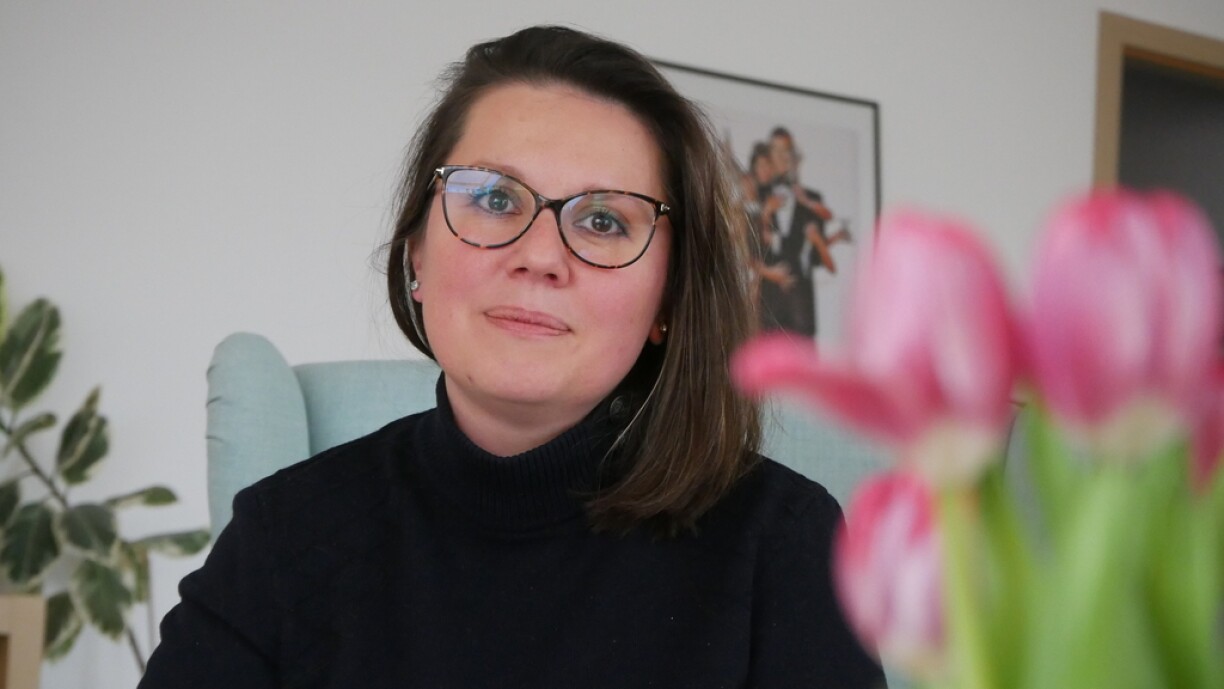
Since 24 February, the first day of Russia's invasion of Ukraine, Anna's life has been turned upside down. This Saturday she will once again be "at the front" of the anti-war demonstration organised by the non-profit organisation LUkraine, taking place at the Central Station at 2pm.
'Everything we are going through is extremely violent. Our families are there. Seeing our country in this situation - the children, the hospital bombings, the mothers...'
"Even if we are going through difficult times, we remain strong. We have no choice - for Ukraine, for those who are there and those who leave the country", Anna says.
Natalya and Youri, her parents, stayed in Poltava, a city of nearly 300,000 people between Kharkiv and Kyiv. There was some shelling around the military airfield at the beginning of the conflict, but despite the warnings of sirens and threats of attack, Poltava has, so far, been spared.
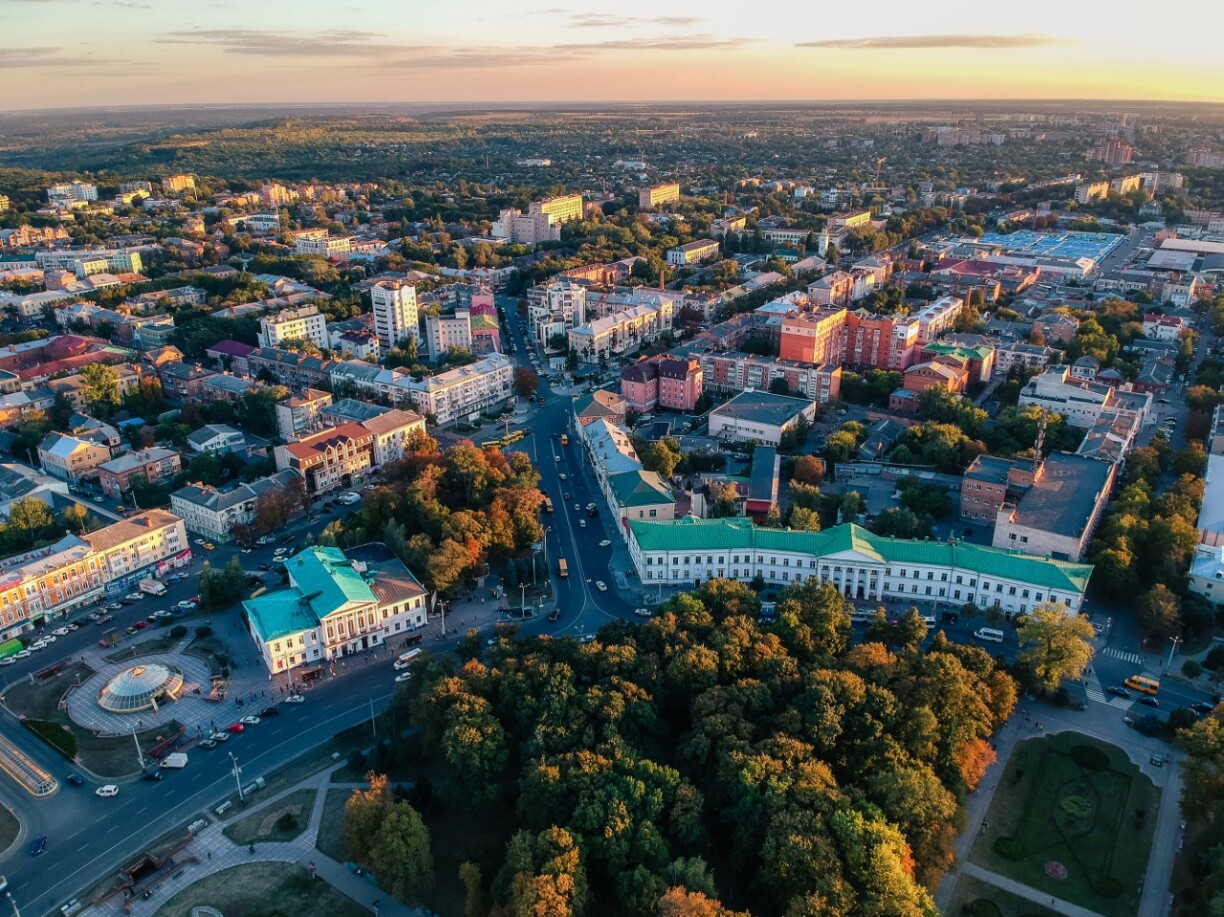
Anna teaches French to Ukrainians and citizens of Baltic countries who arrive in Luxembourg.
She arrived in Luxembourg five years ago with her French husband, but she "has no time to turn on the news" to follow the developing situation at home. She invests all her energy into supporting her family, livelihood and native country.
Anna is active behind the scenes as a coordinator on the LUkraine committee.
She says that 'we must react quickly' to ensure aid such as clothes, and medicines as well as helmets and bulletproof vests reaches Ukraine. She also believes it is essential for NATO to close the country's skies, to prevent further bombing.
"Since 2014, we have been living in a military state of mind that civilians normally should not have," says Anna. She refers to the Revolution of February 2014 which led to the appointment of a pro-European government in Kyiv. Her son Frédéric saw Grandma Natalya making camouflage nets last summer. "My mother is a volunteer in Ukraine".
She says that "there is no longer any doubt today that Ukraine has proven it is a part of Europe, with its democratic values, as was already the case in 2014".
She has met ambassadors, the mayor of Luxembourg City and even the Grand Duke to share her work and knowledge.
Anna has observed how Luxembourg is mobilising in favour of Ukraine and the refugees, mainly women, children and the elderly, who are arriving. Nearly 3,000 Ukrainian refugees have already applied for temporary protection in Luxembourg.
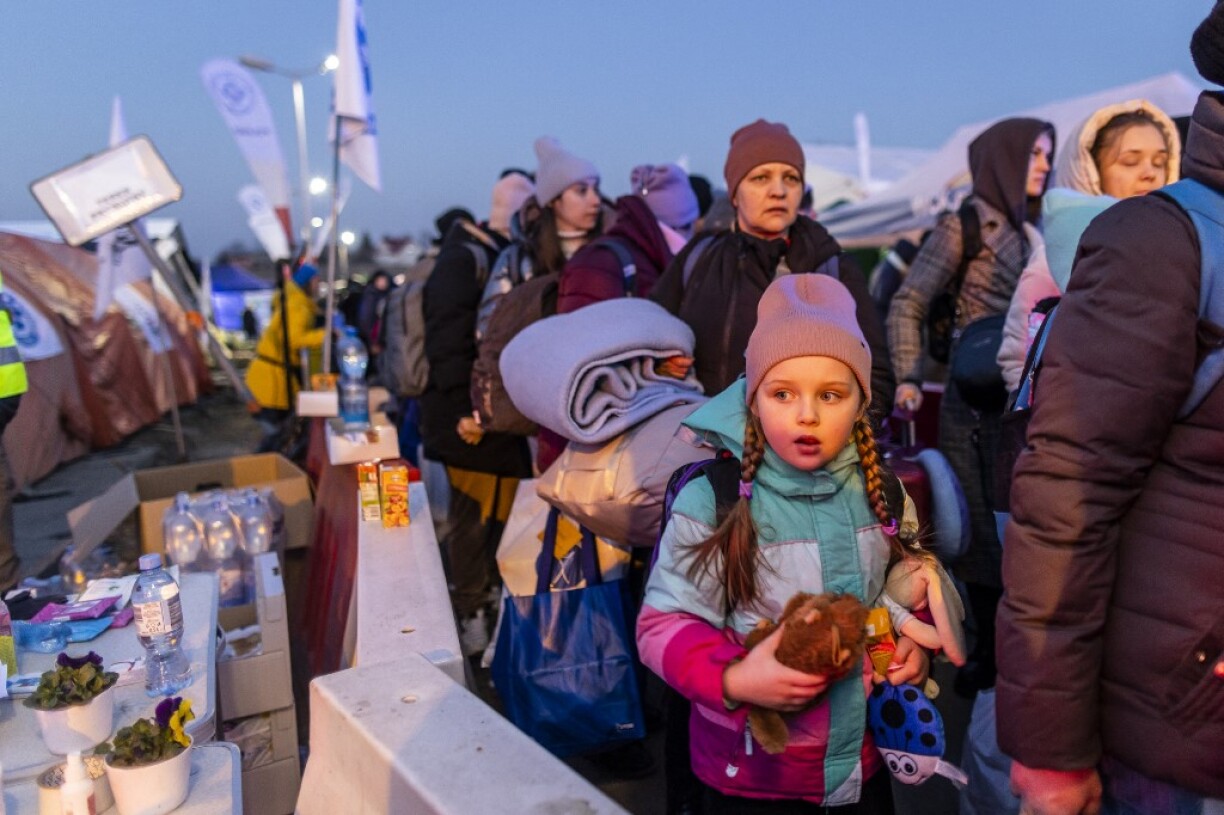
More than three weeks after the start of the invasion "people continue to support us, they want to help. We receive a message every minute on our website from people ready to pick up refugees, who offer a room, an apartment, or to help sort things out,” explains Anna.
But LUkraine's main task, like the Luxembourg government, is to ensure the reception and inclusion of all these refugees at all levels of society, from healthcare to education and accommodation.





