
Here are five things you should know at the end of this week:


Luxembourg is undergoing final preparations ahead of election Sunday when voters will decide over who will lead the next government.
To the polls - Sunday 8 October marks national (or legislative) elections in Luxembourg, with the country's citizens casting their vote and determining who will lead the country for the next five years.
RTL Today coverage - The RTL Today web team will be with you throughout election Sunday through a dedicated live ticker. Through it we will share with you the latest updates, interviews with politicians, statements from the parties, interviews with voters, galleries, videos, and more.
We will have a full team in place from early morning right until the end of affairs, and welcome the submission of questions and reader questions as well.
Today Radio coverage - Our colleagues at Today Radio will be live from 8pm with a special election live show, hosted by Lisa Burke with help from trusted news reader Sasha Kehoe. Together they will deliver the latest election updates as they come in, in addition to interviews with politicians and other stakeholders throughout the night.

Luxembourg is the first European nation to initiate a pioneering immunisation campaign against respiratory syncytial virus (RSV) using 'Beyfortus', an antibody-based medication, not a traditional vaccine, to protect newborns and at-risk children under two.
Beyfortus, administered through intramuscular injection, has shown to potentially reduce the risk of hospitalisation for bronchiolitis by 80%, with extensive testing indicating a high safety profile.
The immunisation campaign follows a severe bronchiolitis epidemic in 2022, which led to the hospitalisation of 421 young children, sparking action to prevent future outbreaks.
First in Europe - Luxembourg has embarked on an innovative journey to combat the respiratory syncytial virus (RSV) through a groundbreaking immunisation campaign. This initiative, primarily targeting newborns and young children at risk, employs 'Beyfortus' – a medication infused with antibodies.
Unlike conventional vaccines, Beyfortus delivers immediate immunity, a crucial feature for newborns exposed to RSV risks shortly after birth. Initiated at the Luxembourg Maternity Hospital, this campaign marks a proactive step, placing Luxembourg among the pioneering European nations addressing RSV with such immediacy and innovation.
80% drop in hospitalisation risk - The introduction of Beyfortus is backed by compelling evidence of its efficacy and safety. Administered via intramuscular injection, this antibody-based medication has demonstrated a significant potential to reduce hospitalisation risks associated with bronchiolitis by 80%.
Reaction to 2022 epidemic - The urgency and innovation of this immunisation campaign are underscored by the aftermath of a severe bronchiolitis epidemic that swept Luxembourg in 2022. With 421 young children hospitalised and a significant number requiring intensive respiratory assistance, the epidemic illuminated the acute vulnerability of this demographic.
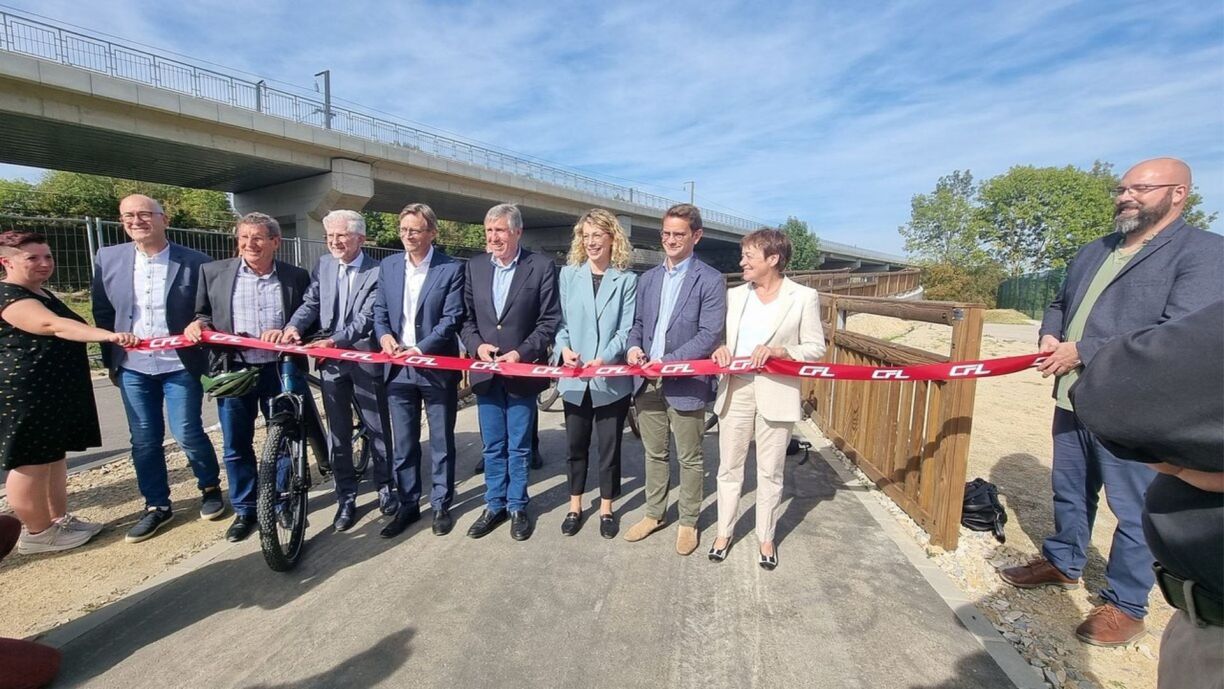
The first express cycling lane from Bettembourg to Luxembourg City has been unveiled, promoting sustainable, multimodal mobility and connecting key public transport hubs while crossing a Natura 2000 protected area.
Environmental concerns have been addressed through rigorous planning and collaboration between administrations, ensuring the preservation of nature and including solutions for flood protection.
Although only 100 kilometers of the planned 430 kilometers of cycling tracks have been built, officials aim to complete the track from Bettembourg to Luxembourg City by 2025 and connect Dudelange by 2028.
Improving regional mobility - The inauguration of the express cycling lane stretching from Bettembourg to Luxembourg City signifies a robust step towards enhancing sustainable mobility in the region. It not only offers a green alternative for transportation, but it is meticulously designed to integrate with central public transport hubs, facilitating a seamless, eco-friendly commute.
The track weaves through the serene landscapes of a Natura 2000 protected area and accentuates the commitment to fostering an equilibrium between modern infrastructural developments and environmental preservation.
Environmental concerns - The journey to realising this ambitious project was not devoid of environmental concerns, given the sensitive ecosystems harboured in the Natura 2000 protected area.
However, a holistic approach characterised by rigorous planning and collaboration among various administrations proved pivotal. The incorporation of flood protection measures, exemplified by a strategically placed bridge, underscores a comprehensive effort to blend innovation with nature conservation.
A long way to go - Currently, only 100 kilometres of the cycling tracks are operational, a fraction of the 430 kilometres proposed back in 2018. Eyes are now set on connecting Bettembourg to Luxembourg City by 2025. The overarching plan is even more ambitious, aspiring to extend this green artery to Dudelange by 2028.
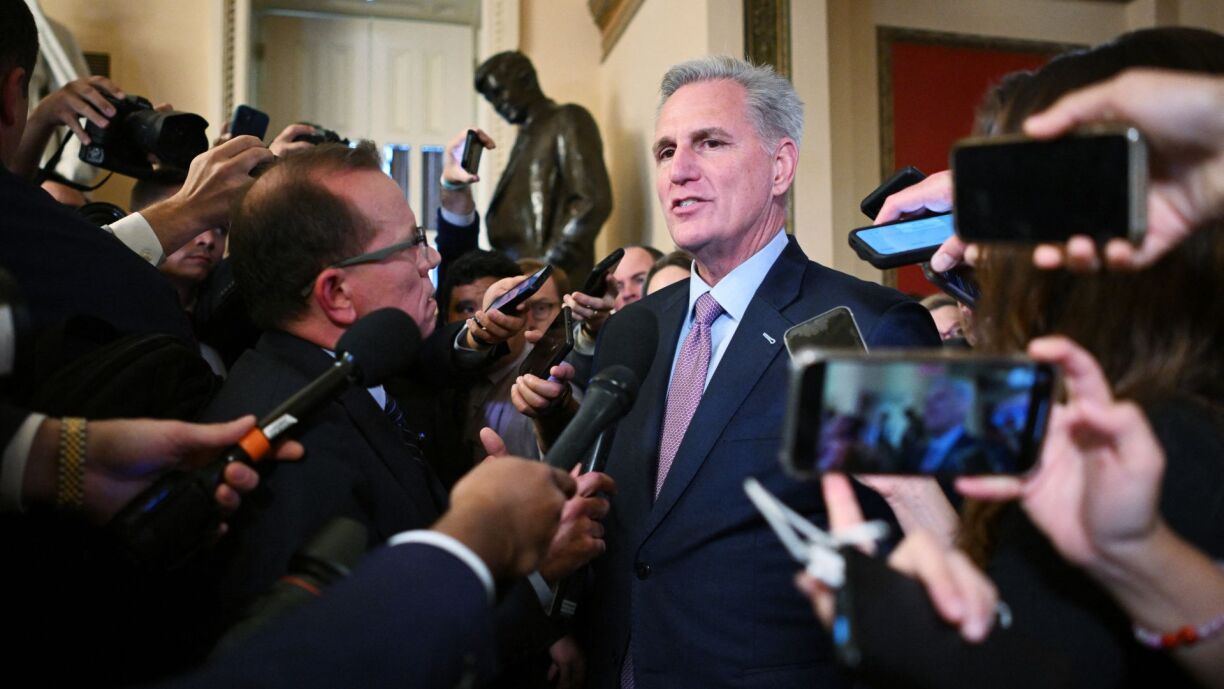
Kevin McCarthy was ousted as House Speaker by far-right Republicans, marking a historic event that exposed significant divisions within the party ahead of the 2024 election.
The move was driven by accusations of broken promises and cooperation with Democrats, garnering limited support but succeeding due to a nearly even division in the House and lack of Democrat intervention.
This development may lead to increased uncertainty and infighting among Republicans, complicating the party’s positioning and unity in the upcoming presidential election.
Republicans divided - Kevin McCarthy's ousting after only nine months is a reflection of the intense and growing fractures within the Republican Party. The far-right faction's dissatisfaction stemmed from McCarthy's perceived failure to adhere strictly to conservative principles and his willingness to cooperate with Democrats.
This historic rebellion against McCarthy underscored the widening ideological gap and operational disarray within the party. As Republicans strategise for the 2024 elections, this development might trigger a reevaluation of their collective identity and policy stance to foster unity.
Democrats not to the rescue - The rebellion against McCarthy was fueled by a narrative of betrayal and collaboration with the opposing party. Despite the limited support from the broader Republican caucus, the dissenting faction capitalised on the almost evenly divided House.
Democrats, witnessing the internal GOP conflict, opted for non-intervention, allowing McCarthy’s ouster to proceed. This event highlighted the precarious balance of power in the House and showcased how internal divisions could be exacerbated by strategic non-intervention from the opposing party.
Uncertainty - The removal of McCarthy is expected to usher in a period of uncertainty and heightened internal conflicts within the Republican Party. As the party grapples with ideological divides, the absence of a unifying figure could lead to disarray and impact the GOP's electoral prospects in 2024.
McCarthy's ouster may trigger a power struggle among different factions within the party, with the far-right wielding significant influence. This power dynamics and ideological clash are anticipated to shape the Republicans' policy stance, electoral strategy, and public messaging in the lead-up to the next presidential election.
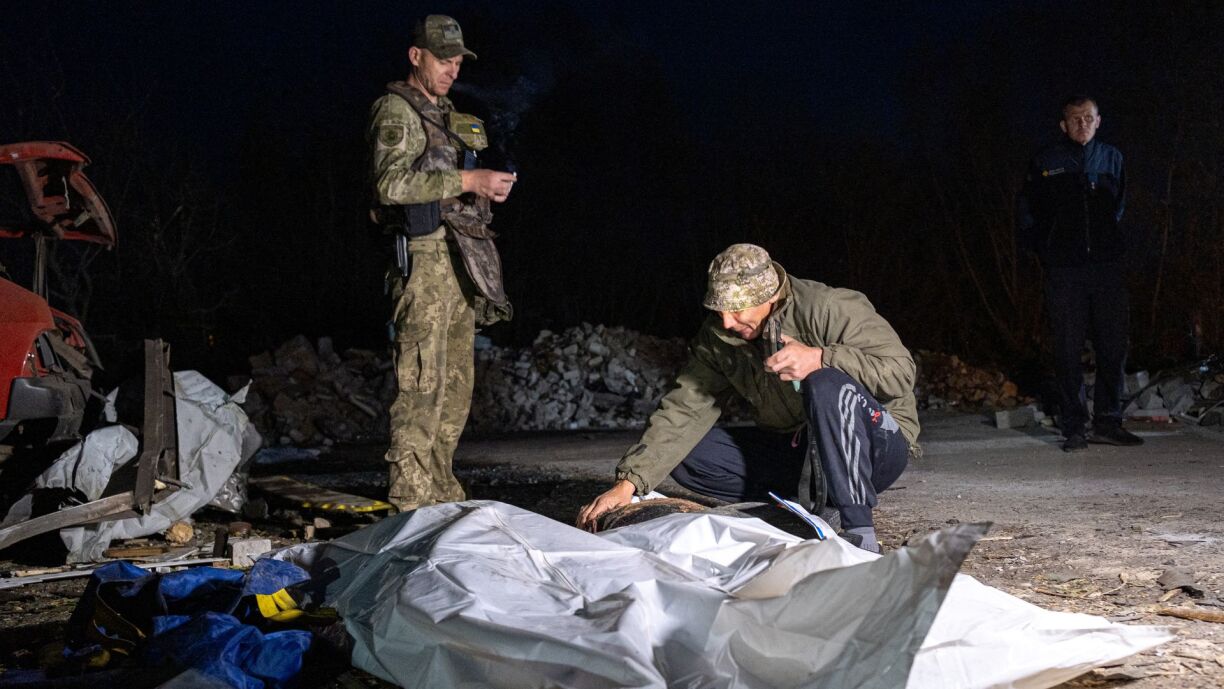
A Russian missile strike killed 51 civilians at a wake in Groza, a village in northeastern Ukraine, drawing international outrage and warnings of a potential war crime from the UN.
Ukrainian President Volodymyr Zelensky condemned the attack as deliberate, securing agreements for more defense support from multiple European countries including air defense systems and artillery.
Moscow reported destroying eight Ukrainian drones but did not comment on the missile strike, while international leaders and organisations expressed horror and condemnation, labelling the attack a demonstration of Russia's depravity.
Potential war crime - The small village of Groza in northeastern Ukraine faced a tragedy when a Russian missile struck a wake, killing 51 civilians. This act of violence elicited global outrage, with Western leaders and international bodies condemning the devastating attack.
The United Nations went as far as to warn that this act could potentially be categorised as a war crime, underlining the severity and inhumanity of the incident. The victims, including a six-year-old child, were attending a memorial service, highlighting the deep personal and emotional toll of the event.
New defence commitments - Ukrainian President Volodymyr Zelensky, amidst his attendance at a European summit in Spain, did not hold back his condemnation, firmly asserting his belief that the missile strike was a deliberate act of aggression by Russian forces.
In a swift response to bolster Ukraine’s defence capabilities, Zelensky secured commitments from several European nations including Spain, Italy, France, Germany, and Great Britain to supply Kyiv with enhanced air defence systems and artillery. German Chancellor Olaf Scholz’s announcement of providing a new Patriot air-defense system epitomized Europe’s tangible support for Ukraine amidst the ongoing conflict.
International condemnation - The horror and condemnation echoing across the international community intensified in the wake of the missile strike, with British Prime Minister Rishi Sunak's remarks encapsulating the sentiment of many by highlighting the "depths of depravity" to which Russian forces had sunk.
While the world expressed its outrage, Moscow maintained a stark silence on the missile strike, reporting instead on their destruction of eight Ukrainian drones. The silence underscores the escalating tensions and complex dynamics characterising the ongoing conflict, sparking profound concerns over the humanitarian implications and potential escalation into a broader conflict.
Business & Tech - Google on Wednesday said its latest premium-priced Pixel phone would have powerful generative AI models running independently on the device, as the search engine giant seeks to lure buyers away from the latest iPhone.
Science & Environment - A coalition of 45 countries pledged Tuesday to raise $12 billion for conservation and restoration of coral reefs, which are threatened worldwide by the effects of climate change.https://today.rtl.lu/news/world/a/2066108.html
Entertainment -Advance ticket sales for the movie of Taylor Swift's 'Eras' tour have topped $100 million worldwide, theatre operator AMC said Thursday, making it the best-selling feature-length concert film in history.
Viral video - An impressive manoeuvre by a Cargolux pilot, skilfully executing a graceful 'wing-wave' with a Boeing 747-8 during takeoff, has garnered the admiration of millions as a viral video from 2014 resurfaces.
Travel - Efforts are underway to reduce the travel time between Luxembourg City's central railway station and Brussels to two hours by the year 2030.
Film - 'Läif a Séil', a groundbreaking Luxembourg western directed by Loic Tanson, is set to premiere in October.

Your Weekly Recap is published every Friday at noon. Read earlier versions.





