Hunters feel like they are being discriminated against and complained about the lack of consultation regarding how the African Swine Fever issue should be dealt with. It looks like communication between the Ministry and hunters is proving to be a bit difficult.
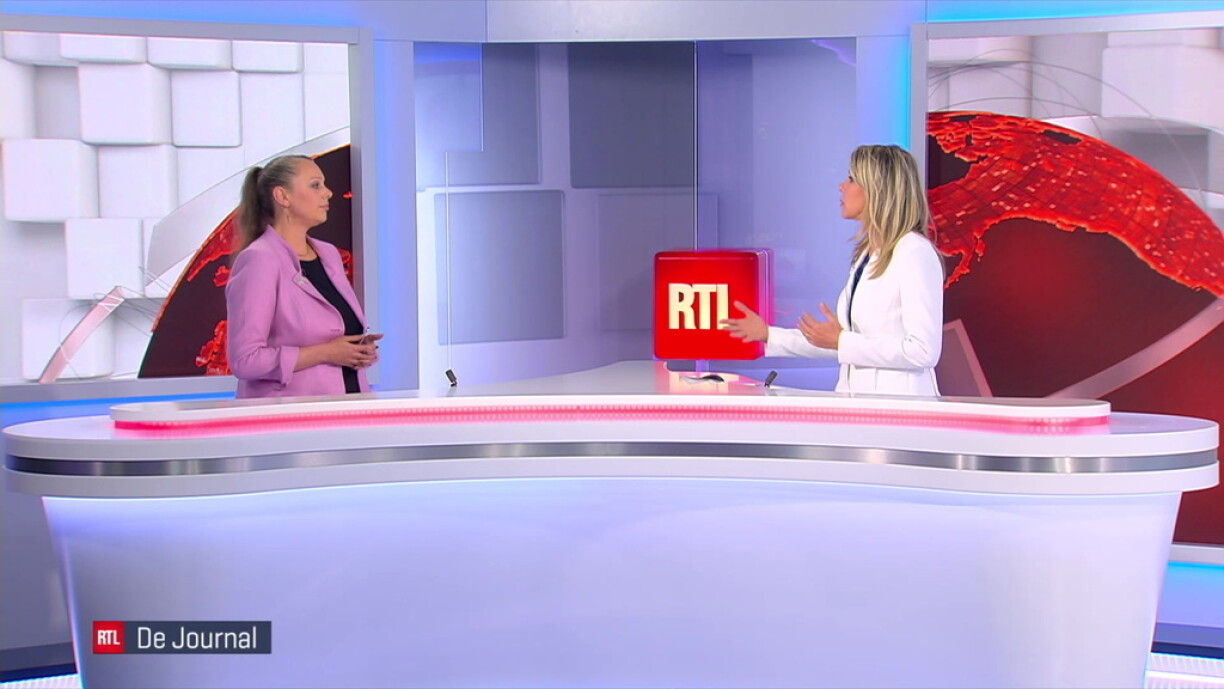
In a recent interview, the Minister for the Environment, Carole Dieschbourg, explained that her door was always open and that the Ministry always tried to include hunters in the debate surrounding African Swine Fever. She therefore sees the hunters' point of criticism as unjustified, as there has been a lot of collaboration, especially in the context of the African Swine Fever crisis, including joint press conferences. A point of debate, however, could be how said discussions are taking place: Dieschbourg expressed regret over the fact that, for the common good, not all decisions can be made jointly.
Prevention measures against African Swine Fever include targeted shooting of boars in the designated White Zones. The question directed at the Minister was whether hunters had been included in the decision making process of this measure.
Dieschbourg specified that collaboration with the people on the ground, including hunters, was a factor from the very beginning. The official stance was that hunters would need to reduce the number of wild boars. An expert of the Union had also concluded that Luxembourg had taken the necessary measures at the right time.
The Minister emphasised again that they had always tried to work together with the hunters and that it was important to keep doing so in the future.
Hunters don't share this point of view - that much was clear at the General Meeting. At said meeting, the question arose whether there is an ideological war, whether déi Gréng simply have fundamental problems with hunting, as it currently is. In addition, there are the new regulations regarding battue.
It is important to 'modernise hunting', said the Minister, especially given the public's dwindling acceptance of the practice. Modern hunting methods should take the animals' welfare into consideration and hunters should act in line with environmental protection.
Hunting should then respect animal protection, environmental protection and all users of the forest. It must therefore be discussed how hunting and hunting methods can become increasingly more modern. Part of this process is, for instance, the new weapons law, which makes it illegal to handle a weapon if you have consumed alcohol.
A further point of criticism by Georges Jacobs, former head of the Hunters’ Federation, was that he is no longer allowed to work as a teacher for the hunting license, as he, according to the Minister, doesn't have the right competences.
She highlighted the importance of providing a good, scientifically accurate course. In her role as Minister for the Environment, Dieschbourg is responsible for the provision of the best possible education for future hunters. Mr Jacobs' written course, however, included some polemic views regarding environmental protection and hunting. That is why the Minister chose to professionalise the course, which is what she told Mr Jacobs. She emphasised that it was not a personal, but a professional decision, in order to provide better training. She added that her door was always open for renewed dialogue.
The Minister defended her actions stating that she only had young hunters' best interests at heart and wants to provide them with good quality training.
Jacobs then also requested that the government should address discrimination against hunters. This was acknowledged by Minister Romain Schneider. Dieschbourg also called for mutual respect, as she wishes for better cooperation with hunters in the future.
Carole Dieschbourg's procedure was illegal and undeserving, claims Georges Jacobs





