In response to a parliamentary inquiry from representatives Mars Di Bartolomeo and Yves Cruchten (LSAP), Bausch showed interest in the cross-border projects of the CFL, the national railway company of Luxembourg. He also responded to his Belgian counterpart, who recently expressed regret for the inability to provide free transport.
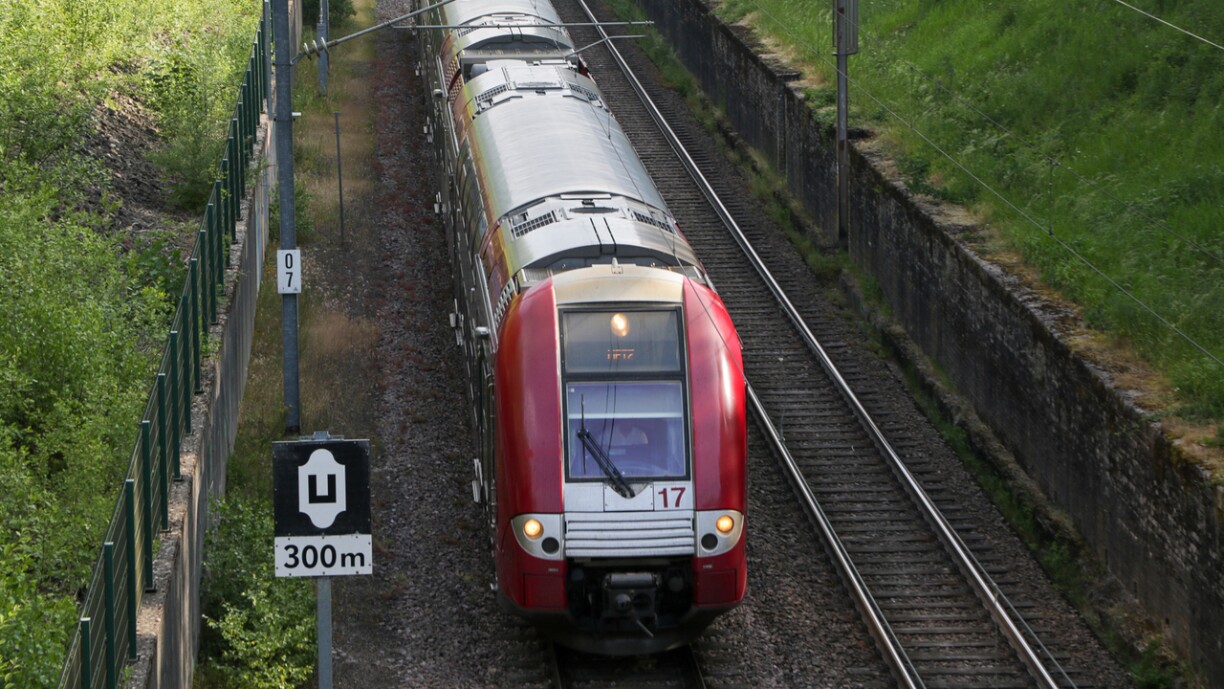
When queried by the representatives, Minister Bausch emphasized that the CFL and the SNCB (the Belgian railway company) are currently collaborating to facilitate rail transport for cross-border commuters. "Given that the line to Brussels has already been electrified at 25 kV AC up to Hatrival, it is conceivable that trains departing from Luxembourg could reach Libramont without needing to switch lines," he explained.
This is a significant improvement, as passengers currently have to transfer at Arlon. A study is now being conducted to ascertain the benefits of this proposal. "The results are expected to be available this year," the Minister of Mobility elaborated.
However, extending Luxembourg's policy of free access to Libramont is not possible for cross-border transport. The obstacle arises from an "interpenetration rule" between Luxembourg and its three neighboring countries: "The Belgian state would need to bear the cost beyond the border via their public service contract."
As it stands, Luxembourg cannot afford to subsidize the cost of operating trains beyond its borders, much as the neighboring countries cannot do so for their trains travelling to Luxembourg. Despite the absence of completely free public transport, cross-border commuters did benefit from fare reductions when Luxembourg transitioned to free mobility in 2020.
Cross-border workers are aware of exceptions like the Volmerange-les-Mines station, which is located in France but operated by Luxembourg, where the trains are free.
Nonetheless, François Bausch assured that the government's policy remains unchanged. This policy continues to involve "collaborating closely with the three neighboring countries to enhance the quality of public transport services through investments in infrastructure, thereby increasing service reliability and capacity."