
After being separated from his two sons during a family trip to Mexico, a Luxembourg father says he began trying to locate them while pursuing legal action in both Mexico and Luxembourg. An initial attempt to see the children at a police station in northern Mexico did not lead to a reunion.
Later, after persistent efforts, the father located the children through the school's online registry and visited the school to request documentation confirming their enrollment and well-being, as well as any registered home address.
When he returned to Mexico a few days later, the school director initially promised the documents within 15–20 minutes, but while he was waiting in the director's office, she instead informed him that the police were on the way. Six officers arrived, handcuffed him in the school, and removed him from the premises. Following his lawyer's intervention, he was released shortly thereafter.
Despite the children's location being known as of today, he cannot safely approach them without risking arrest. Despite his lawyers' insistence that there was no legal basis for his detention, he says he has not seen his sons since.
Although both he and his children hold Danish and Luxembourgish passports, the father alleges the Danish embassy declined to assist when he reported them missing, leaving him without diplomatic support. In the absence of a Luxembourg embassy in Mexico, the embassy in Washington DC, which covers the region, has been informed and is in contact with the father's legal team.
Luxembourg authorities have launched two cases, one involving the alleged international abduction of the children and the other concerning divorce proceedings.
Meanwhile, in Mexico, the father has filed several legal proceedings against his wife, including charges of false accusations, family violence, procedural fraud, fabricated evidence, illegal arrest, child abduction, and parental alienation.
Many of these legal proceedings remain pending with the local authorities, reportedly stalled due to the well-known slowness and inefficiency of parts of the Mexican legal system.
The father and his legal team are increasingly concerned that the lack of progress may also be influenced by institutional bias, as the father is a European citizen while the mother is Mexican, raising serious concerns about equal treatment before the law. As a result, the search and legal actions to locate and recover the children have faced significant delays.
Simultaneously, the Luxembourg Foreign Ministry is actively engaged with Mexican authorities, requesting official information on the children’s whereabouts as part of ongoing diplomatic efforts. Meanwhile, the father has been advised by legal counsel not to return to Mexico due to the risk of further detention.
Despite the warning, the father made 21 trips between Luxembourg and Mexico during 2024 and 2025 in search of his children and to work with Mexican lawyers to pursue the ongoing legal proceedings.

For more than two years, the father has tried to obtain a divorce, but progress has been blocked because his wife’s whereabouts remain unknown and she has not received official court papers. Attempts to notify her – including sending letters via Washington to the Mexican Embassy (intended to reach a Mexican judge), SMS, email, and notices in public newspapers – have all failed to produce confirmation of delivery.
The Luxembourg court rejected his request to proceed by alternative means, insisting that he must first locate his wife so she can be formally notified before the divorce can proceed. Over two years, he has spent around €60,000 in legal fees for the divorce alone, yet the divorce has still not been granted.
"This whole ordeal has left me financially drained," says the father. He hopes a divorce will end this painful chapter and allow him to reunite and rebuild his life with his sons.
Asked about his experience, the father reflected: "My answer is simple – When a father can lose his children overnight and the system meant to protect them fails you, justice no longer feels real – it feels like an illusion. People often ask me what this experience has taught me. And I answer honestly: “For me, justice feels like an illusion."
His frustration is compounded by the staggering financial and emotional toll: over €250,000 spent in the past two and a half years on lawyers in Luxembourg and Mexico combined, private investigators, legalised witness statements, psychological reports, and multiple trips to Mexico to defend himself and locate the kids.
The cumulative burden has left him deeply distrustful of the system.
Psychological assessments from earlier proceedings, reviewed by RTL Today, indicate that the children never accused their father of any physical violence. Instead, the reports record the children saying that their father had "left them," no longer loved them, and that they believed he was in Denmark.
The father and his lawyers argue that these findings point to parental alienation. They add that the children were sent to another location on the day the police removed the father from the home and did not witness the event – something they say contributed to the children's belief that he had abandoned them voluntarily.
The father warns that such manipulation could inflict long-term emotional trauma and hopes that the mother will stop using the children as pawns in a marital dispute.
Mexico and Luxembourg are both signatories to the The Hague Convention on the Civil Aspects of International Child Abduction, which is designed to ensure the prompt return of children wrongfully removed or retained across borders.
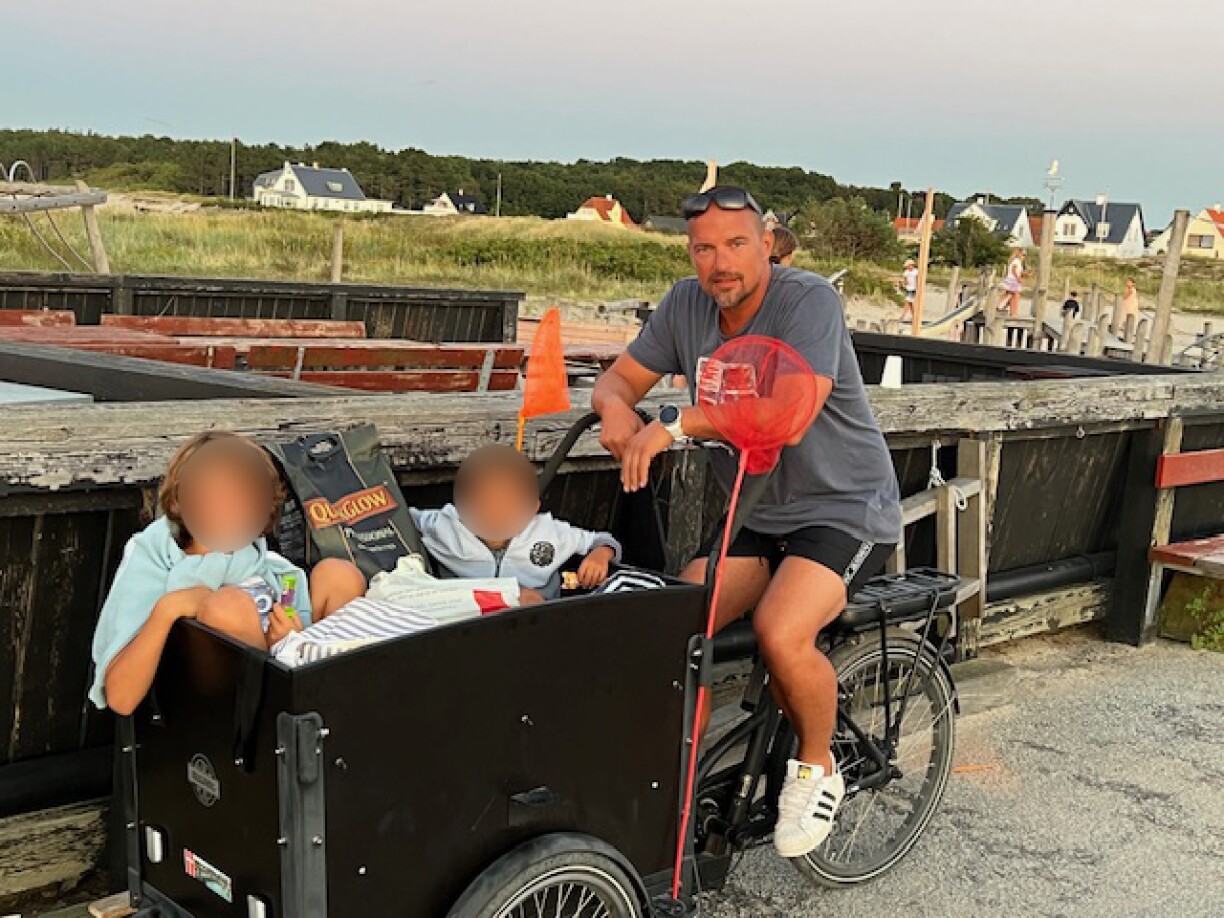
Legal experts note that while the Hague Convention provides a framework for the return of abducted children, its effectiveness depends heavily on local enforcement. Allegations – even when unproven – can significantly delay proceedings, which may take years to resolve. Weak coordination and systemic issues across institutions can further hinder enforcement.
Despite these obstacles, the father says he remains determined. “I fight every day to bring my sons home and keep them safe,” he said, adding that it is important to him that they know he never abandoned them.
Experts in family law say such cases show how cross-border custody disputes can escalate, and how challenging it can be for European parents to enforce custody rights abroad, even when the children hold EU passports.
RTL contacted the mother for comment, but had not received a response at the time of publication.
"If my sons ever read this,” he said, "I want them to know that I love them deeply and unconditionally. I have never abandoned them. My greatest wish is to see them again, to make up for the time we have spent apart, and to be the father they deserve. I will continue to fight to be a part of their lives".
The mother disputes the father’s characterisation of the situation and says the matter is being addressed through legal proceedings in Mexico.
In a written response to RTL Today, the mother said a judge in Mexico granted her provisional custody of the children and rejected the father's claim that he cannot see them, saying he has not cooperated with the legal process.
She also disputed the father's account of incidents involving the children's school and said police were called because he was causing a disturbance. According to her, she later moved with the children for safety reasons but says she remains reachable through her lawyers.
She denied abducting the children and said the dispute should be resolved through the courts.





