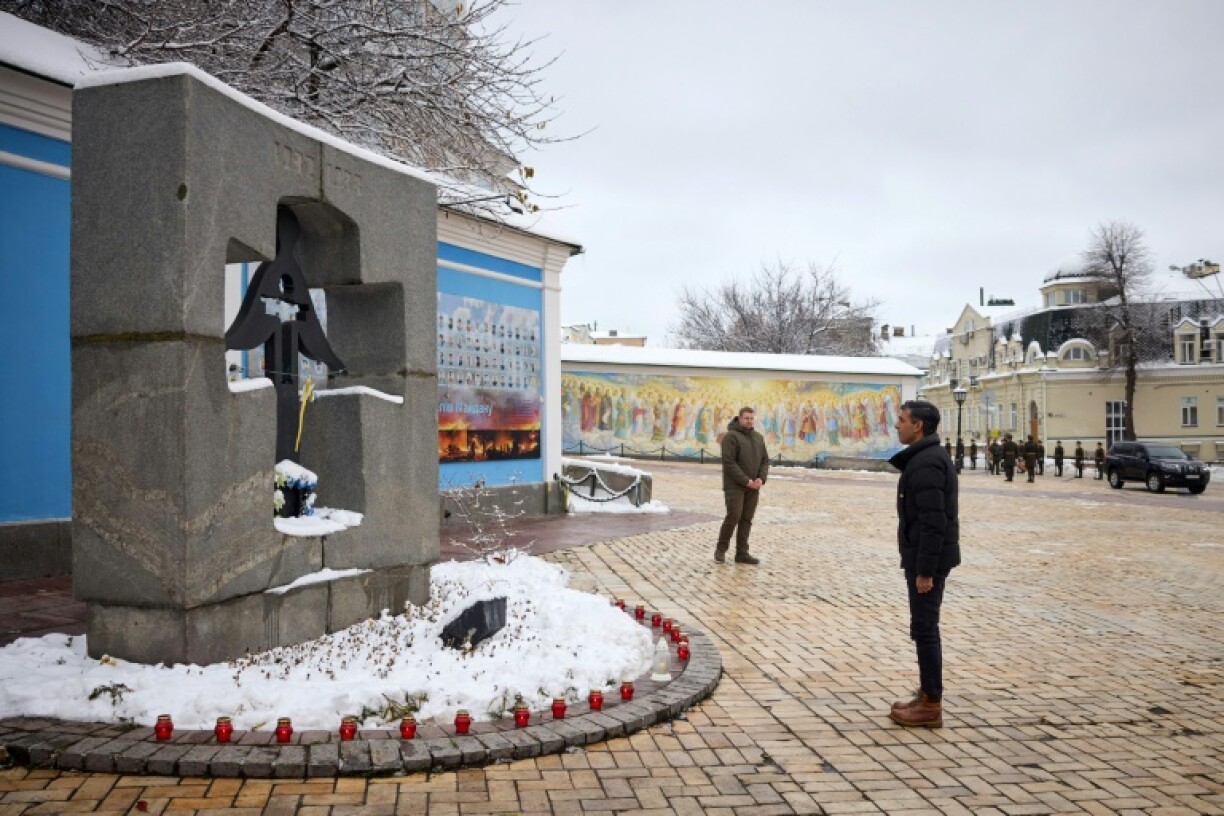
The Holodomor was a devastating man-made famine that occurred in Ukraine as a result of the policies of Joseph Stalin's Soviet government, which aimed to force Ukrainian peasants into collective farms by requisitioning grain and other food products.
This left the population without enough food to sustain themselves, leading to mass starvation. Estimates of the death toll vary greatly, but it is generally accepted that millions of Ukrainians died during this period.
The term "Holodomor" specifically refers to the victims of the famine, and it is derived from the Ukrainian words for hunger (holod) and extermination (mor). Despite the magnitude of the tragedy, the Holodomor was denied or downplayed by the Soviet government for many years.
Ukraine's Foreign Minister, Dmytro Kuleba, expressed his approval of the Chamber of Deputies resolution in a tweet.
As it stands, the Holodomor genocide against the Ukrainian people has been acknowledged by the legislative bodies of nearly thirty countries globally, mostly in Europe.
Earlier this year, recognition was extended by several institutions including Iceland's Parliament, the upper house of the French parliament, and the House of Commons in the United Kingdom.
The full text of the Chamber of Deputies resolution can be found (in French)here.