
Pierre*, a seasoned head waiter employed by Sodexo, the largest employer in the Luxembourg catering sector, sheds light on the demanding nature of the job. Starting the day at 6.30am and often finishing at 7pm, 8pm, or even later, Pierre, like many cross-border workers, endures long working hours to supplement his income.
Despite holding a vocational baccalaureate in hotel and catering and accumulating nearly a decade of experience in the private sector, Pierre earns "just over €2,700 net per month." Faced with a corporate culture where salary increases are considered taboo, he relies on overtime to boost his earnings.
Workers across various domains, from company restaurants to school canteens, crèches, hospitals, and care homes, find themselves sacrificing family and social time to ensure quality service – and always "with a smile, please."
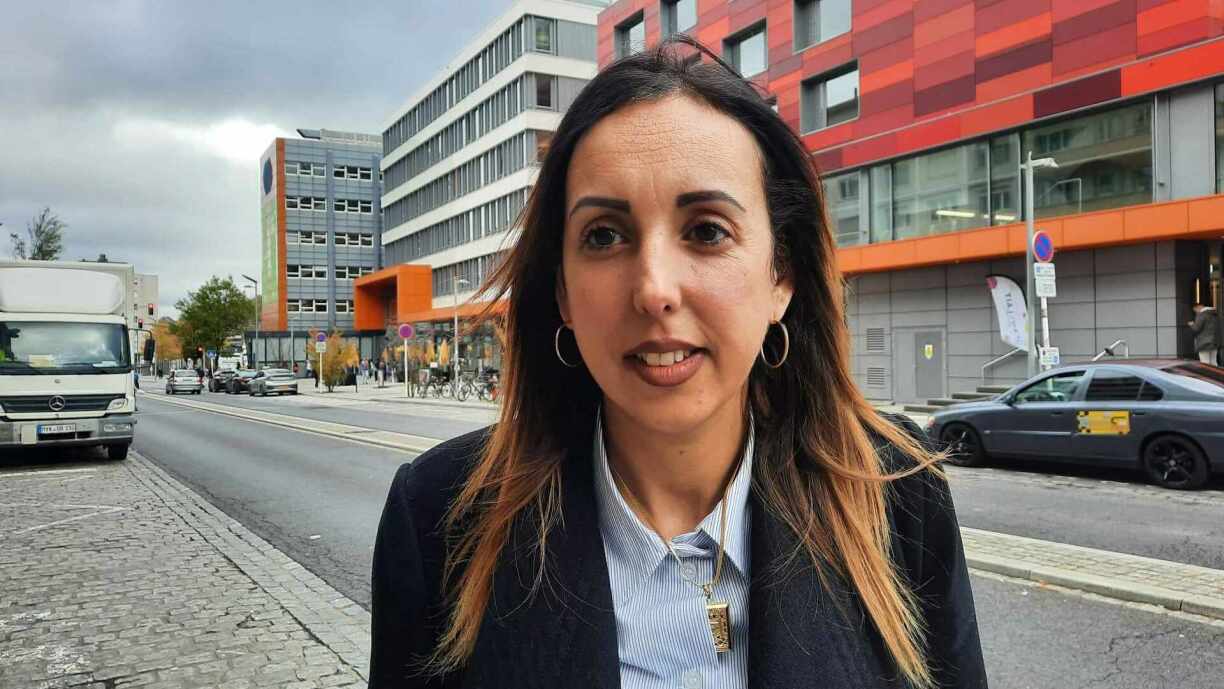
However, on Wednesday, these employees will gather in a demonstration to advocate for "a 13th month's pay and a collective labour agreement for all sector employees, because we want the whole sector to be on the same page," says Semia Mhadhbi, chairwoman of the Sodexo delegation at the Independent Luxembourg Trade Union Confederation (OGBL). The protest picket is scheduled for 3.30pm in front of the European Investment Bank in Kirchberg.
It remains to be seen how many of the 4,500 employees in the sector in Luxembourg will take action. Whether they serve as waitstaff, kitchen assistants, head waiters, or maîtres d'hôtel, they are all demanding the same thing: a tangible acknowledgment of their daily dedication. Prior to organising the picket line, the OGBL extensively consulted with staff across the sector, ensuring "unanimous" support for the call for a 13th month's pay, according to Mhadhbi.
Mhadhbi stresses the challenging nature of the work, stating, "it's very hard, very stressful work." Dealing with demanding customers while being constantly under the scrutiny of both patrons and employers takes a toll, both psychologically and physically, Mhadhbi sums up without taking a breath, as if she were in the kitchen.
According to the OGBL, nearly 80% of sector employees earn salaries ranging from the minimum unskilled social wage (€2,570) to the minimum skilled social wage (€3,085). In practice, unskilled workers typically earn between €2,150 and €2,300 monthly, while skilled employees take home between €2,500 and €2,700. Pierre emphasises that the only increases they see are the result of wage indexations.
Jana Kouakou Vitezova, heading the staff delegation at CR Services within the Luxembourg Red Cross, sheds light on the challenges faced by nearly 120 employees daily. She stresses the increasing efforts required for hygiene, especially when serving vulnerable populations like the elderly and children.
Vitezova laments the financial strain, expressing, "On our salaries, we can't even go to restaurants; we're excluded from the feast because we can't buy quality food." While CR Services employees receive an annual bonus under specific conditions, the broader issue remains the need for fair compensation.
Employers in the highly competitive sector often emphasise their unique "differentiation criteria," a point not contested by the OGBL. However, the trade union remains steadfast in its refusal to homogenise criteria that have already cost them "20 years of waiting."
*Name changed by the editorial team





