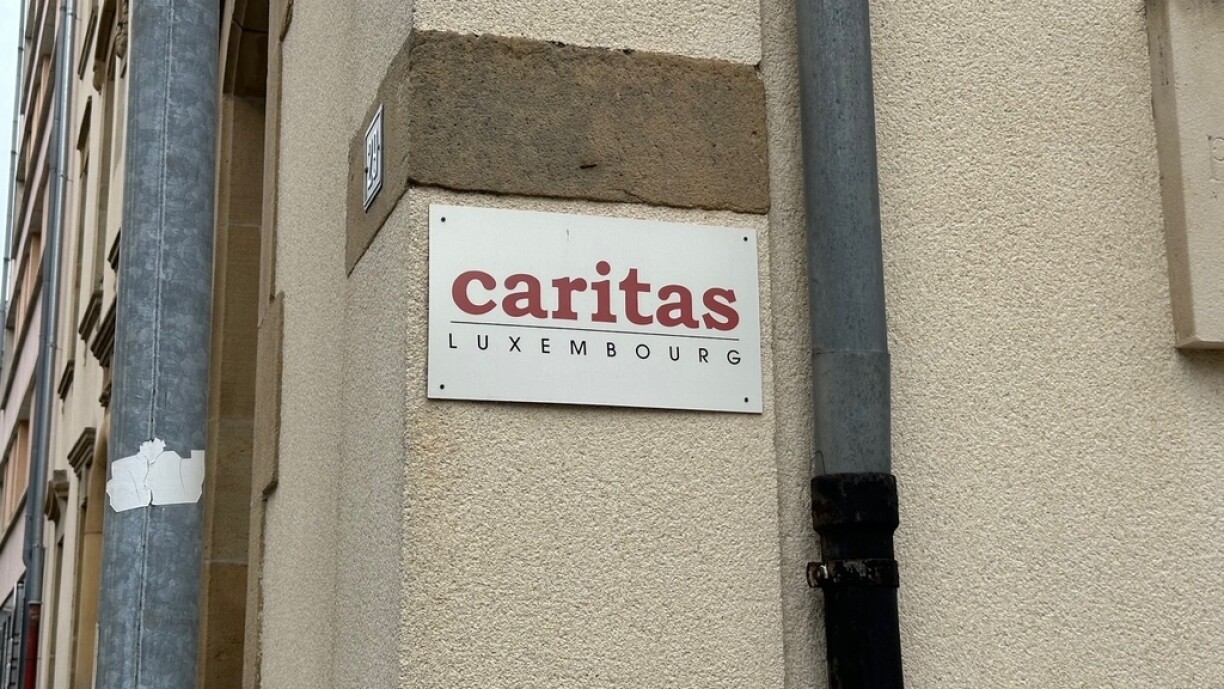
The €61 million embezzlement scandal involving the Luxembourg non-profit Caritas has dominated headlines throughout the summer. The scandal saw multiple bank transfers made from two banks–BGL BNP Paribas and Spuerkeess–to a bank in Spain, raising questions about the role of the financial institutions involved.
As details continue to emerge, it is becoming clear that the actions of the banks warrant closer scrutiny, says financial expert Claude Arendt. According to reports and rumours within the sector, Caritas allegedly secured credit lines from BGL BNP Paribas and Spuerkeess, but was denied a similar credit request by a third bank. This discrepancy has led to investigations by both the Financial Sector Supervisory Commission (CSSF) and the European Central Bank (ECB).
Read also: Following embezzlement case: Caritas restructure to carry over majority of staff
Spuerkeess, one of the 113 "important" banks in Europe due to the size of its balance sheet, falls under the direct supervision of the ECB in Frankfurt. Given this, Arendt argues that it is no surprise that both the ECB and CSSF are looking into whether internal control mechanisms at the banks failed and how such large transfers were approved.
The ongoing investigations are expected to provide answers in the coming weeks and months. However, Claude Arendt also calls for the Spanish bank BBVA to be scrutinised. Arendt argues that crucial guidelines, particularly those related to Know Your Customer (KYC) and anti-money laundering (AML) regulations, may not have been properly followed.
Read also: BBVA responds to Caritas scandal: Spanish bank imposed 'restrictions' on accounts concerned
Arendt explains that KYC and AML regulations require banks to thoroughly understand their clients and monitor their activities, a responsibility that extends not only to individuals but also to companies, funds, and organisations. This includes well-known entities like Caritas, which, according to Arendt, should have been subject to the same level of scrutiny as any other client.
Multiple large-sum transfers to the same account in Spain over a short period, coupled with a mismatched beneficiary name, should have raised immediate red flags, according to the financial expert. He argues that such transactions must be carefully scrutinised and documented, both in Luxembourg and abroad.
Arendt also questions why Caritas would need to transfer around €10 million from a credit line to a Spanish bank account. He believes that the banks involved should have flagged and documented this transaction. According to Arendt, both the Luxembourgish banks and the receiving bank in Spain should have requested documentation explaining the large sums. If such documentation was not provided, the banks should have blocked the accounts, he adds.
The expert highlights that so-called "in/out" transactions–large amounts of money being transferred in and out without a clear purpose–are a well-known red flag for financial misconduct and should trigger further scrutiny.
In Arendt's view, the banks bear a share of the responsibility in the Caritas scandal and will not be able to escape accountability easily.





