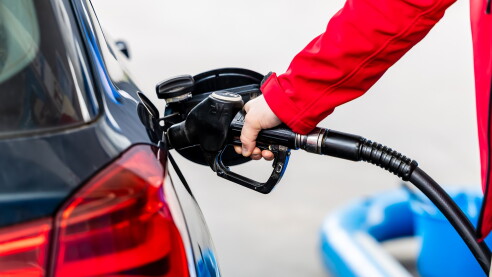
Several petrol stations across Luxembourg experienced brief shortages of specific fuel types in recent weeks. According to Eric Bleyer, president of the Luxembourg Energy and Mobility Consortium (GEML), these incidents were largely caused by low water levels on the Rhine, which had a significant impact on the delivery of petroleum products.
However, Bleyer reassured in an interview with RTL that there are no underlying supply problems affecting the country as a whole:
At the moment, we are not experiencing any shortages in Luxembourg. What we are seeing, however, is that our supply chains are much longer right now because ships can no longer deliver to certain depots. This means that industry players have to establish alternative transport routes. In some cases, lorries need to make two or three trips for a single delivery.
Bleyer explained that the vast majority of petrol stations in Luxembourg remained fully supplied, and any shortages of particular fuel types were limited to only a few hours at certain locations. He emphasised that such shortages, when they occurred, were isolated and short-lived.
Bleyer also pointed out that the increased costs resulting from longer or adjusted transport routes will not be passed on to consumers. In Luxembourg, maximum fuel prices are determined based on international oil quotations and the exchange rate of the US dollar, meaning transport costs do not directly impact prices at the pump.
According to Bleyer, petrol companies will therefore have to "carry the costs".