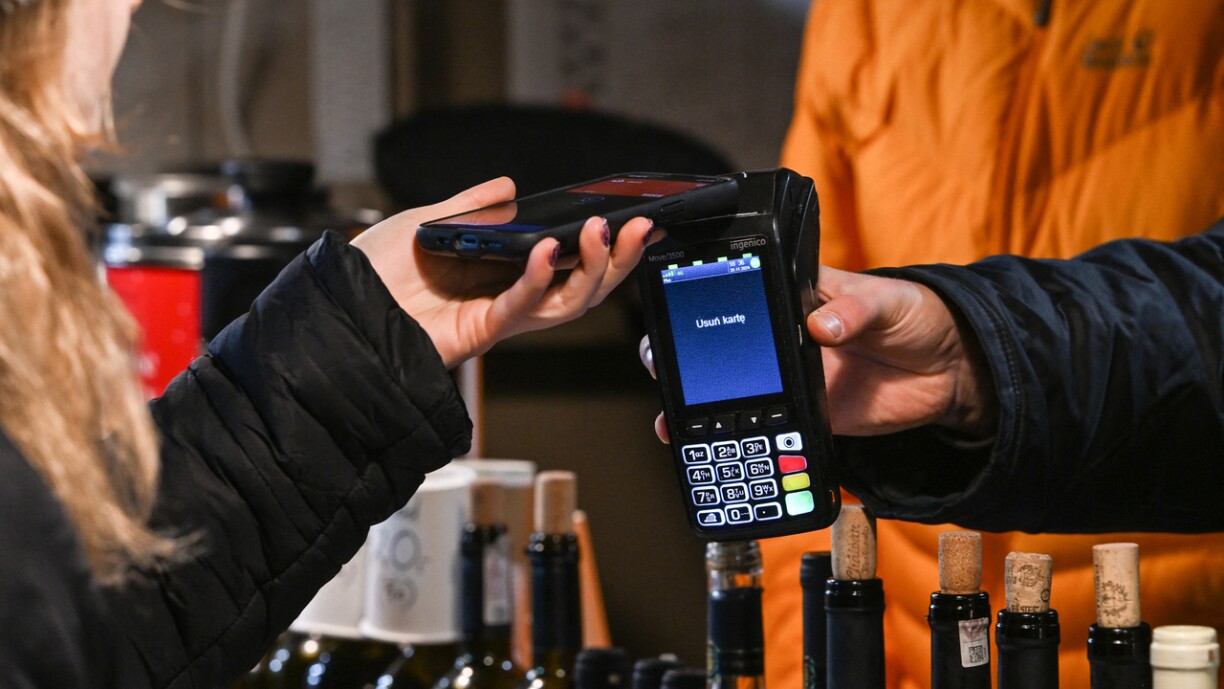
Beginning 9 October 2025, online bank transfers in Luxembourg will incorporate stricter security measures by linking account numbers to the names of their holders.
The move comes amid rising cyber threats, with 46% of European cyberattacks targeting banks. In Luxembourg alone, reported online fraud cases surged by over 20% in 2024 – a figure experts believe is even higher when accounting for unreported incidents.
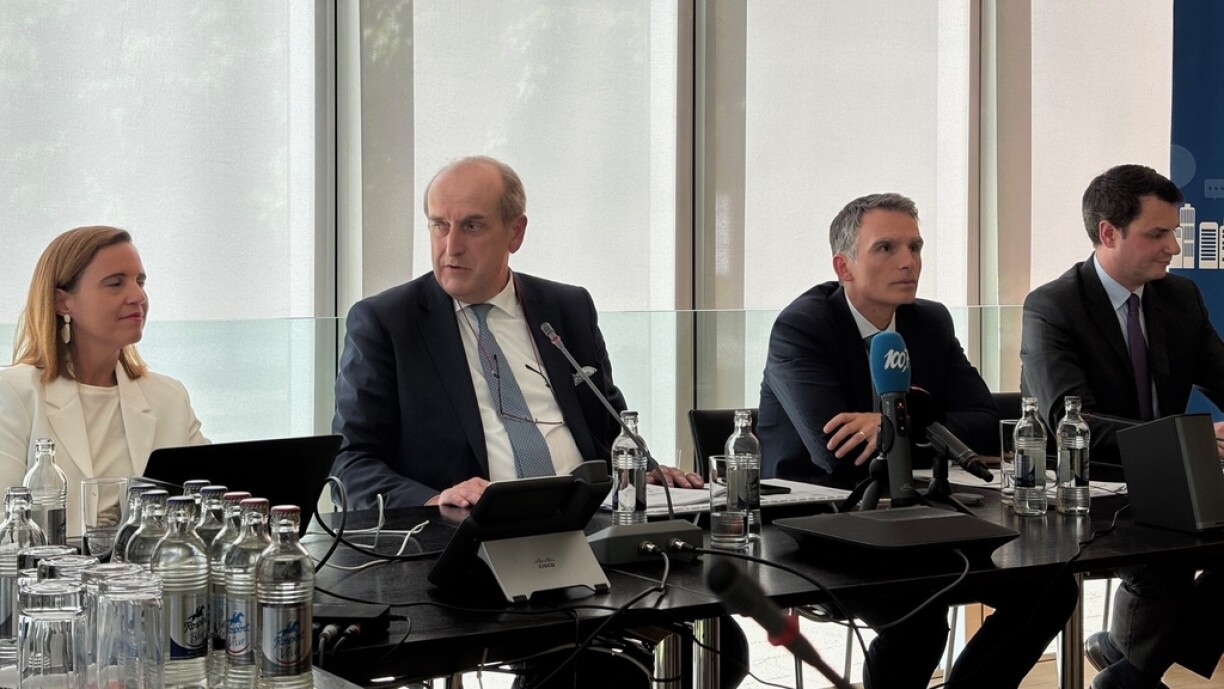
Ananda Kautz, Head of Innovations and Digital Affairs at the Luxembourg Bankers' Association (ABBL), explained that the measure will involve an automatic verification of the match between an IBAN number and the beneficiary's name before processing payments. This check must be completed within 10 seconds of initiating the transfer. While acknowledging implementation challenges, Kautz emphasised that the feature will help users quickly detect discrepancies, reducing fraud risks.
The system has already shown success in the Netherlands, where linking account numbers to names cut fraud cases by 75%. To prepare residents, the ABBL will launch an awareness campaign in the coming weeks, educating the public on common scams. Additionally, the organisation highlighted that the emergency number 49 10 10 – used to block lost or stolen bank cards – now also provides 24/7 support for fraud victims.
Kautz noted that outside branch hours, customers can immediately block their LUXTRUST certificate by calling the number, where trained agents can also offer guidance to fraud victims.
A late 2024 study revealed that half of all purchases in Luxembourg are now made with bank cards, showing a significant decline in cash usage. Luxembourg residents already use cash substantially less than the eurozone average. This shift has prompted banks to adapt their branch operations, including reducing on-site cash reserves and moving to appointment-based services.
Jerry Grbic, Director General of the ABBL, noted that while reduced cash handling has improved employee safety by decreasing robbery risks – which often cause psychological trauma even without physical violence – the primary driver for these changes has been shifting consumer preferences. As cash usage dropped dramatically, the costs of transporting and handling physical money became increasingly unsustainable, Grbic explained. This economic reality forced banks to reorganise their operations.
Another major change underway is the creation of a unified ATM network across Luxembourg's banks.
Grbic clarified that customers will notice minimal differences, possibly just new labels on machines. He stated that the initiative is fundamentally about improving operational efficiency.





