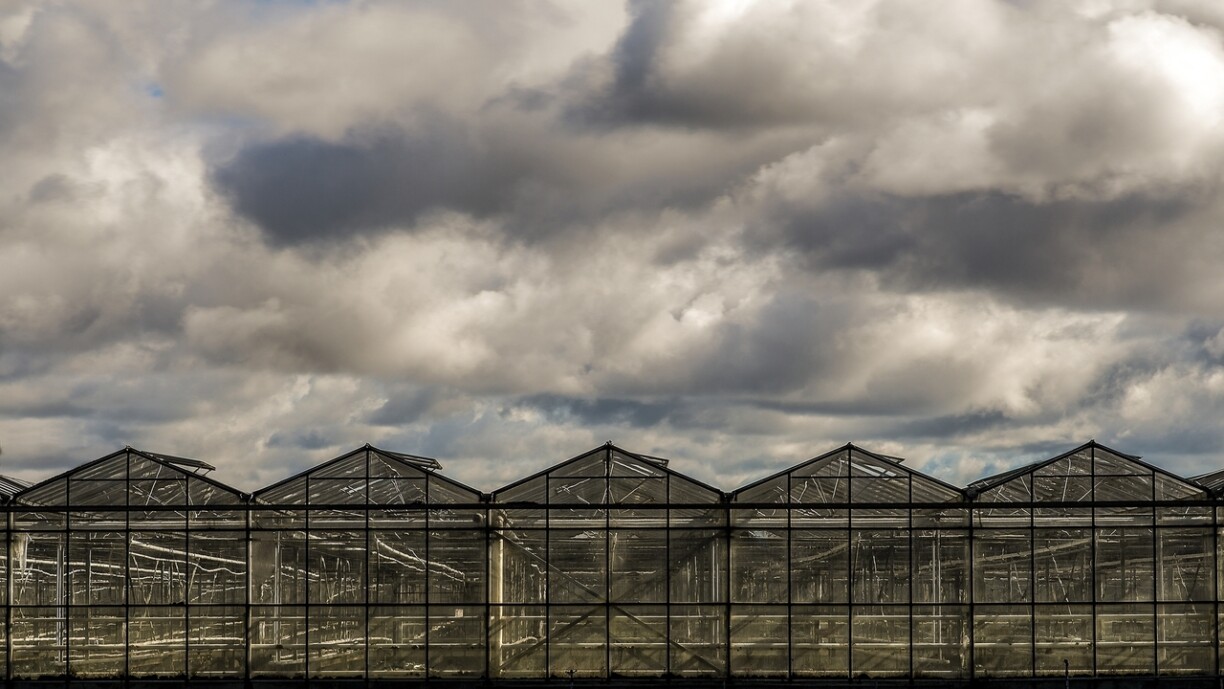
Legislation is currently being developed that would allow the construction of larger greenhouses and increase subsidies for local farmers. While the sector defends the proposal against criticism, it emphasises that the necessary conditions must be met for successful implementation.
New legislation would impact the lives of families like the Kirsch family, who have been cultivating vegetables for four generations and are among the few remaining professional vegetable farmers near Luxembourg City – if not the last.
Niki Kirsch, the head of the family business, views the proposed legislation currently under discussion as a positive development. The government has allocated €20 million to support projects with costs ranging from €1 million to €12 million. However, the environmental organisation Mouveco has raised concerns that this funding could primarily benefit agribusinesses rather than small-scale farmers.
Kirsch responded to Mouveco’s criticism, stating: "Absolutely not, absolutely not!" According to Kirsch, the legislation is specifically aimed at smaller-scale producers who cannot afford the high setup costs. He adds:
"If a large-scale company wanted to set up, they wouldn’t even need agricultural subsidies. They already have the money to do it without relying on this legislation."
Kirsch also emphasises the importance of lifting restrictions on greenhouse size, currently limited to 250 square metres, arguing that larger greenhouses would help reduce costs and create more opportunities for young people entering the industry. While graduates may have strong academic pathways, they often lack access to practical experience. Kirsch stresses that "graduates must absolutely gain practical experience by working on different farms to develop their knowledge beyond what they learn in school."
Certain vegetables, such as peppers and tomatoes, are difficult to grow in Luxembourg due to high winter production costs. However, many other types of vegetables could be cultivated, making it possible for up to 30% of the vegetables consumed in Luxembourg to be locally produced in the near future.
Concerns have been raised about the high water consumption associated with greenhouse farming, but Kirsch rejects this argument, explaining that "we have designed our greenhouses with drainage systems. All the rainwater flows underground into a 3,000-cubic-metre storage tank. Inside this tank, we have a powerful pump that recycles the collected water for irrigation."
However, he acknowledges that better advisory services are needed. For example, no expert was able to provide guidance on how much rainfall greenhouses collect in winter, which initially led to an undersized water reservoir that later had to be expanded.
Regarding organic produce, Kirsch is open to local organic farming but believes it is unrealistic to expect 100% organic production. Due to high costs, he sees the market for organic vegetables as limited.





