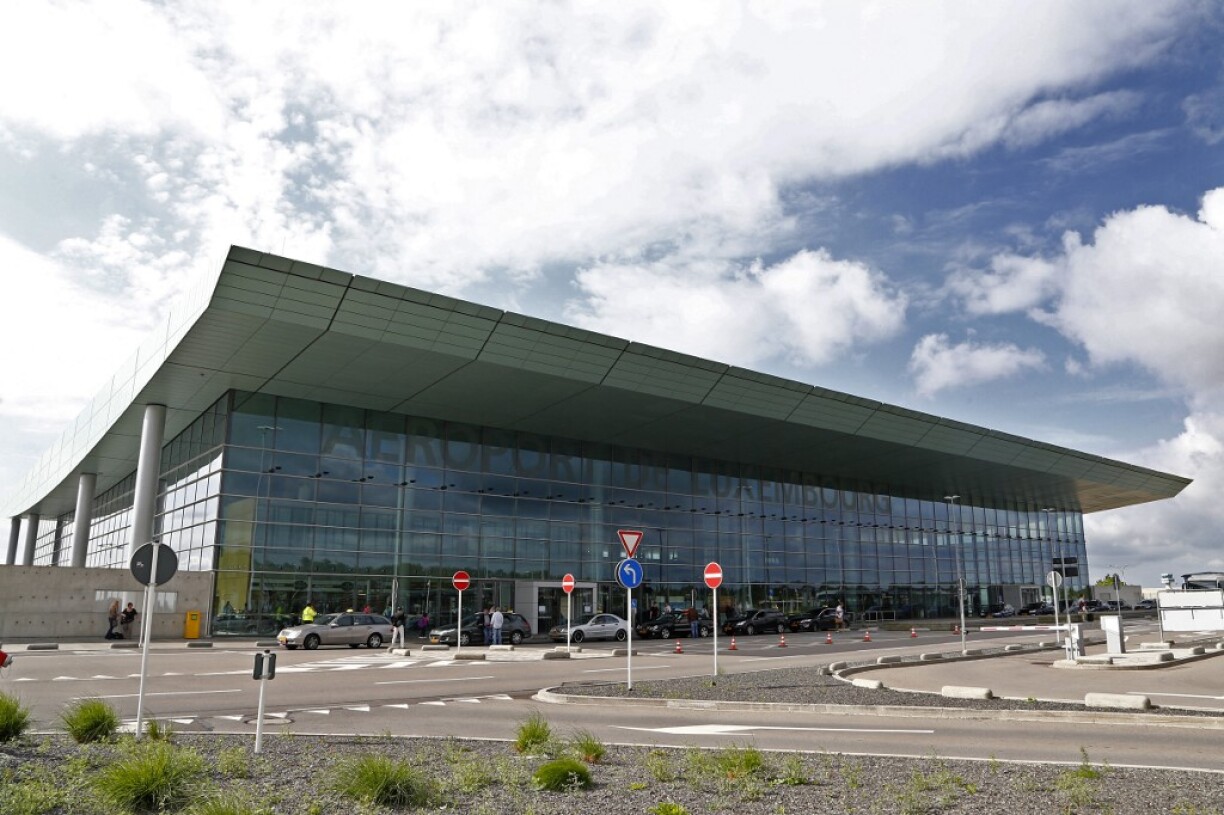
At the request of The Greens (déi gréng), the Chamber of Deputies held a debate on Tuesday on the long-term vision for Luxembourg Airport. While relocating the airport was not the formal subject of the debate, MPs examined the future development of its logistical capacity, strategic positioning, and investment priorities, against the backdrop of record passenger numbers and planned modernisation works.
Growth at Findel shows no signs of slowing: Last year, 5.3 million passengers travelled via Luxembourg Airport, and that record is expected to be broken again this year. Over the next six years, not only the passenger terminal but much of the site is set to undergo significant modernisation.
Luxembourg Airport is planning investments totalling around €1 billion, with only few areas of the airport to remain unchanged. The terminal will be expanded, as it is already reaching capacity during peak hours.
Inside, spaces will be reorganised, optimised, and modernised. Aircraft stands and taxiways will be refurbished. The cargo centre is also due to be expanded and automated, while a new fuel depot is planned. Additional buildings for catering and maintenance workshops are foreseen.
On the site where operations began in 1946, a new terminal for VIP and private aviation could be completed by 2029. These investments are intended to ensure that Luxembourg continues to play a central role in passenger and cargo transport within the Greater Region.
In his interpellation, MP Meris Šehović (Greens) argued that Luxembourg's strength does not lie in volume but in intelligent specialisation. In an increasingly interconnected European aviation network, he said the goal should not be to do everything independently but to position Luxembourg as part of a well-functioning system. Rather than imitating larger airports, he suggested, Luxembourg should clearly define its niche and focus on expanding the areas where Findel already excels, notably connectivity, cargo expertise, and flexibility, instead of engaging in direct competition with major hubs.
Šehović also raised the question of what will happen after 2032: whether further investment will continue at the current site, or, as hinted by the Minister of Mobility and Public Works Yuriko Backes, whether a new location will be considered.
Backes took a clear position, stating that by 2060, the Findel site where Luxembourg Airport is located would definitively reach its capacity limits. If Luxembourg wished to grow beyond that point, she said, the country would need a new airport. She added that such a discussion should be conducted openly and honestly, and that it was the responsibility of politicians to raise these long-term questions. However, she stressed that her immediate priority remains the substantial short- and medium-term investments already planned for the existing site.
Backes announced that a detailed master plan will be presented in April. Among the ideas being examined is the possibility of relocating private aviation to a new site, although she acknowledged that this would not be straightforward.
During the debate, there was broad support for investment in the current airport, with speakers underlining its strategic importance, including from a NATO perspective, while emphasising the need to strike a balance between economic development and sustainability.





