Here are five things you should know at the end of this week:


Defence Minister Yuriko Backes on Monday visited the Luxembourg Army HQ and stressed the need for military preparedness in response to European security threats.
Tradition and foresight – Luxembourg marked Saint Martin's Day at the Grand Duke Jean Barracks, a ceremony that serves as a meaningful tribute to the nation's military heritage. During the event, which honours the army's patron saint celebrated for his act of generosity in sharing his cloak with a man in need, chaplain Lieutenant-Colonel Nicolas Wenner emphasised solidarity as a guiding principle, especially in turbulent geopolitical times. Defence Minister Yuriko Backes stressed the importance of preparedness, underscoring the need for strong alliances and strategic defence investments, particularly given the shifting global landscape and the impending change in US administration. The ceremony was a blend of tradition and foresight, setting a tone for Luxembourg's evolving defence stance.
Resilience and readyness – Luxembourg is committing to its largest defence investment to date, with a historic €2.6 billion proposal submitted by Minister Backes. This significant funding, pending approval from the Chamber, is aimed at enhancing Luxembourg's military capabilities through the acquisition of advanced equipment, such as Jaguars, Griffons, and Servals, which are essential to modernising the army's arsenal. Backes stressed that these investments are not only necessary for national defence but also for Luxembourg's role within broader European security efforts. Her proposal highlights Luxembourg's intention to prioritise resilience and readiness against potential threats, including the evolving security risks posed by Russia.
Back to Kosovo – Reaffirming its commitment to international security cooperation, Luxembourg is set to reengage in key military alliances, with plans to return to the NATO-led Kosovo Force (KFOR) mission in 2025. The country initially withdrew from KFOR in 2016 but now views this re-entry as critical to its defence strategy and contributions to stability in the Balkans. Furthermore, Luxembourg will join the EU battle group, a rapid-response unit designed to address emerging crises efficiently, marking a proactive step in strengthening its collaborative role in European defence.

Luxembourg's housing tax breaks introduced in 2024, including credits and depreciation incentives, will not be extended into 2025, urging buyers to act before year-end, according to Housing Minister Claude Meisch.
The government aims to expand public housing and expedite projects by acquiring land and engaging landowners while streamlining administrative processes.
Meisch stated that while these 2024 measures have revived market confidence, developers must now balance financing and pricing without relying on further state support in 2025.
Support deadline – The Luxembourg government introduced various tax incentives in 2024 to stimulate the housing market, but these benefits will end on 31 December 2024 as confirmed by Housing Minister Claude Meisch. Among these incentives are an increased tax credit for notarial acts worth €40,000 for private buyers, a capital gains tax reduction from 20% to 10%, tax credits for rental investments, and a faster 6% depreciation rate. Minister Meisch is urging potential buyers and investors to finalise transactions before the year-end deadline, emphasising that there will be no extensions or similar measures for 2025.
New initiatives – Expanding the public housing stock is a top priority for the Luxembourg government as it seeks to address housing demand by purchasing land and private projects and encouraging landowners to develop, sell, or rent their properties. To achieve this, the government is actively exploring options, simplifying administrative procedures, and pursuing discussions with landowners to accelerate progress on new and existing projects. Meisch highlighted that draft bills supporting these initiatives are expected to reach the Chamber of Deputies soon, although the full impact of these changes may take years to be fully realised.
Sustaining momentum – While the government's 2024 measures helped bring stability and a renewed sense of confidence to the housing market, Meisch underlined that developers have a role to play in sustaining this momentum. He emphasised the need for developers to balance financing, household purchasing power, and the cost of new-build properties (VEFA) without state reliance, especially as interest rates have started to ease. The Minister acknowledged that the government had intervened to prevent a sector crisis but clarified that no new state measures would be introduced in 2025 to support over-leveraged investments or high-risk market choices.
Laurent Zeimet has resigned as President of the Caritas Special Parliamentary Committee, citing a potential conflict of interest due to his association with the law firm Schiltz & Schiltz.
CSV MP Stéphanie Weydert is expected to be nominated as the new committee president, with CSV MP Charel Weiler replacing Zeimet as a committee member.
The committee is investigating a €61-million fraud involving the charity organisation Caritas.
Conflict of interest – Just a month into his role as President of the Special Parliamentary Committee examining the Caritas scandal, Laurent Zeimet, an MP for the Christian Social People's Party (CSV), decided to step down due to potential conflicts of interest. His affiliation with the law firm Schiltz & Schiltz raised concerns that his involvement might compromise the integrity of the investigation.
Replacement pending – In the wake of Zeimet's resignation, the CSV has moved swiftly to ensure continuity within the committee. Sources suggest that Stéphanie Weydert, a fellow CSV MP, is expected to be nominated as the new president during the upcoming plenary session. Meanwhile, Charel Weiler, another CSV member, is anticipated to join the committee, replacing Zeimet.
Restoring public trust – The Special Parliamentary Committee was formed to investigate a major scandal involving Caritas, where €61 million in funds was allegedly misappropriated. The committee's role is crucial in uncovering the details behind the mismanagement and ensuring that those responsible are held accountable, with an emphasis on safeguarding the integrity of charitable organisations and restoring public trust.
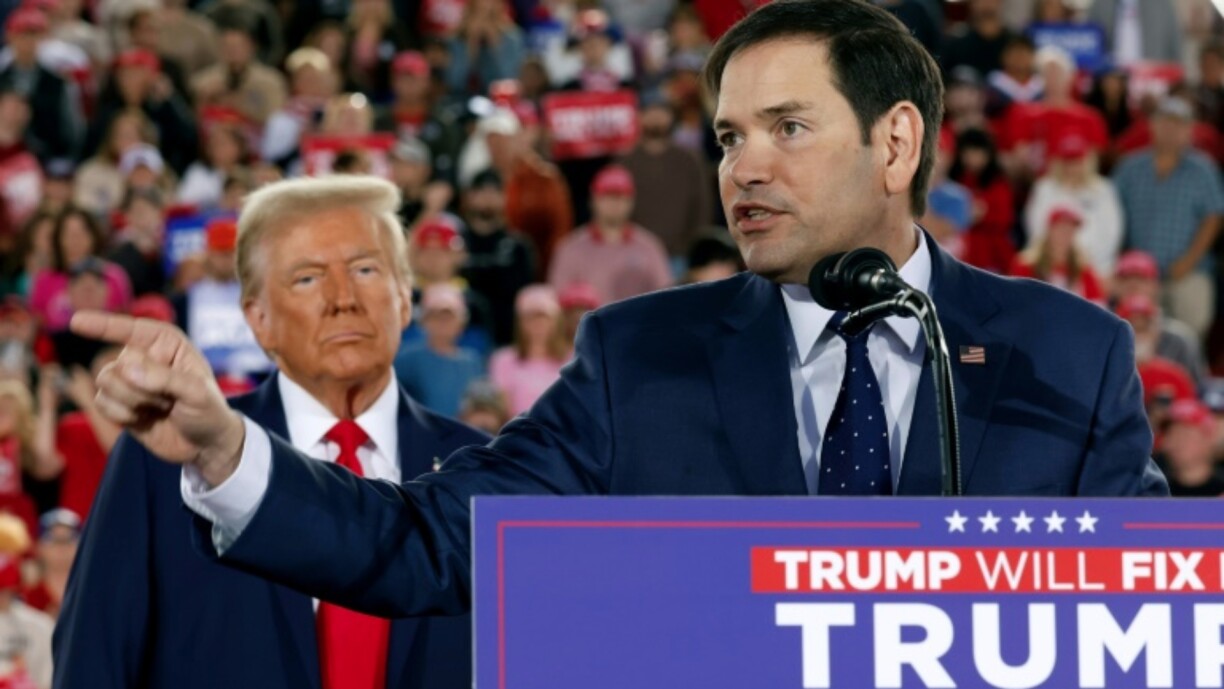
President-elect Donald Trump has appointed key loyalists and hardliners to his new administration, with Marco Rubio floated as secretary of state and Tom Homan as 'border czar', indicating a stringent stance on immigration and foreign policy.
Elon Musk, who supported Trump's campaign financially, is set to lead a newly formed government efficiency department, focusing on reducing federal waste and bureaucracy.
The appointments, particularly those of China hawks like Rubio and John Ratcliffe, signal a potentially more confrontational US policy toward China, especially regarding issues like Taiwan and trade.
America First – President-elect Donald Trump's latest appointments signal a shift toward stringent policies on both immigration and foreign relations. Marco Rubio, known for his staunch views on China, is being floated as secretary of state, while Tom Homan, a longtime advocate for strict immigration enforcement, will serve as 'border czar', tasked with overseeing a massive deportation effort. These choices indicate Trump's intent to prioritise an 'America First' agenda, limiting foreign entanglements and focusing on domestic security. Additionally, his choices reflect loyalty, as many appointees, including Congresswoman Elise Stefanik as UN Ambassador and Lee Zeldin for the Environmental Protection Agency, have openly supported Trump's policy initiatives and defended him in past controversies.
DOGE – Alongside traditional cabinet positions, Trump appointed Elon Musk to lead the new 'Department of Government Efficiency' – or DOGE for short – aimed at slashing federal waste and reforming government operations. Musk, who invested over $100 million in Trump's campaign, has promised to introduce transparent practices, including an online 'leaderboard' of unnecessary government expenditures, as part of this initiative. This appointment aligns with Trump's goal to minimise bureaucratic hurdles and cater to a business-friendly government.
Tensions with China – Trump's picks of Rubio as state secretary and John Ratcliffe as CIA head suggest a more confrontational US approach to China. Rubio, who has been outspoken on China's human rights abuses and is under sanctions from Beijing, represents a robust pro-Taiwan stance, likely fostering closer ties with Taipei and pressuring Beijing. Ratcliffe's scepticism about China's role in the COVID-19 pandemic and his advocacy for increased military support to allies in Asia further signal a hardened US policy. The administration's alignment with 'China hawks' could limit diplomatic channels between Washington and Beijing, as Trump pursues policies targeting Chinese economic practices and influence.
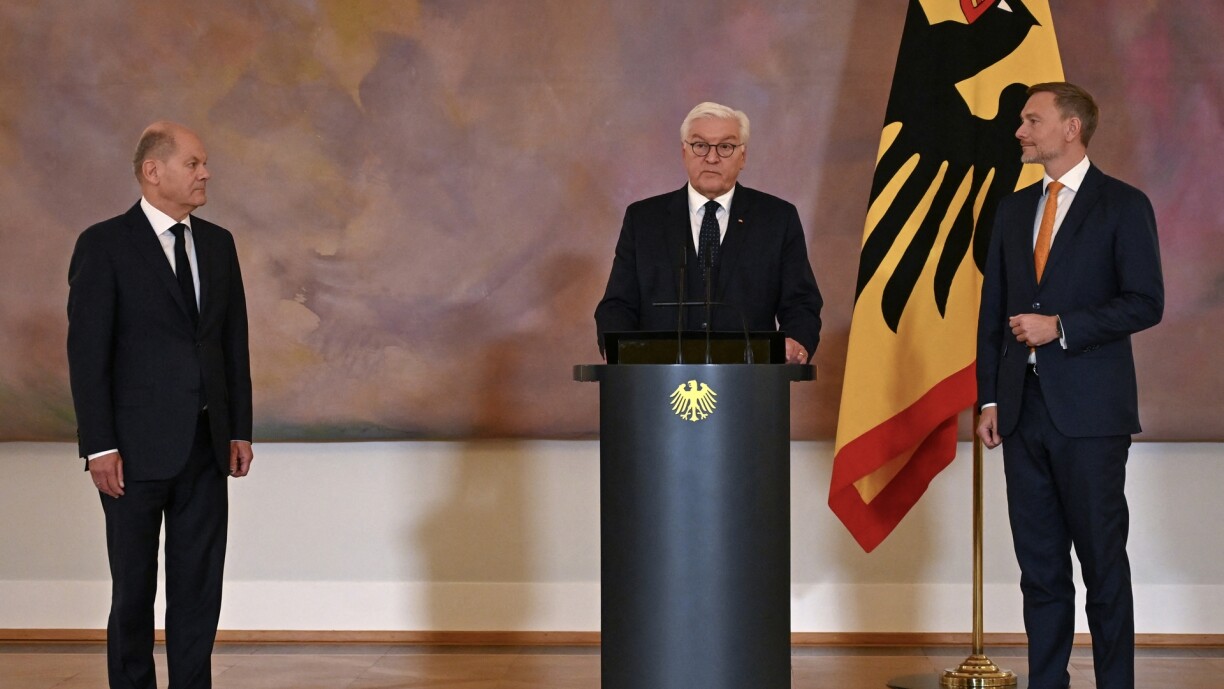
Germany's major political parties have agreed to hold snap elections on 23 February, following the collapse of Chancellor Olaf Scholz' coalition due to economic disagreements and the departure of the Free Democrats.
In a heated parliamentary session, Scholz defended his government's record, while opposition leader Friedrich Merz criticised his leadership and promised a "stable and effective government" if elected.
As Germany faces economic struggles, Scholz pledged continued support for Ukraine, while Merz vowed to prioritise national economic competitiveness and stricter immigration policies.
Snap election agreement – Germany's Social Democrats (SPD), led by Chancellor Olaf Scholz, along with the opposition Christian Democratic Union/Christian Social Union (CDU/CSU) alliance, have agreed on a timetable to hold early general elections on 23 February. This decision comes as Germany grapples with a political crisis following the collapse of Scholz' three-way coalition, which included the SPD, Greens, and Free Democrats (FDP). The FDP's withdrawal came after prolonged disagreements over economic and fiscal policies, particularly around budget constraints and spending priorities, forcing the remaining coalition into a minority government.
Parliamentary tensions – Chancellor Scholz, facing fierce criticism in parliament after his coalition's breakup, defended his government's record and expressed regret that efforts to maintain a stable coalition had ultimately failed. During the session, opposition leader Friedrich Merz, whose CDU/CSU alliance currently leads in the polls, ridiculed Scholz' performance, labelling his tenure a "failed government" and deriding his handling of international crises. Merz, who is pushing for a faster transition to new leadership, criticised Scholz' approach as ineffective and lacking authority, specifically highlighting Scholz' perceived weak stance in engaging with key allies, including the United States. Merz has advocated for a more assertive style, promising a conservative-led government that would bring "stability and effectiveness" to the administration, a message aimed at rallying support from voters weary of political instability.
Ukraine support – With Germany's economy in a downturn and challenges mounting, Scholz assured that his government remains committed to supporting Ukraine in its ongoing war with Russia, despite the budgetary strains at home. However, he emphasised that aid spending should not come at the expense of domestic welfare, such as pensions and healthcare, appealing to social cohesion during these tough times. In contrast, Merz criticised Scholz' economic policies, arguing that the country's competitiveness has suffered due to poor governance and structural issues. He proposed a shift toward stricter immigration controls and emphasised the need for policies that could revitalise Germany's manufacturing sector and global economic standing.
Business & Tech – The EU fined online giant Meta almost €800 million on Thursday for breaching antitrust rules by giving users of its Facebook social network automatic access to classified ads service Facebook Marketplace.
Science & Environment – The percentage of adults suffering from diabetes across the world has doubled over the past three decades, the biggest rises coming in developing countries, a study said Wednesday.
Entertainment – Hidden for centuries, vibrant 17th-century frescoes depicting cherubs and noble symbols have been uncovered behind a false ceiling at Rome's historic Villa Farnesina, discovered by an electrician during routine maintenance.
Religion – While the Belgian Prime Minister sharply condemned Pope Francis' misogynistic and anti-abortion comments during his visit to Belgium, the Luxembourg government stated that it is not their place to respond to statements made by the Pontiff.
Security – The government's proposed 2025 budget sets aside nearly €2.8 billion for the Ministry of the Interior, marking a substantial investment in policing and security.
Support and assistance – As part of its ongoing mission to provide support to those in need, SOS Détresse is calling on volunteers to join its team and assist with phone, email, and chat-based services.

Your Weekly Recap is published every Friday at noon. Read earlier versions.





